The disconnect between spectacle and reality
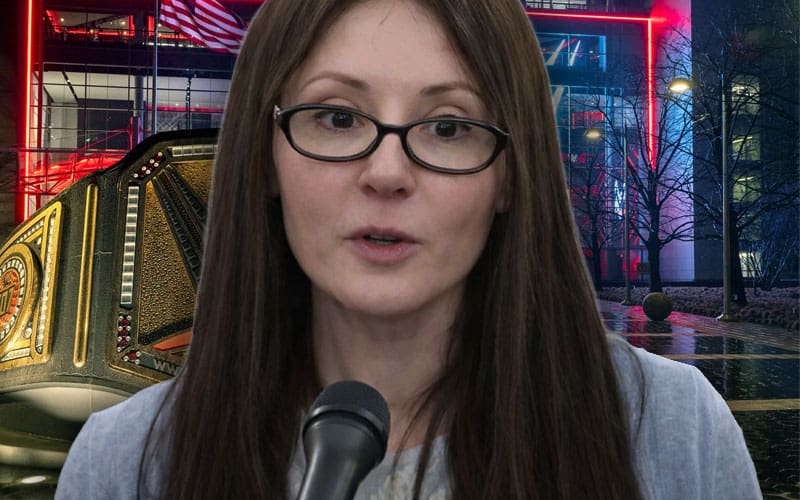
With recent court filings surfacing, the atmosphere heading into WrestleMania 41 is cold. Fans want to talk about in-ring booking and the card depth, but the industry is fixated on the Janel Grant lawsuit. These documents contain harrowing claims, including allegations that McMahon told Grant he informed Nick Khan and Brad Blum of their relationship.
It is difficult to reconcile the massive production scales expected for April 19 and 20 with the toxicity detailed in these latest legal declarations. The filings describe an environment where employees were reportedly instructed to remain silent and avoid contact with risk management executives. When a company functions under the weight of such systemic institutional failures, the gloss of a stadium show inevitably feels thinner.
Missing the mark on corporate accountability
The most jarring aspect of the recent news cycle is the alleged internal management of these issues. Reports indicate that McMahon maintained access to legal resources designed to make specific problems disappear. The claim that Grant was advised not to speak with a WWE risk executive who retired shortly before the lawsuit broke is a massive red flag. It suggests a culture that prioritized shielding leadership over addressing misconduct.
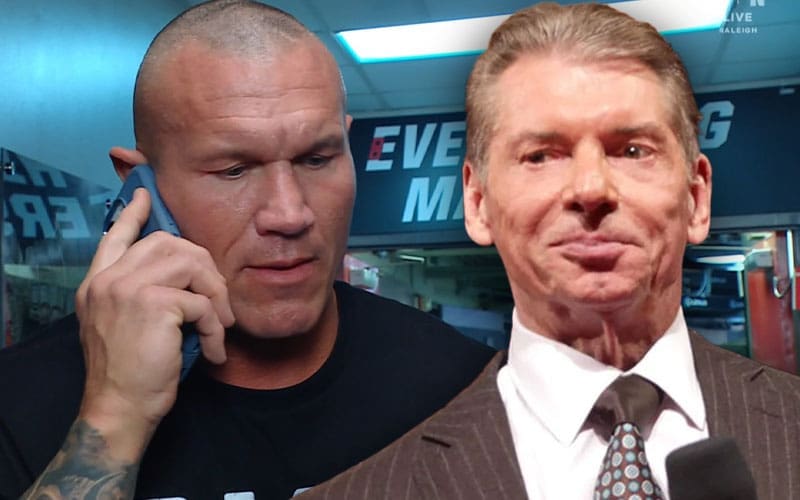
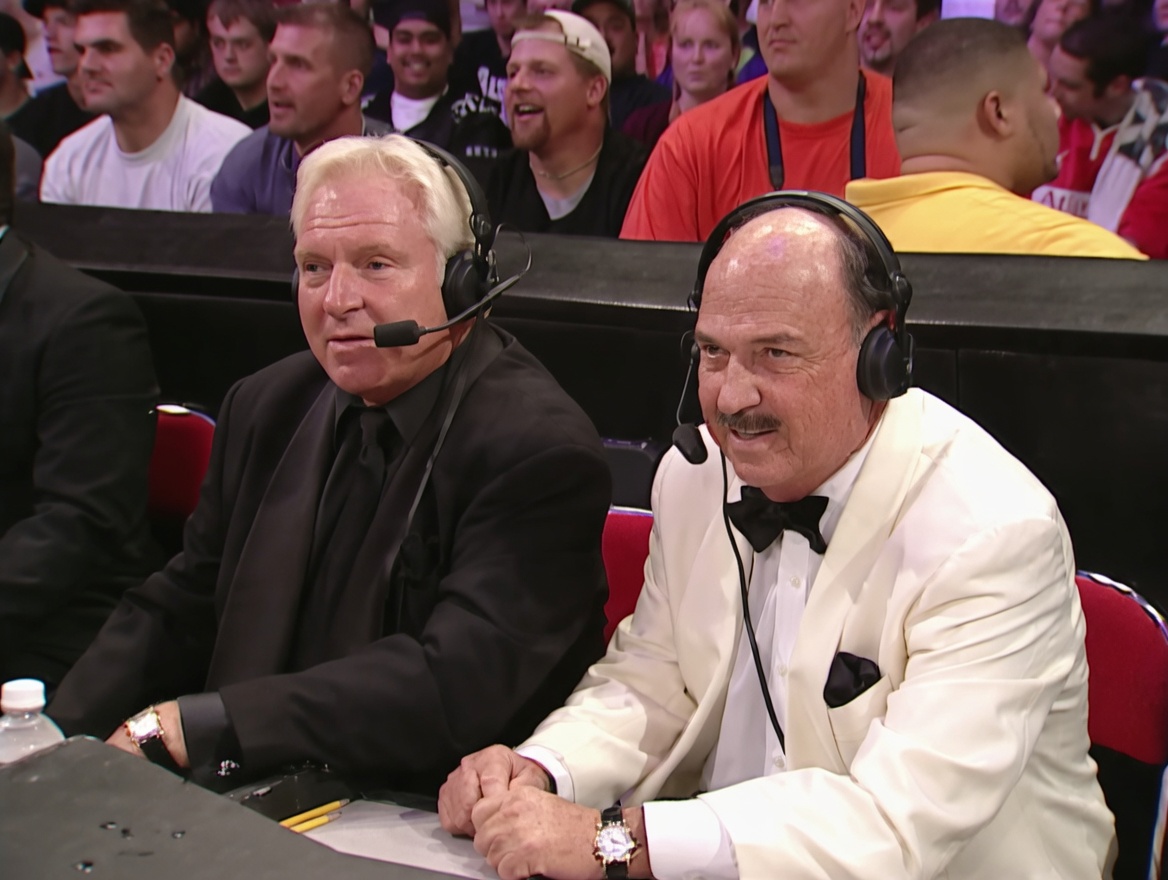
Comparing this to the legacy of events like WrestleMania X-Seven—where the talk of the afterparty was Bobby Heenan chasing Vince McMahon for a return—reveals a stark shift. We used to analyze these events through the lens of pure wrestling history. Now, every creative choice is filtered through a legal nightmare that shows no signs of resolution before the opening bell. The sport deserves better than a constant cycle of damage control.
The wrestling continues despite the noise
Amidst the litigation, talent persists in trying to carve out their own narratives. Drew McIntyre has gone on record stating he would love a match against Nick Aldis. It is a compelling technical matchup that offers a departure from the current high-stakes drama. Whether or not that gets booked, the desire for pure in-ring competition remains a pivot point for a roster that is clearly fatigued by the front-office chaos.
What to watch for at the arena
- Watch how the crowd interacts with the corporate branding during the broadcast.
- Listen for any mention of institutional reform, which has been largely absent from official WWE communications.
- Observe whether any talent addresses the atmosphere directly or keeps the separation between their character work and the corporate reality.
My final take: The in-ring product at WrestleMania 41 will likely be high-quality, but it will be haunted. WrestleMania is built on the promise of 80,000 plus fans leaving with a sense of wonder. This year, the reality is that the most important stories are happening in a courtroom, not under the lights of the ring. I predict the show misses its emotional ceiling because it fails to address the rot underneath its own foundation.