The absurdity of McMahon-era creative decisions
Every once in a while, a story leaks from the bowels of the former WWE creative offices that reminds us exactly why the industry feels different these days. We aren't talking about major title shifts or long-term storytelling arcs. We are talking about the sheer, unadulterated vanity of a billionaire using live television to settle personal scores or test his own sanity.
Take the legend of the Survivor Series booking that left everyone scratching their head. According to reports, Vince McMahon once engineered a complete sweep for the Raw brand just to spite Road Dogg. Imagine being a talent grinding for months, only to realize the outcome of your match was determined by whether or not the boss felt like annoying a specific writer that afternoon.
Missing the point in plain sight
Then we have the sheer madness of the mid-card experiments that turned into fever dreams. We all remember the Reggie character, later known as Scrypts, who brought genuine technical athleticism to the ring. It turns out, that athletic potential was almost entirely consumed by a detached sense of irony. Vince McMahon seriously considered inserting Scrypts into a women's world title main event at WrestleMania.
Think about the structural integrity of that decision. You have a massive stage, a high-stakes championship, and a promoter looking at the card who decides the best way to spice it up is to throw a curveball that would have completely derailed the actual story. It is the hallmark of a man who stopped watching wrestling to entertain the audience and started watching it to entertain himself.
The architect of the cringe
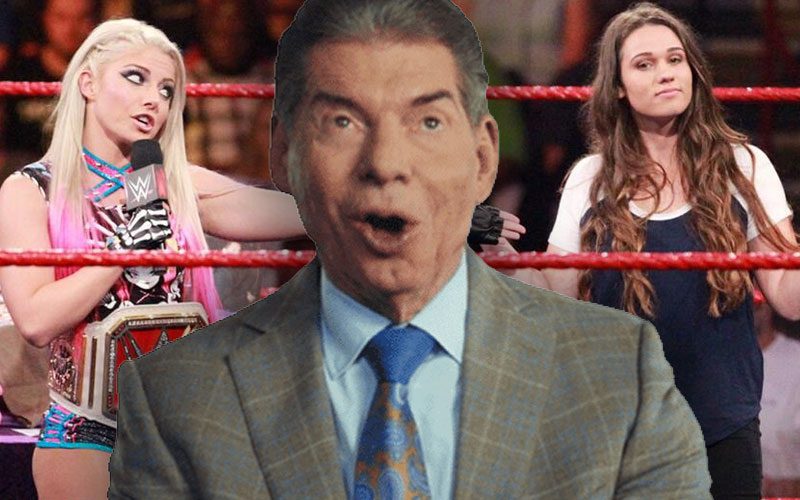
If you need proof that he was obsessed with the minute details only he cared about, look at the infamous Alexa Bliss and Bayley segment. This was the 'This Is Your Life' nightmare that saw the crowd sitting in stunned, agonizing silence. It turns out, Vince McMahon was down there personally directing the extras, clearly believing he was crafting gold while the home audience was frantically looking for the remote to change the channel.
That segment remains a perfect case study in how to alienate a crowd in real-time. Directing extras for a bit that was doomed from the first pitch shows exactly why the creative process felt so stifled for so long. When the guy at the top is more interested in how a background actor holds a microphone than in the actual reactions of 15,000 people in the arena, you get a product that feels disconnected from gravity.
The takeaway for the modern era
This is the toxic legacy of a man who viewed the audience as a captive market rather than a group to be pleased. Booking a show to win a petty argument with a subordinate is the height of professional insecurity. It tells the fans that their time is secondary to the ego of the person holding the pen.
- Petty spite booking makes for confusing TV.
- Forcing gimmick matches into main events ignores the division's needs.
- Micromanaging extras steals time away from essential character development.
The total win-loss record of that Survivor Series might look like a footnote in a database today, but it represents the structural failure of a system designed around one man's impulses. We are lucky we live in an era where the focus has shifted back to the actual wrestling product. Watching someone burn down their own house just to see if they can hold the match is an expensive hobby for a billionaire, but for the fans, it was 3 hours of our lives we never got back.