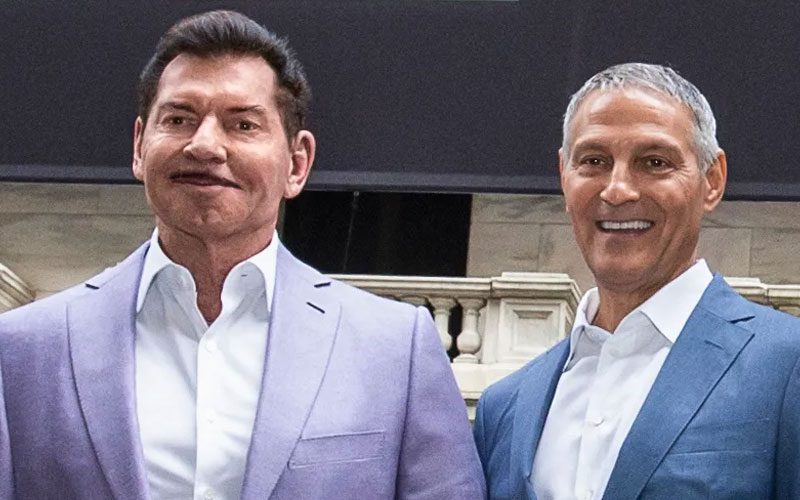
Vince McMahon allegations shift focus toward executive oversight
The legal burden hits the top floor
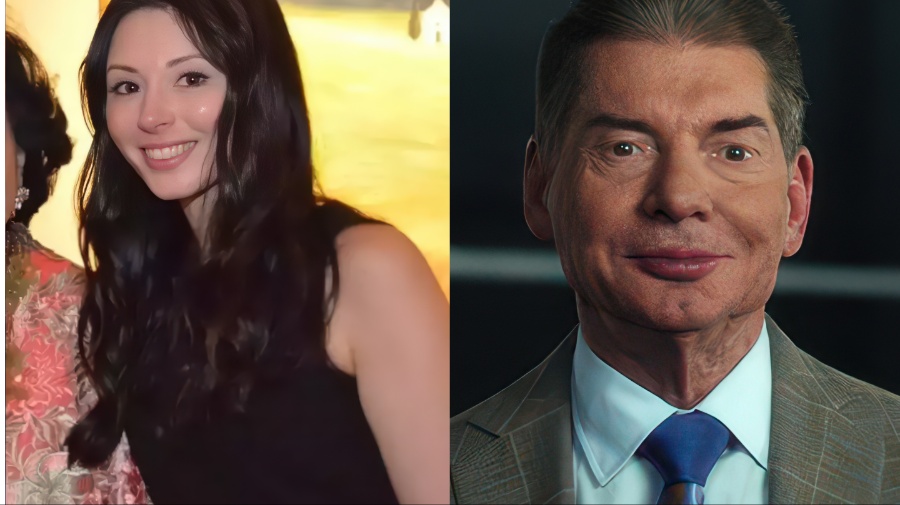
Janel Grant’s latest court filing has pushed the conversation beyond individual actions and directly into the executive suites of professional wrestling. The documentation asserts that Vince McMahon informed Nick Khan and Brad Blum of a relationship with Grant, a detail that shifts the narrative from isolated misconduct to a conversation about governance and transparency.
This is not a matter of ringside booking or who holds the belt in May. It is a fundamental audit of the power structures that allowed these decisions to persist unchecked for years. When executives reach that level, they are not just managing talents; they are managing risk, and the failure here appears to be near total.
The cost of executive silence
Legal discovery is a slow process, but we are seeing the patterns emerge. As recent court filings indicate, the proximity of key decision-makers to these claims implies a catastrophic breakdown in internal controls. The industry has long operated under the guise of an insular fiefdom, but this approach is failing.
The current leadership is forced to reconcile these revelations with the massive growth projects they have prioritized. Professional wrestling has spent decades shielding its inner workings from the scrutiny applied to traditional sports franchises. That protection is effectively dead once matters enter the federal court system.
Analyzing the structural rot
The documentation provided by Grant includes specific, disturbing claims about McMahon's internal disclosures. If true, the realization that subordinates were allegedly aware of this personal arrangement yet failed to intervene points to a compromised workplace. This is where the professional analysis of the business diverges from the ring work.
We can look at the reported allegations and see the obvious cracks in the facade. When a company relies on a singular personality to drive its valuation, it creates a blind spot that standard compliance programs cannot fix. The oversight was insufficient to prevent this, and now shareholders and the public are left with the fallout.
One negative reality remains constant: the inability of the organization to maintain basic ethical standards during this era. This isn't just about bad booking or slow television segments; it is about human failure on a corporate scale. Wrestlers sell their bodies and their time, but they shouldn't have to sell an environment of safety that doesn't exist.
What happens when the court calls
Expect the discovery process to yield more internal emails and communications over the coming months. If McMahon told Khan and Blum exactly what the filing alleges, the defense strategy shifts from distancing to damage control. They are no longer observers; they are witnesses to a systemic failure.
Fans often focus on the product, but the business side is currently a house of cards. The total impact of these proceedings on the company’s valuation is impossible to forecast, but the reputational damage is already high. In previous eras, this news would have been buried by the sheer volume of output, but in the current age, these court documents are the most important stories being written about this sport.
We are watching the end of an era defined by unchecked power. Whether this leads to genuine reform or simply the installation of a quieter, more careful guard remains the central question. Wrestling will likely survive, but the institutional trust is gone.
Hitman: My Real Life in the Cartoon World of Wrestling
The brutally honest, definitive story from the best there is.
Frequently Asked Questions
What specifically did Janel Grant's court filing reveal about Vince McMahon?
How do the recent court filings criticize executive oversight?
Why does the author argue that the current corporate structure is failing?
What is the potential impact of the ongoing legal discovery process?
How is the industry's approach to internal operations changing?
More Coverage

Drew McIntyre sidelined following brutal SmackDown encounter
2 hours agoWWE's New York gamble is a calculated risk ahead of WrestleMania 42
3 hours ago
WWE's Saturday Night's Main Event math doesn't add up
3 hours agoWWE's return to New York changes the math on stadium attendance
3 hours ago
Top 10: Top Moments from MSG
3 hours ago
SmackDown is drifting into mid-summer malaise
4 hours agoMore Analysis
Janel Grant just dropped a legal hand grenade on WWE corporate
1 month, 1 week agoJanel Grant's legal filings reveal the cold math behind WWE corporate control
1 month, 1 week ago
WWE faces a tactical nightmare as the Vince McMahon legal walls close in
2 weeks, 1 day ago
WWE faces an uncomfortable reality as the Janel Grant lawsuit looms
3 months, 2 weeks ago
Vince McMahon's legal drama keeps getting messier
5 days, 17 hours ago