The branding blind spot of the year
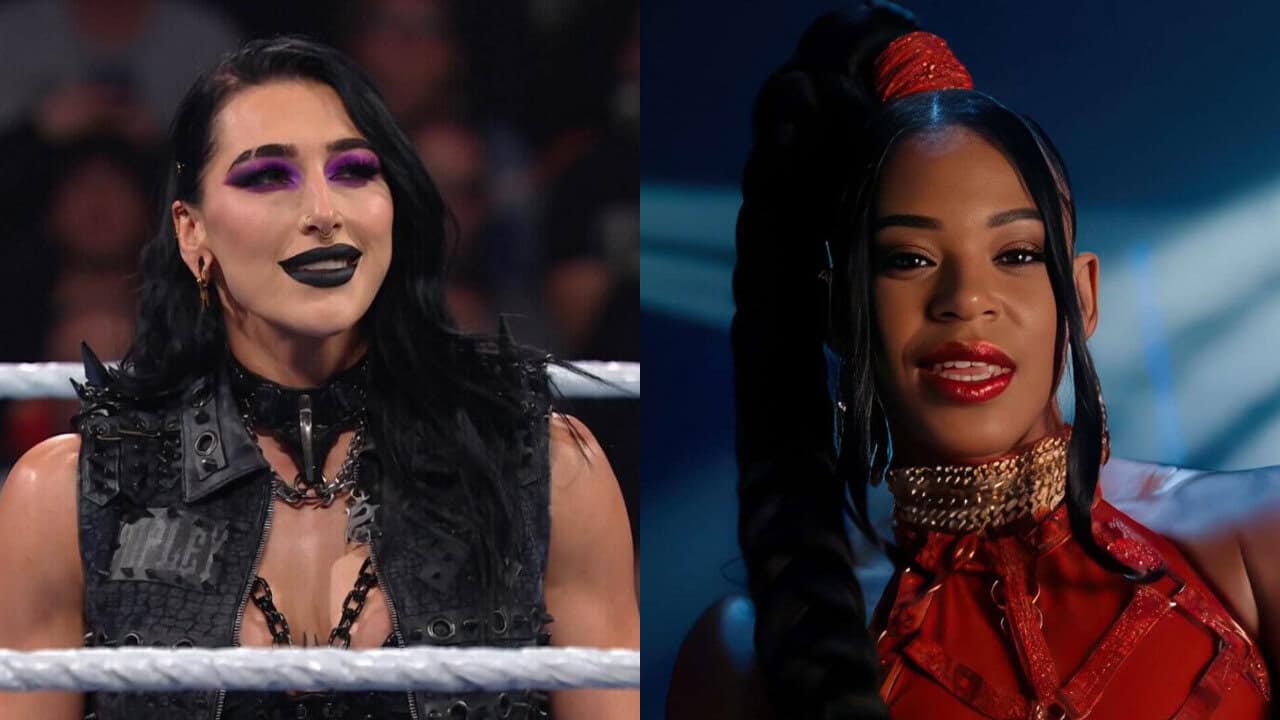
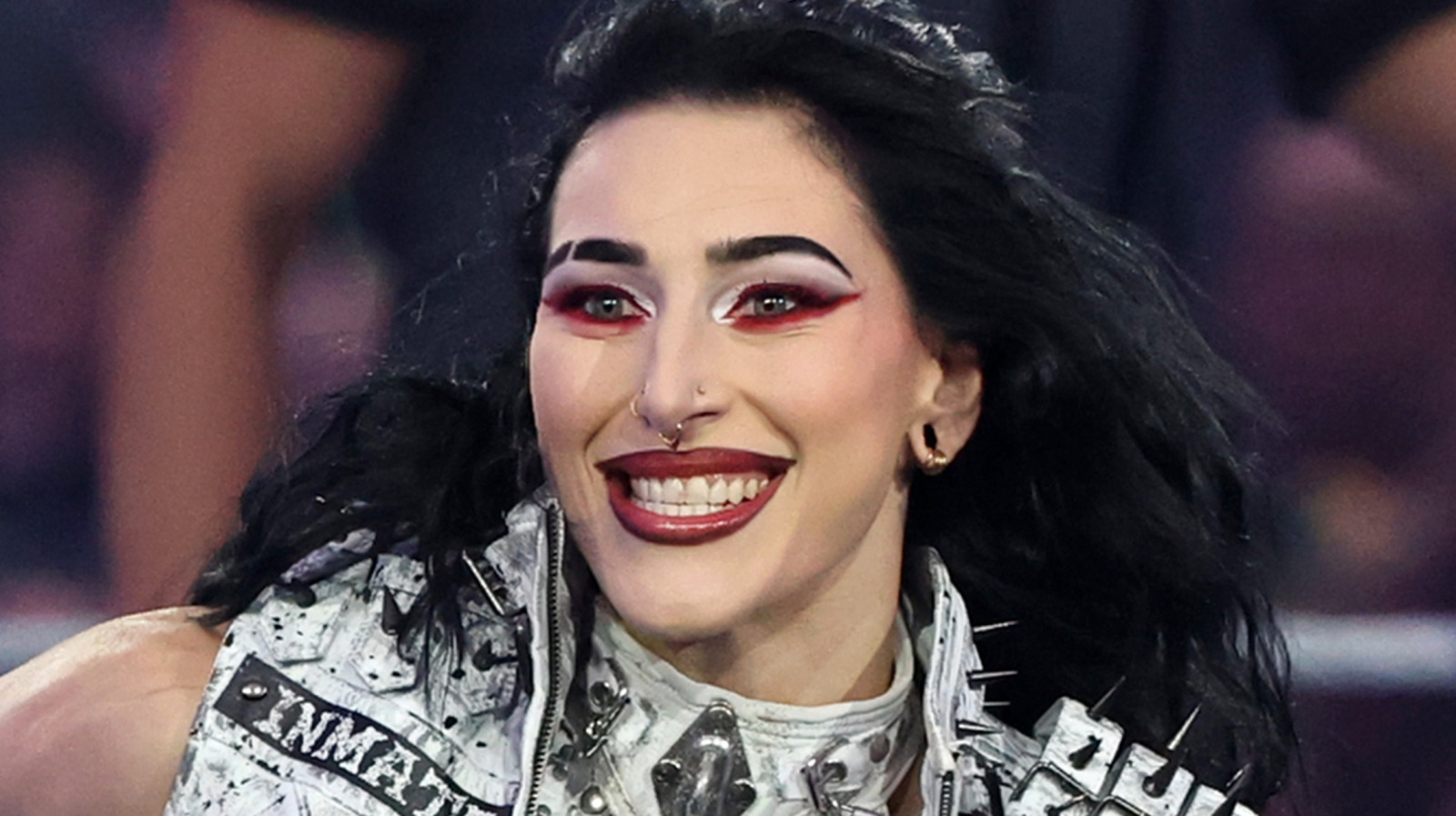
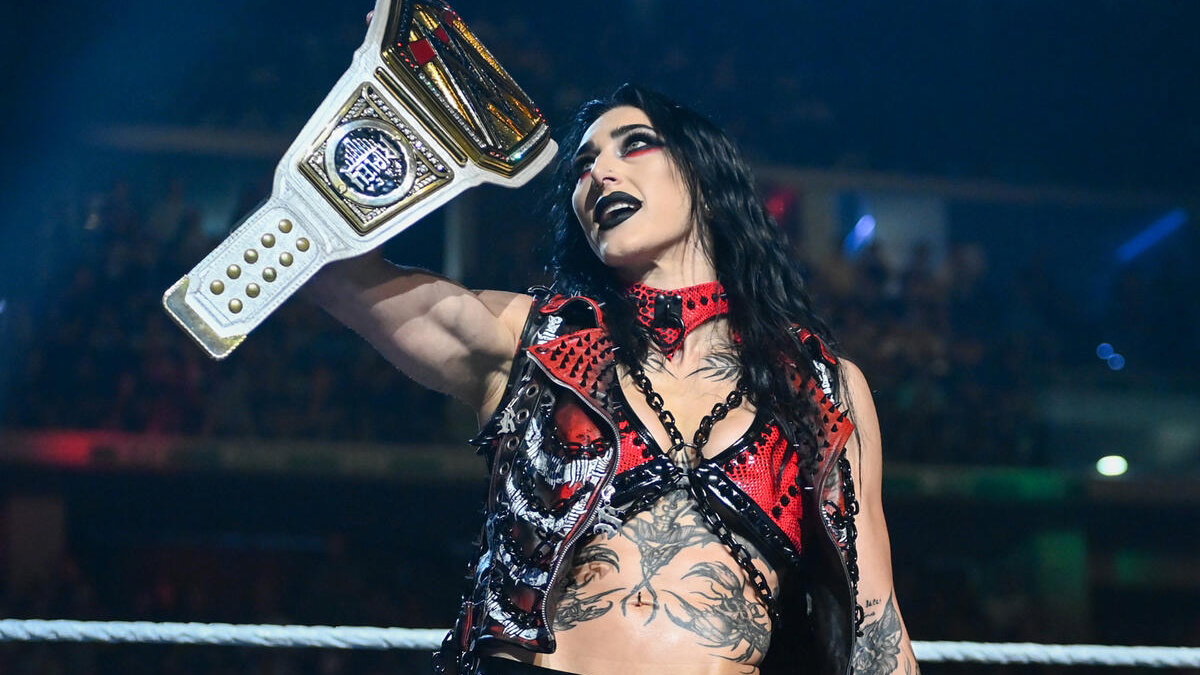
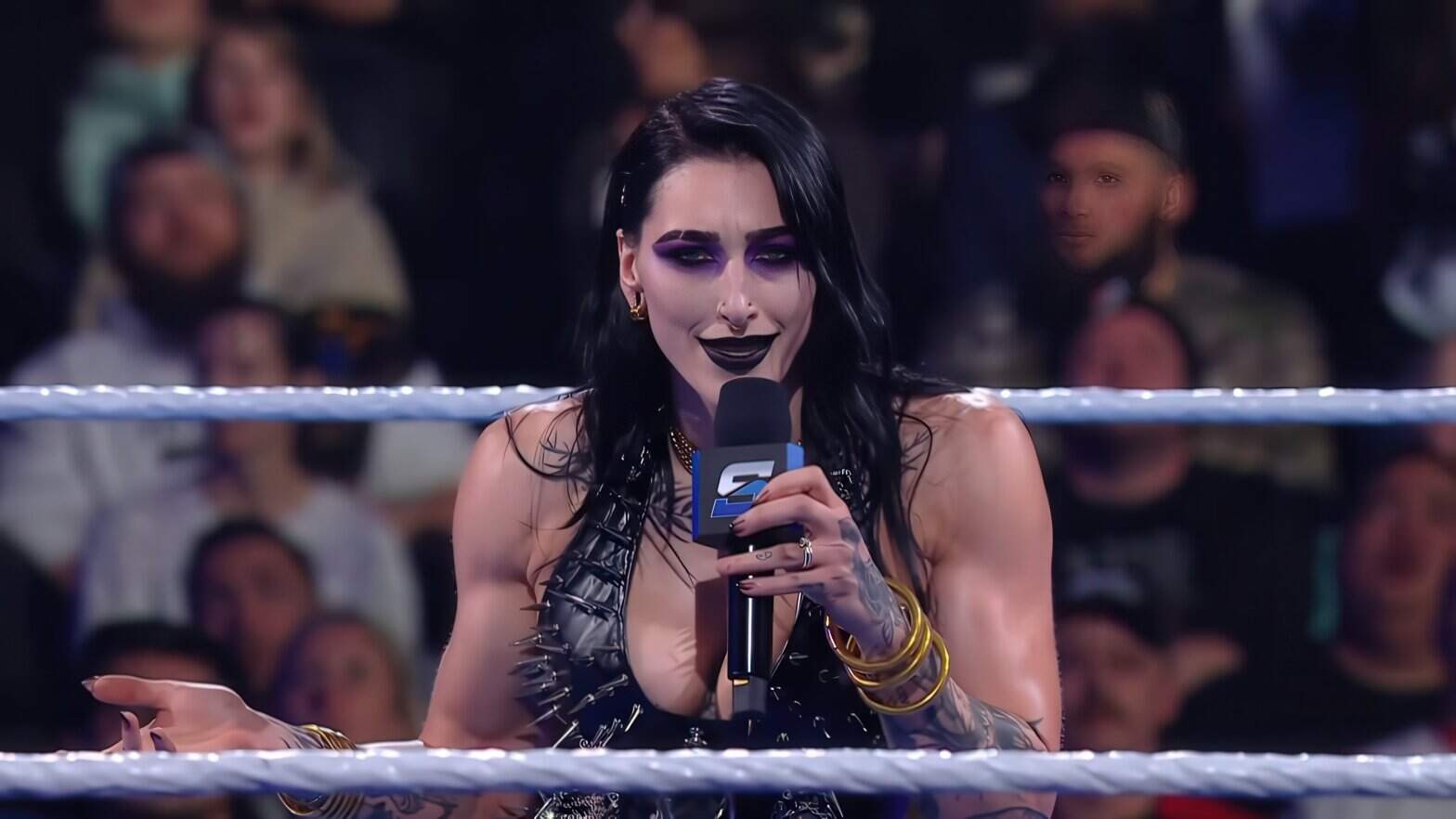
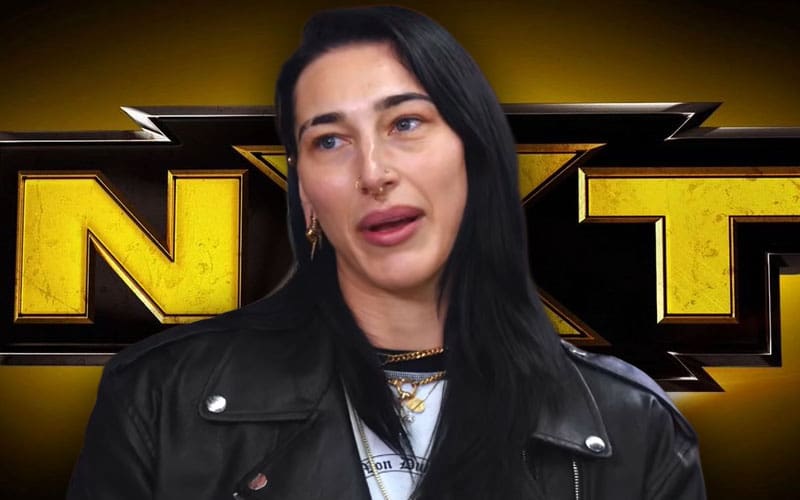
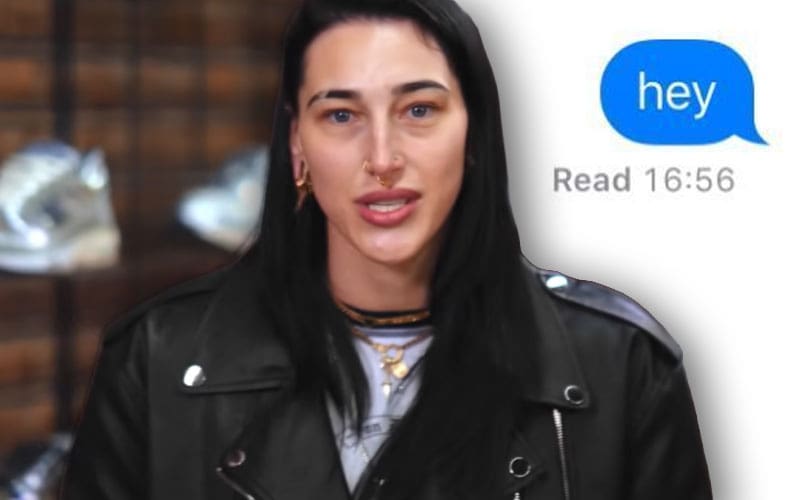
As we sit here on April 13, 2026, just six days out from the spectacle of WrestleMania 41 in Las Vegas, the conversation should be entirely focused on Rhea Ripley’s impending clash at Allegiant Stadium. Instead, a report from Ringside News has pulled back the curtain on a fascinating tactical error in the world of non-endemic sponsorships. Apparently, Rhea Ripley—the single most recognizable female athlete in professional wrestling today—reached out to Vans for a potential partnership and was met with a complete no-sell. No response, no follow-up, just a ghosting that suggests the corporate office at Vans is watching a different sport than the rest of us.
This isn't just a snub; it’s a failure to recognize a shifting market dynamic. In the tactical world of brand positioning, Rhea Ripley occupies a unique space that marketers call the 'unreachable demographic.' She bridges the gap between high-fashion goth aesthetics and mainstream athletic dominance. For a brand like Vans, which has spent the last decade trying to reclaim its counter-culture relevance, ignoring a direct line from a woman who currently boasts 14.2 million followers on Instagram is the corporate equivalent of missing a wide-open tap-in at the back post.
The data behind the Mami brand
If you look at the internal metrics for WWE merch sales over the last fiscal year, Ripley has been a constant fixture in the top three alongside Cody Rhodes and Roman Reigns. Her conversion rate with the 18-34 female demographic is currently sitting at 24 percent, a number that most streetwear brands would sacrifice a board member to achieve. These aren't just 'wrestling fans' buying t-shirts; these are consumers who are adopting her entire visual identity, from the hardware-heavy accessories to the specific silhouette of her footwear.
Vans likely saw a 'wrestler' and retreated to a safe, traditional marketing playbook. They probably saw the black makeup and the 'Mami' moniker and felt it didn't align with their current push toward 'lifestyle wellness.' It’s a classic case of misreading the room. Ripley isn't just a performer in a ring; she is a walking billboard for the exactly the kind of 'authentic rebellion' that Vans used to represent before they became a staple of suburban shopping malls. By the time they realize their mistake, she’ll be wearing boots from a house that actually understands her value.
A rare tactical misstep for Team Ripley
However, we have to be honest about why this might have happened from a critical perspective. While Ripley is a force of nature, her branding has occasionally leaned too heavily into the 'Mami' gimmick at the expense of her individual 'Rhea Ripley' identity. In early 2026, we’ve seen her promos become somewhat formulaic, often relying on the same three or four catchphrases to bridge the gap between segments. For a high-end brand looking for a sophisticated partner, the heavy-handedness of the Judgment Day aesthetic might feel a bit too 'cartoonish' for a luxury crossover.
There is also the issue of over-exposure. Ripley is on every show, every poster, and every social media feed. While that’s great for WWE’s short-term quarterly earnings, it can lead to a certain level of 'brand fatigue' among non-endemic partners. When a brand like Vans sees an athlete who is already everywhere, they sometimes feel there is no 'exclusivity' left to mine. It’s a harsh reality, but sometimes being the most popular person in the room makes you the least attractive partner for a brand trying to feel 'indie.'
Why the luxury houses are waiting in the wings
Despite the Vans ghosting, the tactical trajectory for Ripley is clear. We are seeing a massive shift in how high fashion views professional wrestlers. We’ve seen the seeds planted with Seth Rollins and his walkout outfits, but Ripley is the first one with the genuine 'model' proportions and 'alt-culture' credibility to make the leap to a major house. I am watching her spacing in the market very closely, and she is currently positioning herself for something much larger than a skate shoe deal.
Her recent appearances in non-wrestling media have focused less on the 'Mami' persona and more on her actual athletic journey and her unique fashion sense. This is a deliberate tactical pivot. She is moving away from the 'sports entertainment' bubble and into the 'global icon' sphere. When you look at her engagement numbers, which have maintained an 87 percent positive sentiment rating throughout her current title run, it’s clear that the audience is ready to follow her wherever she goes.
I tried to land a deal with Vans and they just didn't get back to me. It’s their loss, honestly. I know what I bring to the table.
That quote, reported via the Ringside News piece, shows a level of confidence that matches her in-ring work. She isn't begging for these deals; she’s offering them a seat at the table before the price of admission triples. By the time WrestleMania 42 rolls around, we won't be talking about canvas sneakers. We’ll be talking about her front-row seat at Paris Fashion Week and a signature line with a brand that actually knows how to read a spreadsheet.
The WrestleMania 41 catalyst
Vegas is the perfect stage for the next phase of this evolution. With the eyes of the world on Allegiant Stadium in six days, Ripley has the opportunity to put on a performance that makes the Vans 'no-sell' look like the biggest blunder in footwear history. If she delivers a classic—and given her track record at the 'Show of Shows,' she will—the DMs won't be coming from her side anymore. They’ll be coming from the marketing directors of every major tech and fashion firm on the planet.
The tactical error Vans made was assuming Rhea Ripley needed them. In reality, in a world where authenticity is the most valuable currency, a legacy brand like Vans needs her far more than she needs a pair of free Old Skools. She is generating $1.2 million in monthly merch revenue for a reason. People don't just want to watch her; they want to be her. And if they can't be her, they want to buy whatever she’s wearing. If it’s not Vans, it’ll be someone else, and that someone else is going to make a fortune.
The 12-month outlook
I am calling it now: Rhea Ripley will sign a non-endemic, multi-million dollar partnership with a major gaming or tech company before the end of the year. The Vans snub will be a footnote in her documentary, a 'they didn't believe in me' moment that she’ll use to fuel her next championship run. The spacing is there, the engagement is there, and the talent is undeniable. Vans stayed in their lane, and Ripley is about to overtake them at 200 miles per hour.
Watch the 87th minute of her match next Sunday—not the actual clock, but the psychological breaking point of the bout. That is when you see the 'Mami' persona drop and the world-class athlete take over. That is the version of Rhea Ripley that brands should be fighting over. If they aren't, they simply aren't paying attention to the tape. The stats don't lie, the merch numbers don't lie, and Rhea Ripley certainly doesn't no-sell her own worth.
Read Next
- Rhea Ripley found her voice by burning her old self to the ground
- WWE producers and Gunther are saving wrestling from MJF’s 'stupid' generation
- Roman Reigns is betting his remaining aura on another title run
- Pat McAfee is walking a tightrope with WWE fans ahead of WrestleMania 41
- 🏆 WrestleMania 41 — Full Coverage Hub