The heat behind the booth
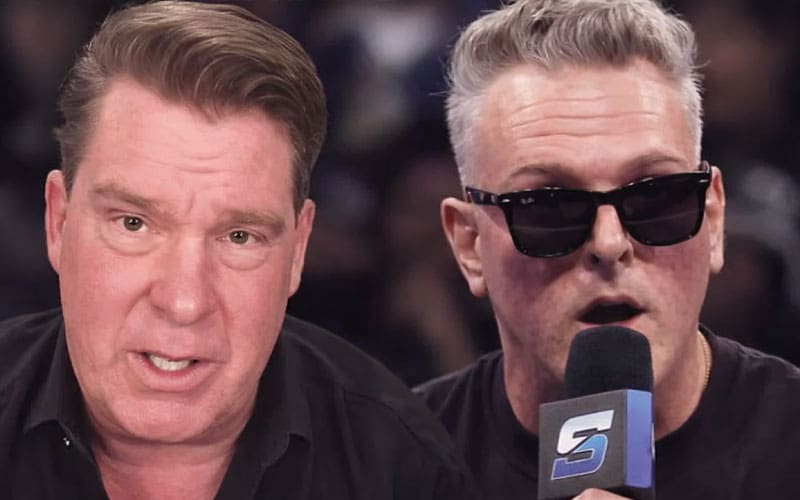
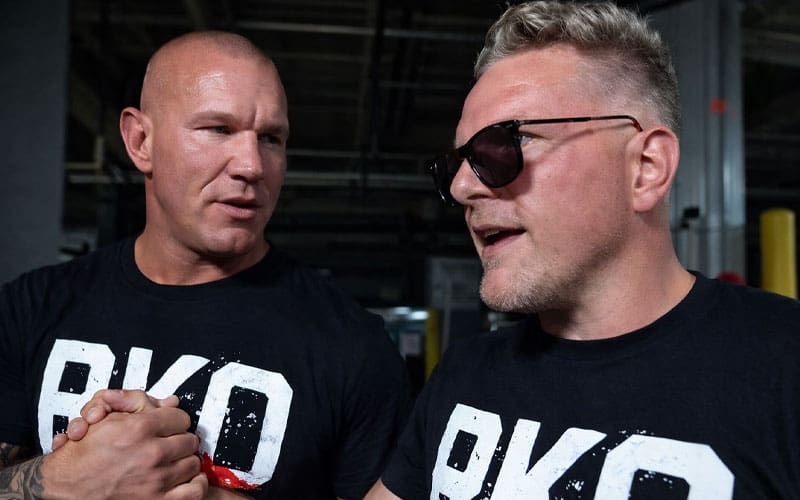
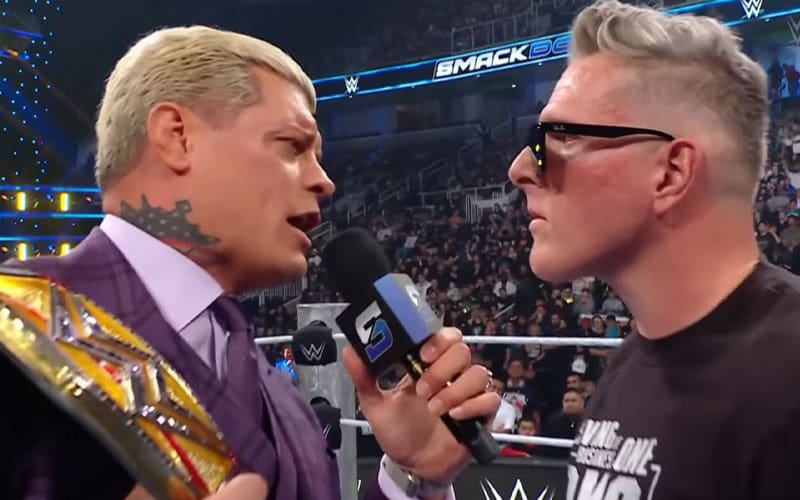
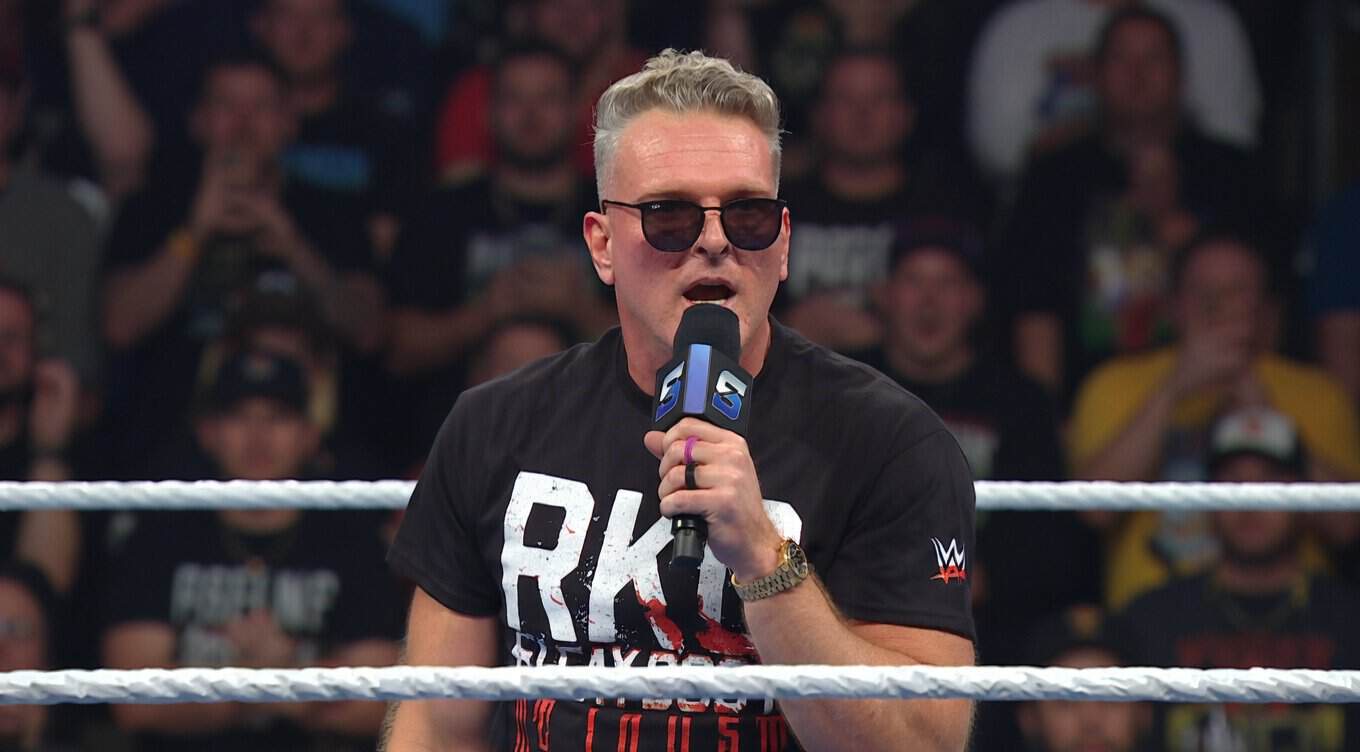
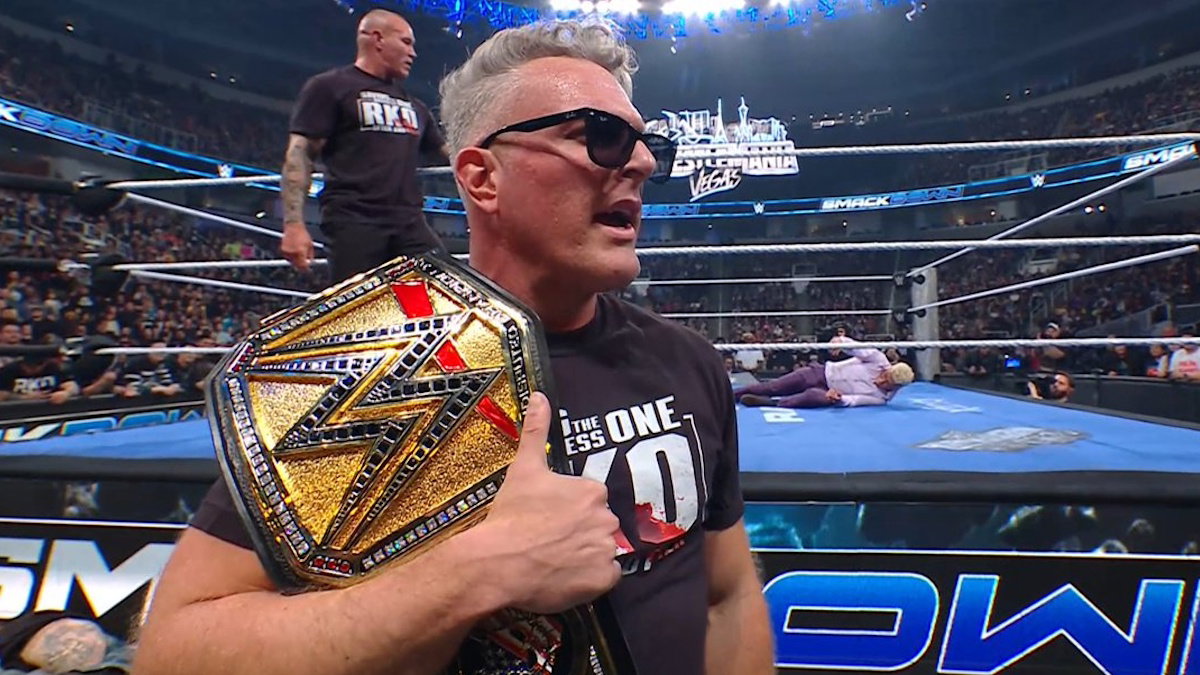
Pat McAfee currently occupies a polarizing space within the WWE broadcast desk. According to recent commentary from his broadcast partner Joe Tessitore, the former NFL punter has generated what is described as nuclear true hate heat among segments of the fanbase. Tessitore characterizes this friction as an intentional evolution of McAfee’s persona rather than a simple byproduct of his loud, high-energy delivery.
This development is significant because it arrives exactly six days before the opening night of WrestleMania 41 on April 19, 2026. If McAfee is shifting from a fan-favorite commentator to a figure designed to draw genuine vitriol, the creative team at WWE is leaning into the idea that reactions, even negative ones, fuel engagement. The timing suggests a deliberate attempt to make the viewer feel something, even if that feeling is active annoyance.
Evaluating the career pivot
McAfee’s transition into a full-time media personality often creates friction with traditionalist wrestling observers. He frequently moves away from the clinical, play-by-play style preferred by older fans, opting instead for a style that mimics the erratic, high-volume energy of sports talk radio. Whether this style serves the product during marquee matches or distracts from the action inside the ring remains a point of constant online debate.
The criticism regarding his performance is specific: fans argue that his outbursts sometimes drown out key information, such as move names or match stakes. When he goes off-script, the narrative thread of a high-stakes title fight can drift. While recent reports highlight the intensity of this heat, it is worth noting that for management, this noise serves as a metric for his relevance. He is not just reading a script; he is provoking a response.
Creative direction and locker room alignment
WWE under the TKO banner, led by Ari Emanuel, appears comfortable with this friction. The company has shown a preference for personalities who can command attention outside of traditional television windows. If McAfee continues to embrace this abrasive status, his role at the desk might shift further toward that of a heel narrator. This avoids the standard babyface announcer trap, where the commentator's job is simply to tell the audience who to support.
A negative observation of this strategy is the risk of alienating the core audience during premium live events. If the commentary box becomes a sideshow that distracts from the athletic performance, it risks undermining the very matches it is supposed to be augmenting. We saw hints of this friction during his past live segments, where his tendency to disrupt the flow of a match caused measurable frustration on social media platforms during broadcasts.
Probability and outlook
The likelihood that McAfee remains in his current role through the 2026 summer season is extremely high. WWE has invested significant resources into his brand awareness, and the friction he causes does not appear to be grounds for his removal. In fact, in the eyes of corporate leadership, that heat is likely viewed as an asset rather than a liability.
The expected timeline for this dynamic to fully manifest is the upcoming WrestleMania weekend, specifically during the highest viewership windows on April 19 and 20, 2026. If the audience reaction remains negative, expect WWE to either double down on his persona as a polarizing figure or adjust the production mix to better balance his volume against the in-ring action. His impact on the product will continue to be a litmus test for how much personality the company is willing to permit on air.
The ultimate goal for TKO is clear: growth. If McAfee brings eyeballs to the screen, his actual performance inside the booth may be secondary to his ability to generate headlines. Fans who expect a return to the more traditional commentary styles found in the 1990s or early 2000s will likely find themselves at odds with the current direction. We are officially in an era where the broadcaster is often as much of a character as the wrestlers themselves, and that comes with the inevitable risk of missing the mark during pivotal spots.
Read Next
- Pat McAfee has turned WrestleMania into his personal testing ground
- Pat McAfee is turning WrestleMania 41 into a chaotic fever dream
- WWE’s celebrity push is backfiring one week before WrestleMania 41
- WrestleMania 41 is shaping up as WWE's biggest moment in years
- 🏆 WrestleMania 41 — Full Coverage Hub