The quiet overhaul of the NXT pipeline
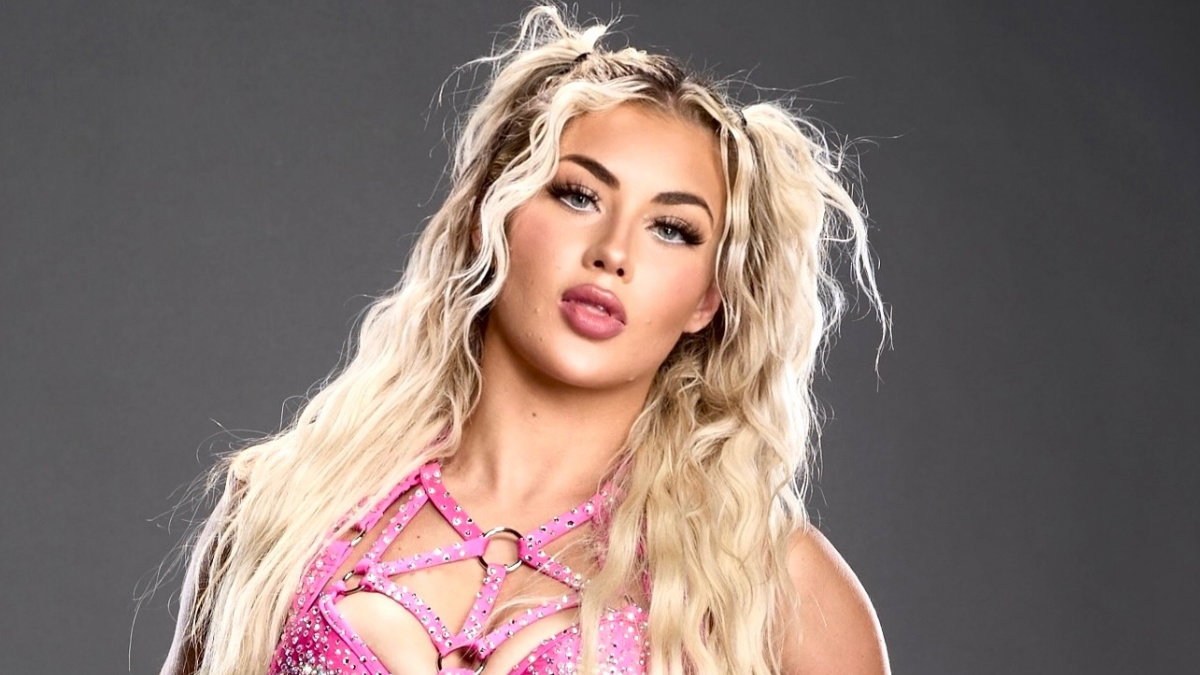
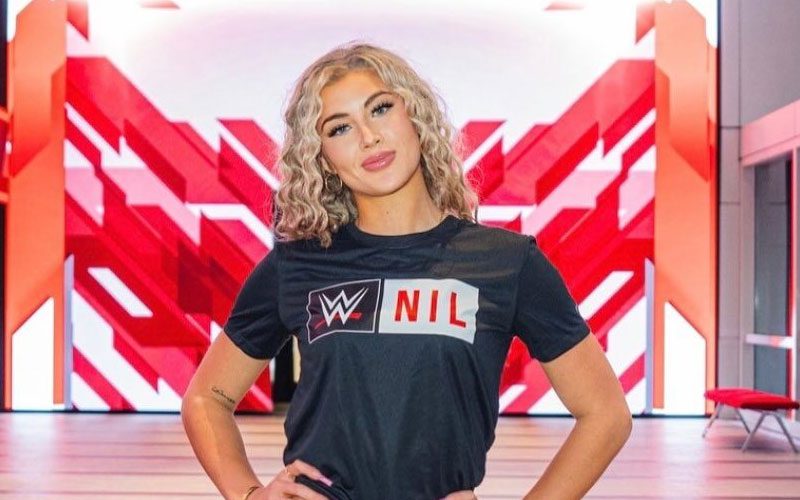
WWE is tightening the screws on its developmental talent acquisition. The internal machinery at the Performance Center has shifted again, this time centered on Meghan Walker. The former NIL standout has had her branding scrubbed and overhauled before making a single televised appearance.
Reports indicate that WWE leadership moved to change her ring name weeks ago. This isn't just about PR. It signals a shift in how the creative team intends to position her coming out of the gate. For a prospect with a background in competitive collegiate athletics, visibility is everything.
Trajectory and market fit
Walker arrived in Orlando via the NIL program, an avenue WWE has leaned on heavily to replace the traditional independent circuit grind. In theory, this provides a clean slate. In practice, it creates a steep learning curve regarding ring psychology and camera work.
Transitioning from a sanctioned sport to a scripted environment is rarely seamless. Critics will point to the lack of independent experience as a major hurdle. While her athleticism remains undeniable, the ability to sell a match transition—like moving from a standard suplex into a high-impact finisher—presents a challenge that amateur pedigree cannot inherently solve.
Creative direction and booking potential
The decision to change her name so early suggests WWE management views her as a long-term project. When a name is swapped before a debut, it usually points to a desire to avoid legal entanglements or, more frequently, to better align a performer with a specific character archetype developed during their time at the Performance Center.
We should expect a tactical rollout. WWE often tests these prospects in NXT house shows against veterans who can safely guide them through a ten-minute outing. If she struggles to maintain pace or misses physical cues during her first few televised tests, the push will likely be curtailed. Booking teams are rarely patient with high-profile NIL signings that fail to display immediate poise.
The scrutiny of the NIL model
This situation highlights a fundamental flaw in the modern developmental strategy. By focusing exclusively on amateur credentials, the company risks creating performers who look the part but lack the internal rhythm of veteran wrestlers. Relying on sheer training volume in a single facility sometimes leads to a monotonous in-ring style.
If the debut timeline slips, it will be because the internal creative meetings haven't settled on a hook. A name change is a minor detail, but it reflects a larger lack of identity. For fans watching the live streams or following the results, the success of this prospect depends on whether the character is built around her natural strengths or forced into a generic mold.
Probability assessment
The probability of a debut landing within the next 60 days is high. The internal infrastructure is already moving to accommodate her entry into the mid-card rotation. However, we should measure expectations. Most NIL signees experience a significant adjustment period after their debut programs conclude.
Expectations should be tempered. While she brings a legit athletic background, replicating that consistency in front of a live crowd is a distinct skill set. If she fails to connect with the audience, she becomes another statistic in the churn of the Performance Center. The next quarter will tell us if the investment in collegiate stars continues to yield main event talent.
The impact of her arrival depends largely on her first high-profile feud. If the creative team matches her with a reliable technician, we will know immediately if she can handle the demands of the main roster schedule. Anything less than a polished presentation on her first night will invite immediate skepticism from the veteran base.