The championship void in the women's division
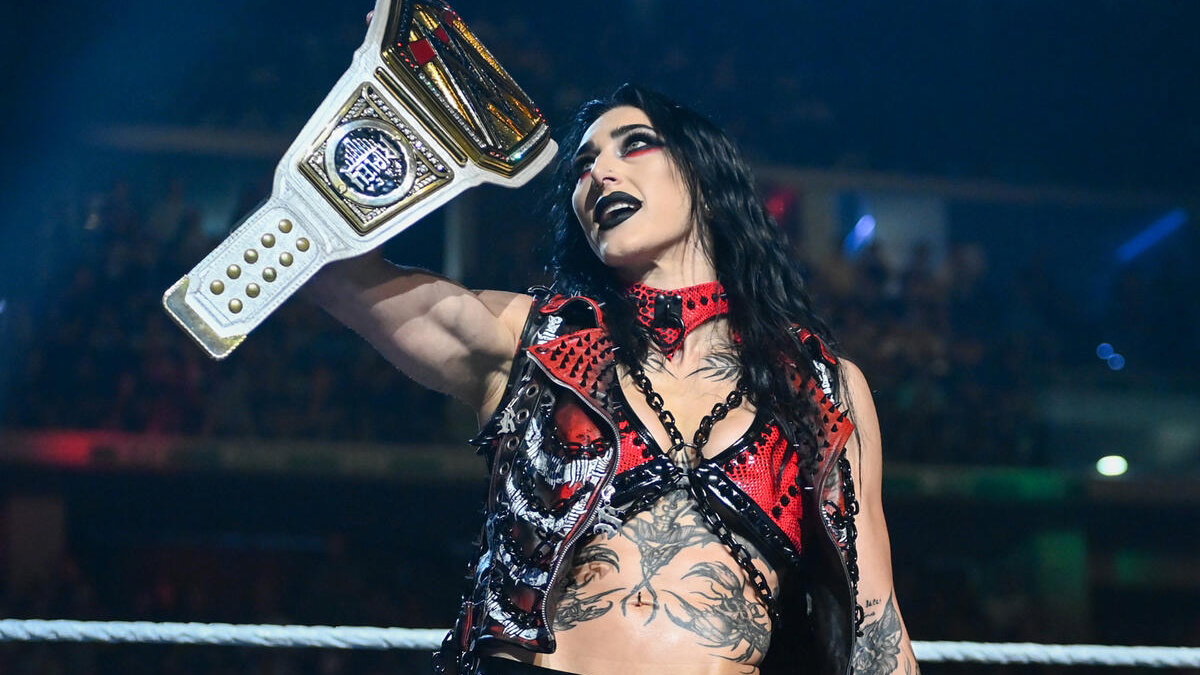
Professional wrestling is a game of momentum, and right now, the WWE women's division is stuck in neutral. At Clash In Italy 2026, Rhea Ripley successfully defended her WWE Women’s Championship against Jade Cargill. It was a high-intensity affair, but the cost was effectively the title's relevance for the next several months. Ripley sustained a meniscus tear during the match, turning a dominant championship reign into a medical countdown.
We are currently looking at a vacancy-by-proxy. Ripley has publicly stated that her return timeline is up in the air, a reality that offers zero certainty for creative booking. While the company waits, the momentum gained from that victory over Cargill is rapidly evaporating.
The booking vacuum behind the champion
Without an active focal point, the mid-card becomes a series of disjointed narratives. There is a glaring hole where a top-tier contender should be establishing dominance. While legends like Lisa Marie Varon have officially closed the door on their in-ring careers, the present roster needs to stop looking backward and start producing a viable interim challenger.
The current management choice to keep the belt on an injured performer is a gamble on fan patience. Historically, stalling a division to wait for a returner allows entropy to set in. If the medical recovery takes longer than anticipated, the booking team risks the audience apathy that usually follows a dead-end title program.
Critiquing the management strategy
Keeping the strap on Ripley is a classic choice, but it is one I find increasingly suspect. In an era where work rates are scrutinized, holding the belt hostage for a 6 to 9 month recovery period is poor practice. It leaves the rest of the division fighting for secondary scraps while the premier prize sits in a locker room storage box.
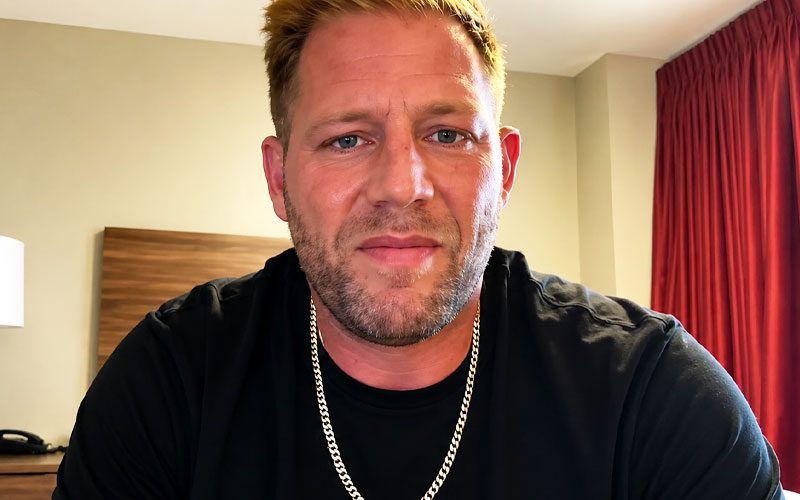
There is also the physical toll to consider. We know from her recent reaction to high-impact external events like the Jake Hager knockout that Ripley values the intensity of combat sports. Rushing back from a meniscus tear to protect a brand image is a recipe for a 2-year chronic issue. The medical staff needs to prioritize structural integrity over the optics of having a champion on TV. Being a star athlete is not just about the highlight reel, it is about knowing when to actually walk away to heal.
The verdict on the division's future
The writing is on the wall for a mid-summer tournament or a transitional title change. If management fails to act by late August, the heat on the women's title segment will drop to dangerous levels. My call? They will strip the title before the final quarter of the year. Keeping a title on an athlete who cannot perform matches is a failure to serve the audience, and it is time for the creative department to make the uncomfortable, necessary call to move on.