The circus comes to South Beach
Miami is a city built on excess, noise, and unapologetic spectacle. It is the perfect backdrop for what UFC 327 is about to become.
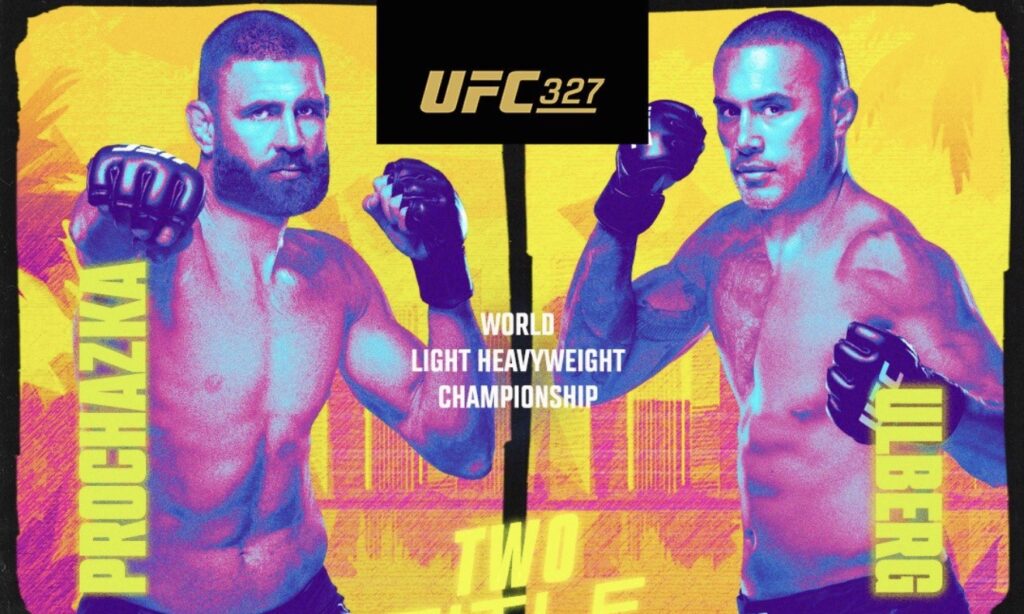
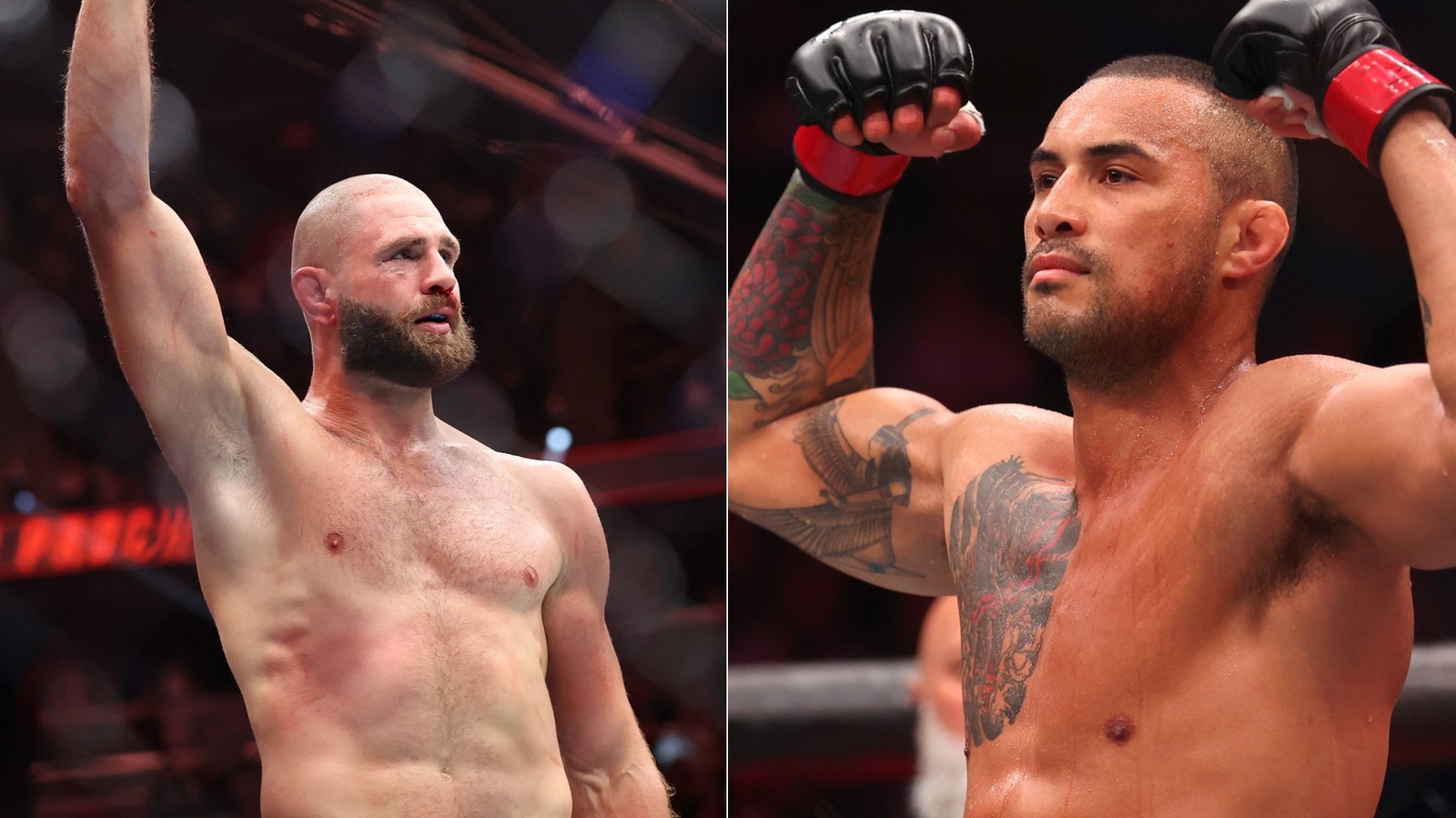
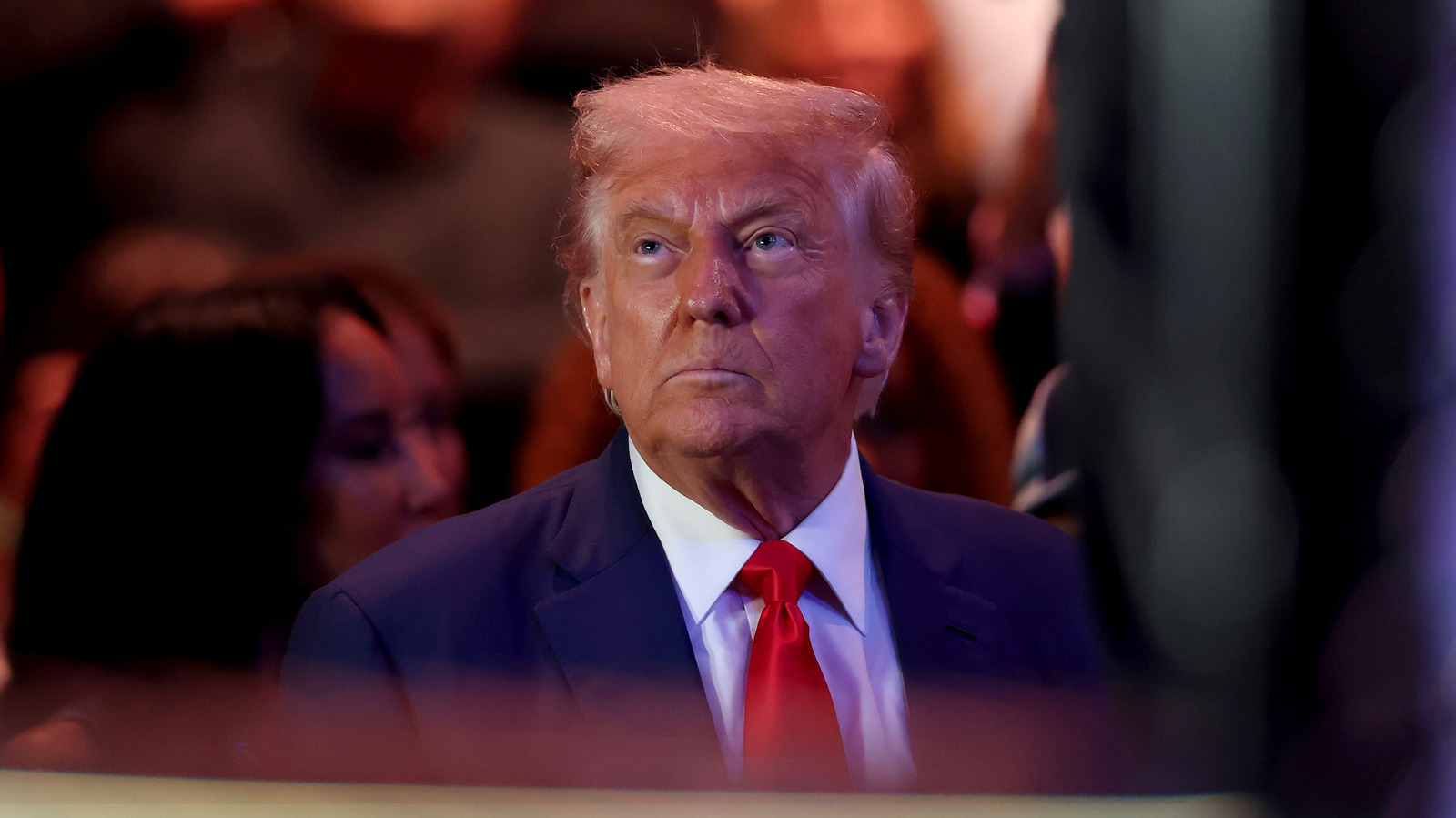
Saturday night was already slated to deliver guaranteed violence with Jiri Prochazka and Carlos Ulberg colliding in the main event. But the dynamic of the entire evening shifted dramatically this week. As Wrestling Inc reported, President Donald Trump is officially set to attend the fights at the Kaseya Center.
When the Secret Service sweeps an arena, the energy changes. The pacing of the pay-per-view will inevitably grind to a halt. We have seen this routine before. Jon Anik, Joe Rogan, and Daniel Cormier will be forced to fill dead air while camera operators scramble to capture the grand entrance.
For the combat sports purist, it is an incredibly frustrating distraction. You buy the pay-per-view to watch two highly trained killers solve a physical puzzle inside a locked cage. You do not tune in to watch a political rally masquerading as a VIP section.
But Dana White understands the currency of modern attention. A presidential walkout guarantees viral clips, mainstream headlines, and a frenzied arena. It turns a standard fight night into a massive pop culture event.
The history of the VIP cage walk
To understand why Saturday matters beyond the rankings, you have to look at the historical relationship between Donald Trump and the UFC. It goes all the way back to 2001. When the sport was struggling to find venues that would legally host mixed martial arts, Trump opened the doors of the Taj Mahal in Atlantic City.
White has never forgotten that loyalty. The UFC president has integrated Trump into the fabric of the promotion's biggest events. We saw the blueprint at Madison Square Garden for UFC 295. We saw it again in Miami at UFC 299.
The arrival is meticulously produced. Kid Rock blasts through the arena speakers. The entourage slowly makes its way to the front row, shaking hands with fighters and commentators. The crowd reaction is always deafening.
But from a broadcast perspective, it is a pacing nightmare. The production team essentially hits pause on the sporting event to broadcast a five-minute entrance. If you are a fighter warming up in the back, your timing gets completely thrown off. You are suddenly waiting an extra twenty minutes to make your walk because the cameras are focused on the front row instead of the Octagon.
This is where the criticism of modern UFC matchmaking really bites. The promotion is increasingly relying on these manufactured viral moments to carry events that lack deep competitive depth. The main event of UFC 327 is a banger, absolutely. But if you look at the prelims, it feels like a card designed to fill out a television contract rather than build future contenders.
The chaotic brilliance of Jiri Prochazka
If you strip away the cageside theatrics, the actual main event is a terrifying clash of striking philosophies. Jiri Prochazka fights like a man trying to channel an ancient warrior spirit while actively ignoring every fundamental rule of modern kickboxing.
He keeps his hands completely down. He switches stances without rhythm. He throws leaping knees and spinning elbows from distances that make absolutely no sense.
But that chaos is exactly why he is a former champion. Opponents cannot prepare for Prochazka because Prochazka rarely seems to know what he is going to throw next. He weaponizes unpredictability. He relies on a frightening ability to absorb damage to land his own fight-ending shots.
The problem with relying on your chin in the Light Heavyweight division is that everyone eventually goes to sleep. Prochazka has taken immense damage over his last few outings. The wars take a massive toll.
He cannot afford to let Ulberg dictate the early tempo. Prochazka needs to turn this into a messy, ugly brawl as quickly as possible. If he gives Ulberg space to operate, he is going to get picked apart.
Carlos Ulberg and the art of violence
On the other side of the cage is a man who operates with chilling precision. Carlos Ulberg has quietly evolved into one of the most dangerous strikers at 205 pounds.
Early in his UFC run, Ulberg was dismissed by some as simply being Israel Adesanya's good-looking training partner. He looked stiff. He struggled with pacing. But the evolution under coach Eugene Bareman at City Kickboxing has been remarkable.
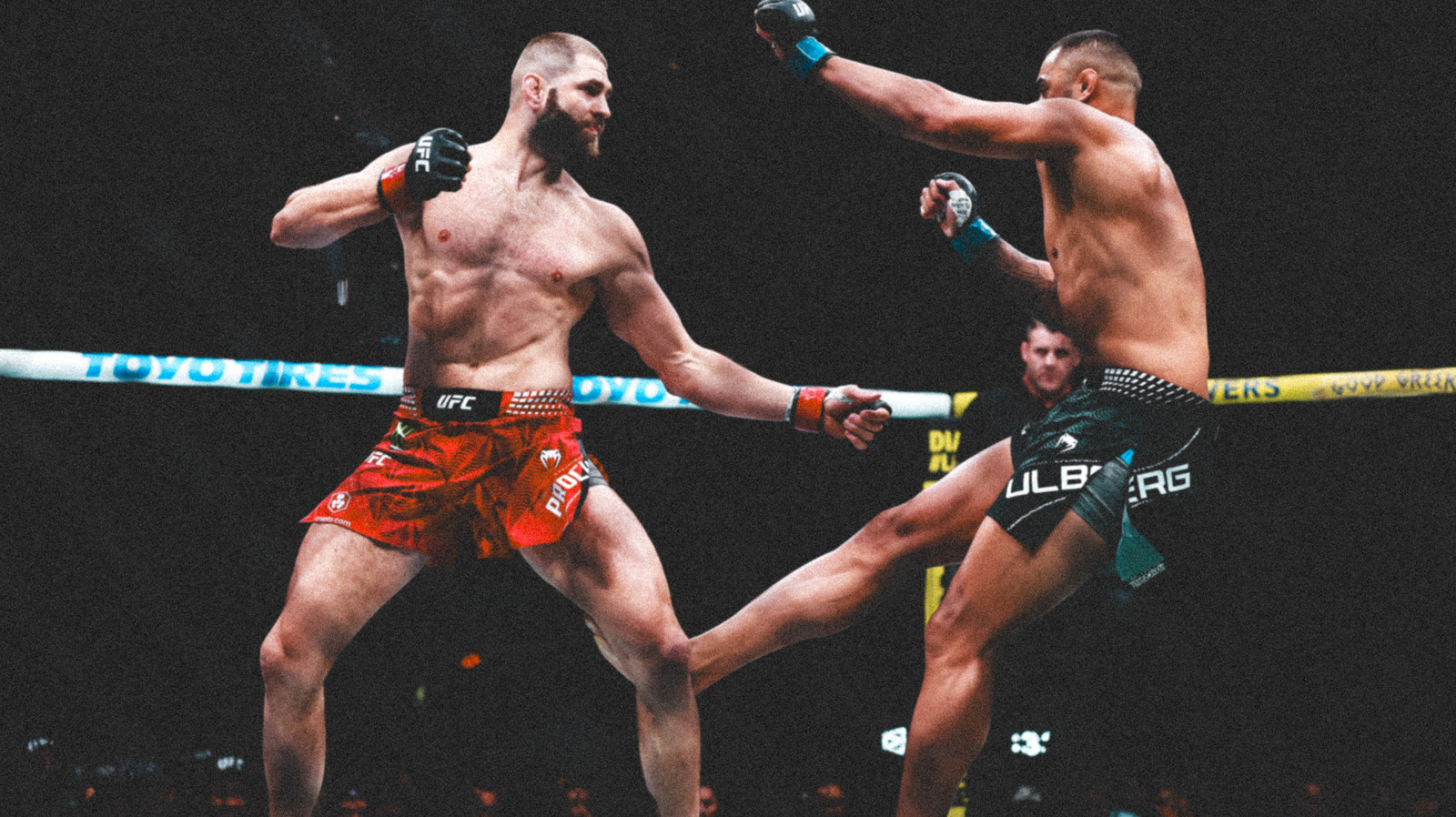
Ulberg does not waste motion anymore. His check left hook is currently one of the deadliest weapons in the sport. He manages distance beautifully, using stinging leg kicks to keep aggressive brawlers at bay.
Unlike Prochazka, Ulberg is entirely calculated. He rarely throws more than three strikes in a combination unless his opponent is clearly hurt. He waits for a mistake, and then he punishes it instantly.
This fight is a massive step up in competition for the New Zealander. Prochazka brings a level of chaotic pressure that Ulberg has never faced inside the Octagon. How Ulberg reacts the first time Prochazka rushes him with an unorthodox combination will dictate the entire fight.
The forgotten art of grappling
Everyone is expecting a kickboxing match on Saturday. Both Prochazka and Ulberg prefer to keep the fight standing, and the fans in Miami will undoubtedly boo the second the fight hits the mat.
But the grappling exchanges might secretly be the deciding factor in this matchup. Prochazka has decent offensive wrestling when he actually chooses to use it. If he feels that Ulberg is getting the better of the striking exchanges early, do not be surprised if the Czech fighter shoots a reactive takedown.
Ulberg's takedown defense has improved dramatically, but he has not been tested by a massive, unorthodox grappler like Prochazka. If Jiri gets top position, he rains down brutal ground and pound. He does not look for slick submissions; he looks to inflict maximum damage with short elbows.
However, shooting for takedowns requires massive energy expenditure. Prochazka's cardio is legendary, but wrestling a fresh, sweaty Carlos Ulberg against the fence for five minutes will drain anyone's gas tank. I suspect Prochazka will only use his wrestling as a panic button if the striking gets too dangerous.
The final sequence
So, how does the violence unfold in Miami?
Prochazka is going to start fast. He knows he cannot let Ulberg get comfortable at range. Expect to see Jiri throwing heavy kicks to the body early, trying to force Ulberg back against the fence.
Ulberg will stay composed. He is used to dealing with aggressive sparring partners in the gym. He will use his footwork to circle away from the power side, chipping away at Prochazka's lead leg whenever the Czech fighter lunges forward.
The danger for Ulberg comes in the clinch. Prochazka is incredibly physically strong and does excellent work breaking from the tie-up with dirty boxing. Ulberg must avoid getting trapped against the cage.
But Prochazka's tendency to drop his hands will be his undoing in this matchup. Ulberg is too fast and too accurate.
Midway through the second round, Prochazka will try to force the action. He will rush in with a shifting combination, dropping his right hand and leaving his chin completely exposed on the counter.
Ulberg will slip inside and land a devastating check hook. It will be clean, it will be fast, and it will shut the lights out.
Carlos Ulberg wins by knockout at 2:14 of round two, cementing himself as a legitimate title threat while the VIP section cheers the destruction.