The financial fallout from T-Mobile Arena
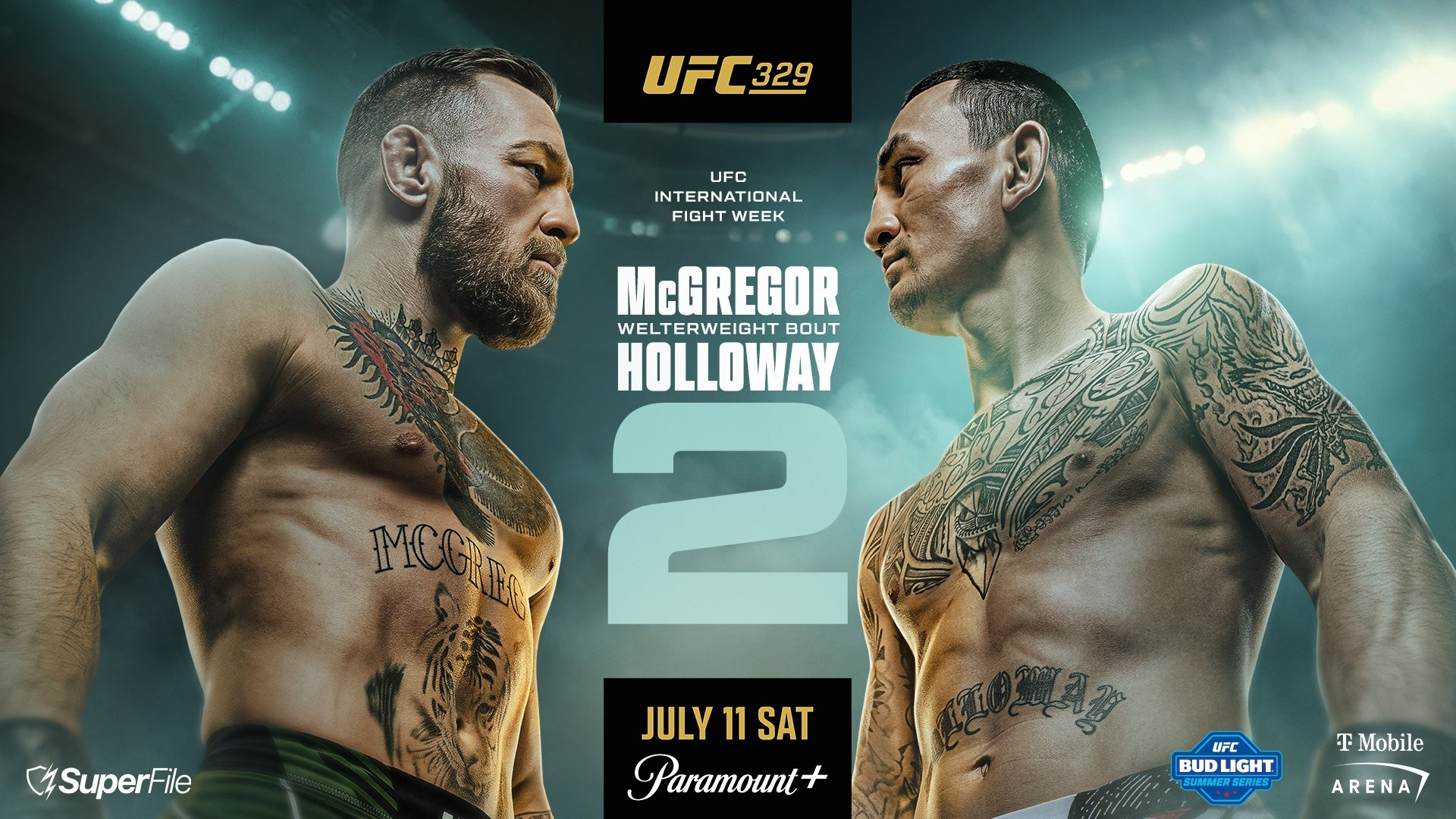
The numbers are in following UFC 329 this past Saturday night at the T-Mobile Arena. Official documentation released by the promotion confirms a total of $275,000 was distributed to the active roster under the Promotional Guidelines Compliance program.
These figures represent the standard compensation tiers tied to fighter tenure and sponsorship obligations. While the total payout is a fixed accounting metric, the disparity within the card remains a point of contention for followers of combat sports economics. The transparency of these payments is a necessity, yet the scaling often leaves mid-card talent with significant gaps between their actual ring earnings and these regulated bonuses.
Analyzing the Compliance Payout Structure
For those tracking BodySlam.net reports, the payout structure functions on a sliding scale based on career experience inside the Octagon. Veterans with more bouts command higher brackets, while newcomers receive the base-level compensation. It is a system built on seniority rather than drawing power or fight performance.
Critics argue this model fails to account for the actual market value of fighters. When a fighter faces high-volume press requirements, their payout is essentially locked to their tenure status. The $275,000 aggregate figure reflects the cumulative total for all athletes participating in the July 11th card. Individual breakdowns usually correlate with the number of fights a participant has logged under the promotion's banner.
The reality of fighter compensation
The system is designed to streamline branding and sponsor uniformity. By forcing fighters into specific apparel, the promotion maintains a clean aesthetic, but the financial tradeoff remains a persistent debate. Fighters are effectively employees for promotional purposes but remain contractors regarding their broader financial intake.
This event, streaming on Paramount+, highlighted the ongoing tension between talent and management regarding revenue sharing. While the promotion hits its contractual obligations with these payouts, the amount rarely aligns with the inflationary pressure seen in other major sports. The reliance on tenure over performance metrics continues to suppress the earnings of rising stars who have yet to reach the decade-long tenure mark.
Operational costs for these events are astronomical, but the slice directed toward the actual combatants is scrutinized during every post-fight cycle. The $275,000 allocated for this specific event is a standard benchmark, showing no deviation from established historical norms. Consistency is the goal for the promotion's accounting department, but stagnation is the recurring criticism from fans and analysts.
Why the numbers matter
Understanding these payouts is essential to evaluating the broader financial trajectory of mixed martial arts. Without these disclosures, the actual take-home pay of athletes would be shrouded entirely in mystery. We see the final tally, yet we rarely see the internal math determining why a veteran receives an exponentially higher rate for the same time on the microphone.
The T-Mobile Arena crowd saw a night of action, but the backend logistics tell a colder story. If the promotion continues to tie growth exclusively to tenure, younger athletes face an uphill battle. The financial structure rewards survival more than excellence. This approach keeps payroll predictable, yet it risks alienating the next generation of top-tier talent who see veteran-heavy payouts while pulling the heavy lifting on the undercard.
Moving forward, the pressure to reform these tiers will likely intensify. Fighters have been increasingly vocal about the need for a more equitable distribution model. While this payout cycle has concluded without internal friction reaching the public domain, the math itself stands as the most critical point of contention. The $275,000 spent on compliance is a drop in the ocean compared to total event revenue, a fact that will continue to drive headlines long after the octagon is dismantled.