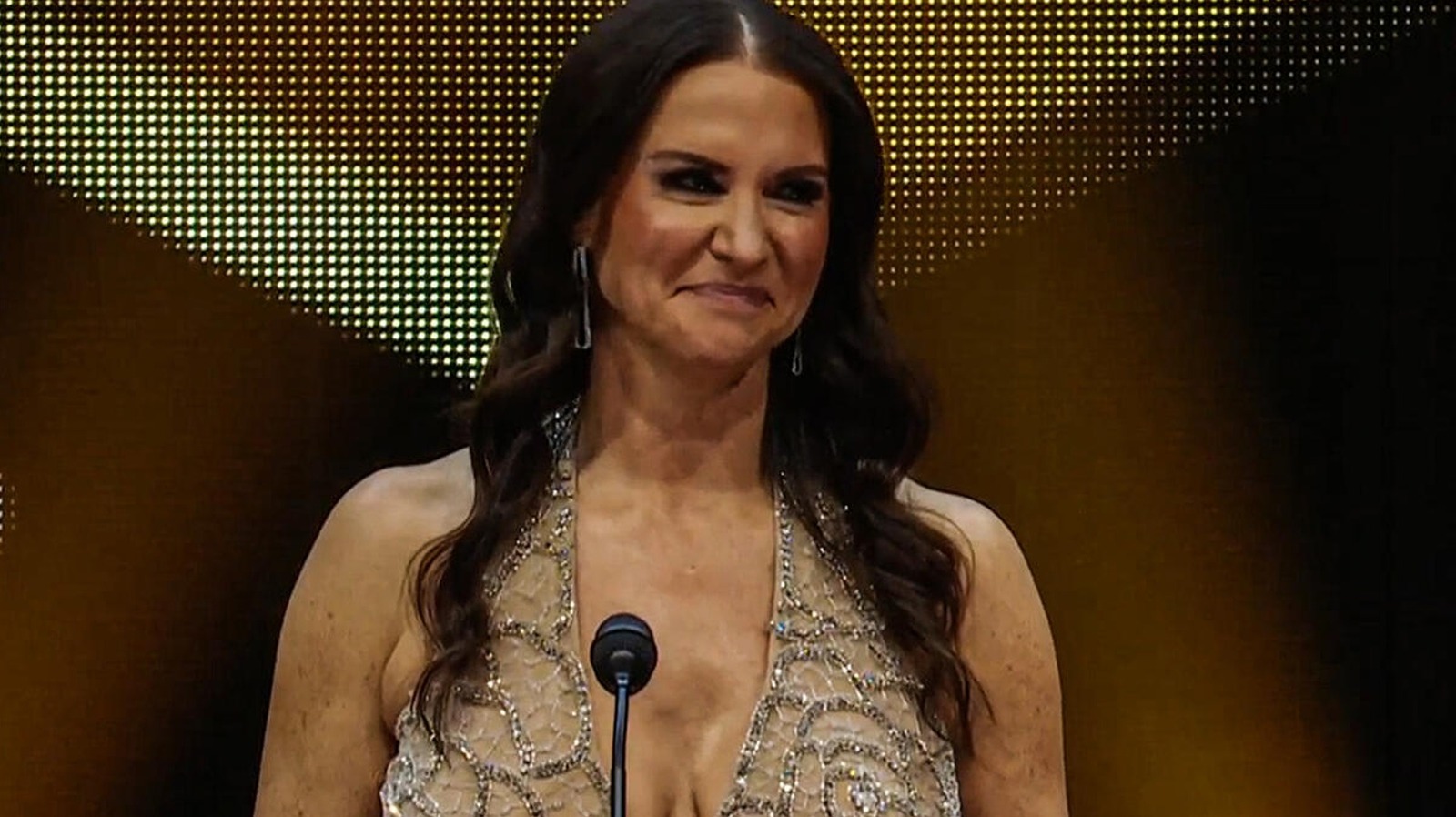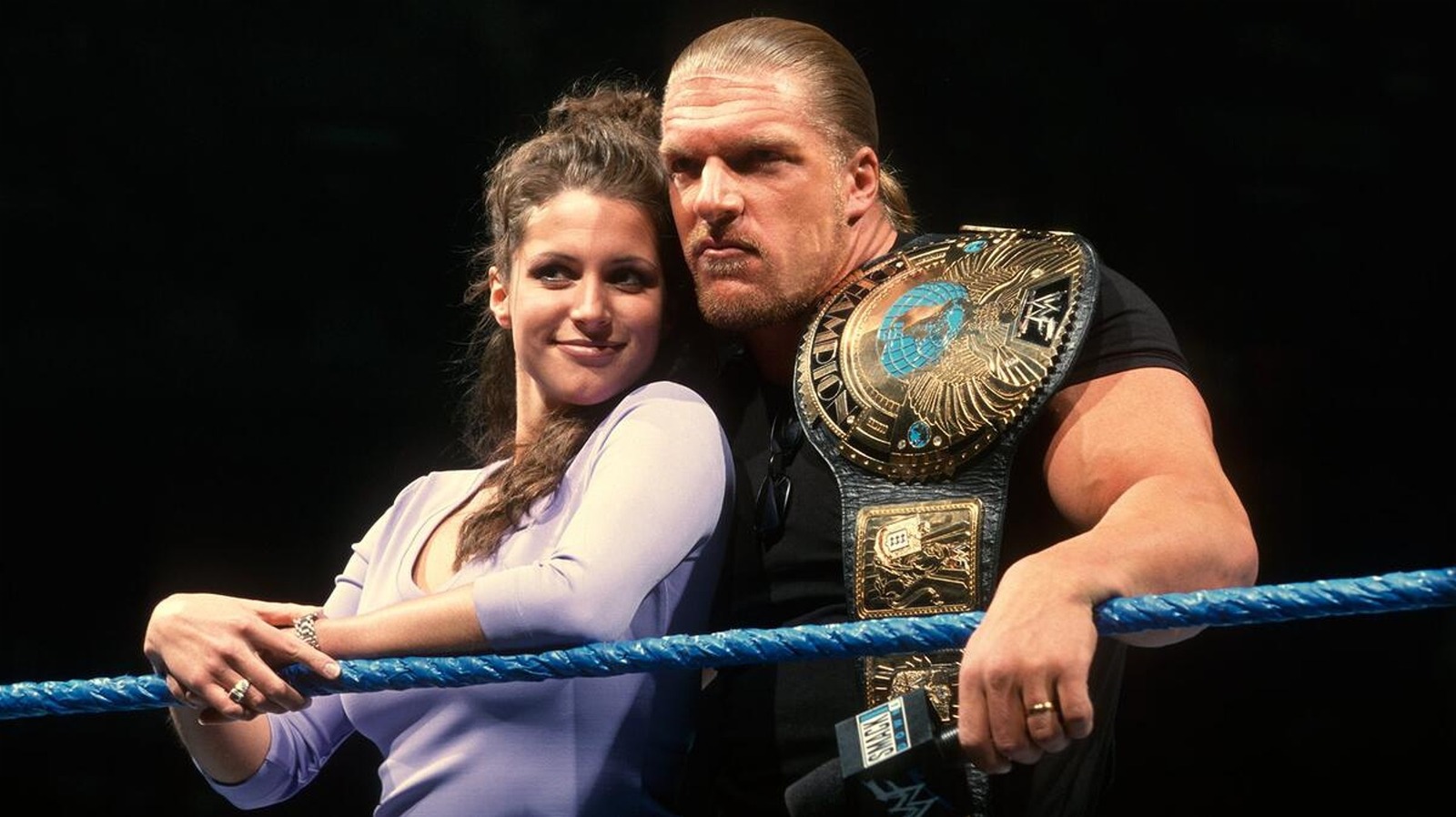
"Triple H and Stephanie McMahon had a hard time hiding their relationship from their mothers."
That simple fact, recently noted in wrestling media, sounds like a standard sitcom trope. In reality, it highlights the intense pressure of their early years together.
Professional wrestling is a paranoid business. Adding a secret romance with the boss's daughter creates a unique psychological burden. The constant vigilance required to keep a relationship hidden takes a heavy neurological toll.
Stress is a physical entity. It elevates cortisol. It disrupts sleep.
For a performer taking bumps 250 days a year, compromised recovery is dangerous. Levesque was operating at the absolute peak of the industry during the Attitude Era. The physical demands were absurd.
The mental demands of navigating backstage politics while hiding his personal life added another layer of exhaustion. The central nervous system is always on high alert in that environment. That chronic state of fight-or-flight reduces the body's ability to repair tissue damage.
For a power wrestler like Levesque, that meant stepping into the ring every night with a structural deficit. The bill for that kind of lifestyle always comes due.
The 2001 Tear and the Culture of Playing Hurt
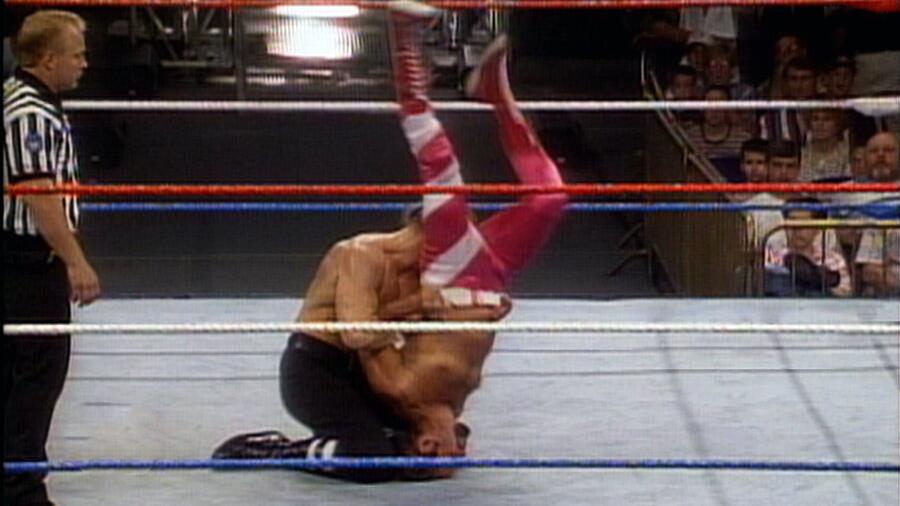
The human body can only absorb so much force before something snaps. For Levesque, that moment arrived on May 21, 2001. Teaming with Steve Austin against Chris Jericho and Chris Benoit, Levesque rushed the ring to break up a submission.
He planted his left foot. The quadriceps tendon gave way. It was a catastrophic structural failure.
This was not a minor strain. The tendon tore completely off the bone. The muscle rolled up his thigh.
Despite the injury, Levesque allowed Jericho to put him in the Walls of Jericho. That decision remains one of the most baffling and reckless choices in modern wrestling history. It was a display of toughness that bordered on self-destruction.
The culture of the time demanded that top stars finish their matches regardless of injury. It was a toxic mentality that destroyed careers.
The surgery to repair a ruptured quad is brutal. Surgeons drill holes through the patella. They thread sutures through the tendon and tie it down to the bone.
The leg is immobilized immediately. Atrophy sets in within days. Levesque lost massive amounts of muscle mass in his left leg.
The rehabilitation process takes months of painful, repetitive movement just to restore basic flexion. Every step is an agony of scar tissue breaking down. Stephanie McMahon was there for the entire agonizing rehab.
The secret relationship was out in the open, and she became his primary support system. The physical recovery was grueling. But the mental battle of sitting on the sidelines during the height of the Monday Night Wars was arguably worse.
A Pattern of Orthopedic Trauma
Levesque returned in early 2002. He looked massive, carrying more upper body mass than ever before. From a fitness perspective, this was a questionable approach.
Adding weight to a surgically repaired knee alters biomechanics. It changes how forces are distributed during a bump. The increased mass puts extra stress on the cardiovascular system.
Unsurprisingly, the injuries continued. He tore his other quad in 2007 at New Year's Revolution. The mechanism was similar. The recovery was just as grueling.
By this point, the physical cost of his style was obvious. He was a power wrestler carrying significant mass, relying on explosive movements on an unforgiving canvas. His body was breaking down under the strain of a demanding schedule.
In 2018, at the Crown Jewel event, Levesque suffered a torn pectoral muscle. This is a classic weightlifter's injury.
Teaming with Shawn Michaels against The Undertaker and Kane, Levesque was thrown over the top rope. As he landed, his right arm caught the ropes awkwardly. The pectoral major muscle tore cleanly off the humerus bone.
The bruising was immediate and severe, turning his entire chest and bicep a deep shade of purple. Pectoral tears require immediate surgical intervention to prevent permanent muscle retraction.
The surgeon makes an incision in the armpit, retrieves the retracted muscle, and uses heavy sutures to tie it back to the bone through drilled holes. The arm is locked in a sling for a month.
The fact that Levesque finished a 27-minute match with a detached muscle is insane. It is not something to be praised. It is a terrifying example of adrenaline overriding basic human preservation instincts.
The Cardiac Event That Changed the Industry
Orthopedic injuries end careers. Cardiac events end lives.
In September 2021, Levesque contracted viral pneumonia. The infection attacked his heart. He developed severe heart failure.
His ejection fraction plummeted. A normal ejection fraction is between 50 and 70 percent. Levesque was operating at a fraction of that.
He was dying. This was no longer about missing WrestleMania. This was about survival.
The medical intervention was drastic. He received an Implantable Cardioverter-Defibrillator. An ICD is a small battery-powered device placed in the chest.
It monitors the heart rhythm continuously. If it detects ventricular tachycardia or fibrillation, it delivers an electric shock to reset the heart. It is a safety net against sudden cardiac arrest.
Having an ICD changes everything. It dictates what you can and cannot do. For a professional wrestler, it is a hard stop.
The device has wire leads that thread through the veins into the heart. Severe blunt force trauma to the chest can dislodge these leads. A hard flat back bump transfers massive kinetic energy through the torso.
That energy could damage the device or trick it into firing an unnecessary shock. It is a permanent barrier to ever taking a bump again.
The Executive Reality and Strategic Implications
Levesque formally announced his retirement in early 2022. He left his boots in the ring at WrestleMania 38. There was no final match.
There was no farewell tour. The medical reality dictated the terms of his exit. His transition to the boardroom accelerated.
When Vince McMahon stepped down, Levesque took over creative. His health crisis effectively forced him to focus entirely on the executive side of the business.
If he had not suffered heart failure, he might have attempted another in-ring return. He might have delayed his full-time commitment to the Chief Content Officer role.
The industry shifted. Under Levesque's creative direction, WWE has experienced a massive resurgence. The grueling live event schedule has been reduced to protect talent.
It is entirely possible that his own brutal medical history influenced this new, more forgiving schedule. He knows exactly what happens when you push a body past its breaking point.
Today, Levesque operates strictly behind the scenes. The physical bumps have stopped. The stress, however, remains.
Managing a global entertainment company and booking weekly television is a high-pressure existence. The demands on his time are relentless.
The fitness requirements for an executive with heart failure are very different from those of an active wrestler. Cardiovascular health is the singular priority.
Heavy, maximum-effort weightlifting is generally discouraged with an ICD, as spiking blood pressure can be dangerous. Moderate aerobic exercise and strict dietary management are the standard protocols.
He has visibly slimmed down since his in-ring days. That is a necessary medical adjustment for his cardiac health.
The Long-Term Outlook
Stephanie McMahon has been a constant presence through every injury, every surgery, and the cardiac crisis. The couple now navigates the complexities of middle-aged health management in a highly public setting.
Levesque's survival is a medical success story. His forced retirement is a stark reminder that the wrestling business extracts a final payment from everyone.
He survived the Attitude Era, multiple tendon ruptures, and severe heart failure to become the most powerful man in wrestling. The physical cost of that journey is written in scar tissue and an implanted battery in his chest.
Competitors like AEW must look at WWE's reduced schedule and adapt. The entire industry is shifting toward a model that values career longevity over maximizing short-term ticket sales.
The days of wrestlers working 300 days a year are dead. Levesque's medical history is a major reason why. He lived through the peak of the meat-grinder era.
He watched his peers suffer. He suffered himself. Now that he holds the pen, he is writing a different script for the next generation.
The focus is on sports science, mandatory medical clearances, and scheduled time off. It is a massive departure from the culture he came up in.
The early secrecy of his relationship with Stephanie seems trivial compared to the life-and-death stakes of his later career. But it was the starting point of a high-stress journey.
The pressure cooker of the wrestling industry never really turns off. It just changes forms. From hiding a romance to rehabbing torn tendons to surviving heart failure, Levesque's timeline is a brutal medical case study.
It proves that even the most successful figures in the sport do not escape unscathed. His legacy is secure, but the physical toll of achieving it is undeniable.