The 1,505-Day Administrative Phantom
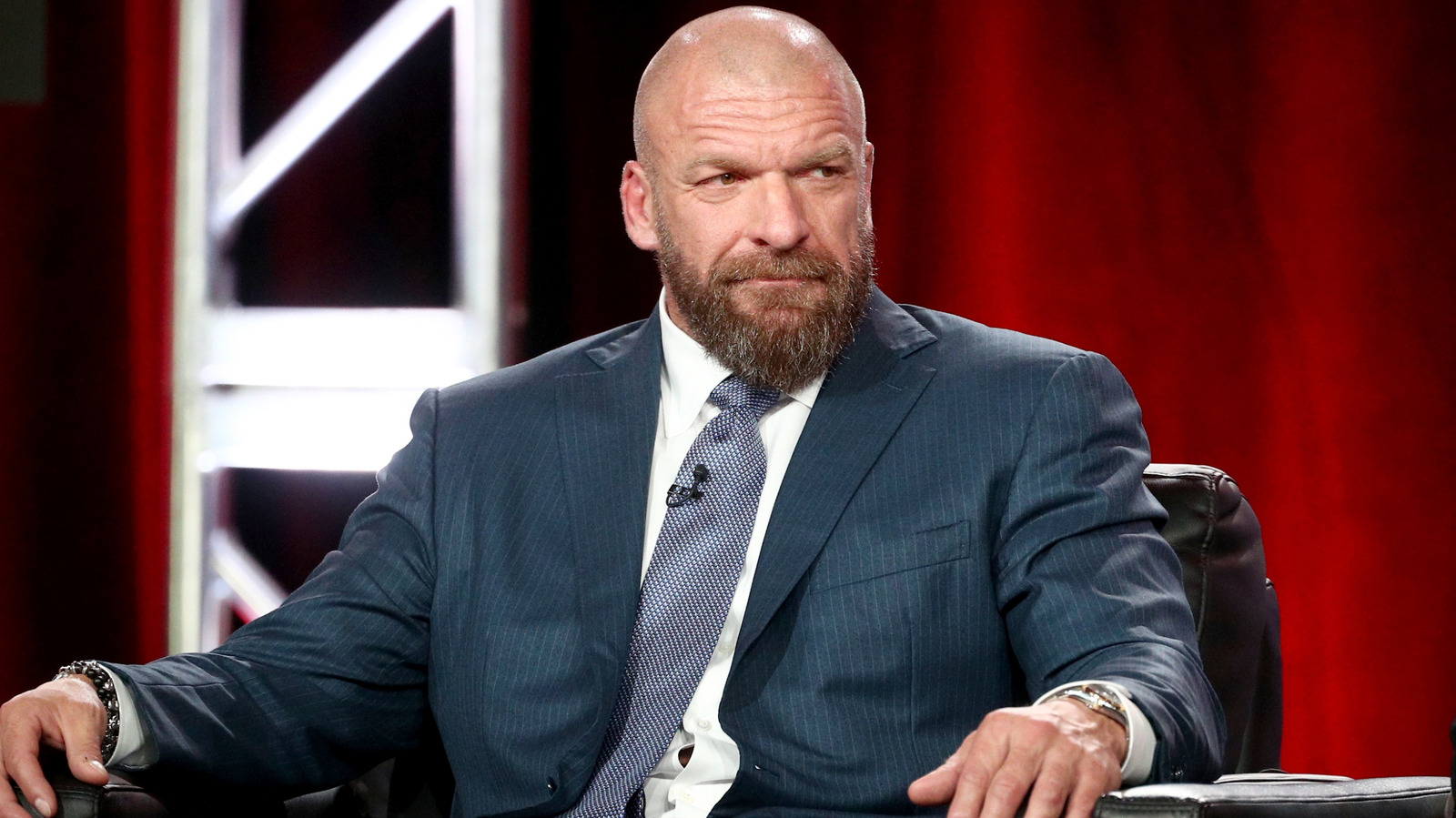
It took exactly 1,505 days for WWE to officially delete Paul 'Triple H' Levesque from its internal active talent roster. The Chief Content Officer announced his formal retirement from in-ring competition on March 25, 2022, following a near-fatal cardiac event. Yet, he remained cataloged internally under an active designation until early May 2026, as Wrestling Inc reported.
This four-year administrative lag is not just a filing error. It reveals a massive institutional inertia at the very top of a promotion that currently generates over $1 billion in annual revenue. Why keep a retired 56-year-old executive on the active ledger for 49 months?
The answer lies in the complex web of legacy licensing contracts, royalty flows, and video game licensing agreements. While Triple H has not executed a spinebuster since his final match at a Tokyo live event in June 2019, his digital avatar and merchandise lines remained active.
Removing him from the internal sheet closes a ledger that spanned three decades. It is a quiet, symbolic end to the Attitude Era's administrative footprint.
This housecleaning coincides with a brutal payroll contraction. While Triple H's in-ring status was finally mothballed, active performers faced far more immediate administrative cuts. Nearly 40 superstars have been excised from the main roster and NXT since January 2026.
High-profile veterans Kofi Kingston and Xavier Woods reportedly walked away in early May after rejecting aggressive contract restructuring proposals. The message from TKO Group Holdings is unmistakable. Legacy contracts are being systematically purged, replaced by a highly controlled, lower-cost developmental pipeline.
The Great Independent Renaming Campaign
On May 22, 2026, the mechanics of this new cost-control pipeline became clear. According to reports from F4WOnline, WWE is now enforcing an aggressive name-change policy for talent signed to its WWE Independent Development program. Prospects signed to these developmental agreements are now strictly prohibited from using their established independent ring names.
They must exclusively use WWE-mandated, trademarked identities for all independent bookings. Promoters must use these new names on all promotional materials, or the talent risks losing their developmental status. The immediate rebrands are striking in their corporate uniformity.
Starboy Charlie, a five-year independent veteran who built a dedicated following in West Coast promotions, is now billed as Chazz Starboy Hall. Aricia Demia has been rebranded as Anya Rune. Notorious Mimi, who previously wrestled in NXT under a full contract, is now booking independent dates as Sloane Jacobs.
Other changes include Jariel Rivera becoming Santi Rivera, Jimmy House transitioning to CJ Valor, and Mike Cunningham taking the name Max Abrams. As Wrestling Inc noted, even Valentina Rossi has been renamed Gianna Capri for her independent bookings. This is a preemptive intellectual property seizure.
The Digital Search Engine Land Grab
By forcing wrestlers to use WWE-owned trademarks on independent shows, the company secures complete search engine optimization control. This branding lockdown occurs before these athletes ever step foot inside the WWE Performance Center. It represents a highly efficient extraction of value from the grassroots level of the industry.
If Anya Rune draws 500 fans to an independent show in Philadelphia, the digital footprint benefits a trademark WWE owns. The independent promoter pays for the booking, but WWE reaps the long-term brand equity.
Comparing the Old Indy Pipeline to the ID Factory
The contrast between this new model and the historical independent acquisition strategy is stark. In the NXT era of 2014 through 2019, WWE signed established independent veterans who had spent a decade building personal brands. Wrestlers like Kevin Steen, El Generico, and Tyler Black arrived with thousands of hours of match tape and highly profitable personal merchandise lines.
WWE rebranded them as Kevin Owens, Sami Zayn, and Seth Rollins upon arrival. However, these athletes had already extracted maximum financial value from their original names on the indies. They held the cards in negotiations because their fanbases were already established.
The Compressed Development Timeline
Under the WWE ID system, launched in October 2024, the timeline has been aggressively compressed. WWE has partnered with 5 partner schools, including Cody Rhodes' Nightmare Factory and Seth Rollins' Black and Brave Academy. The program currently lists over 25 prospects who receive monthly stipends and training resources.
The average age of these prospects is under 24, and most have fewer than 3 years of professional experience. WWE is locking down their intellectual property before they can build independent merchandise empires. This strategy represents a massive transfer of power from the talent to the corporation.
Historically, a wrestler could sell thousands of shirts on independent websites using their own name. Now, a WWE ID prospect must market a name they do not own. If they are eventually released, they return to the indies stripped of their primary marketing tool.
They cannot easily reclaim their old names without confusing the small fanbase they built under the WWE-mandated moniker. The corporate pipeline has effectively commercialized their developmental years.
The Double-Edged Sword of Talent Restructuring
While the WWE ID program is presented as a supportive development pipeline, it operates as a sophisticated downward pressure on talent costs. A standard WWE developmental contract historically started at roughly $50,000 to $60,000 per year. In contrast, a WWE ID stipend is reportedly a fraction of that cost, offering minimal financial support in exchange for total branding control.
The promotion is effectively outsourcing the costly early stages of talent training to independent promotions. WWE avoids paying worker's compensation, travel expenses, or full-time benefits while retaining first-right options on the talent. This is a brilliant financial strategy for TKO Group Holdings.
However, it is a disaster for the independent scene. Independent promotions rely on established names to sell tickets. If a local promoter books Starboy Charlie, the fans expect the specific high-flying, counter-heavy style associated with that name.
Forcing that promoter to advertise Chazz Starboy Hall dilutes the local draw. A match that should feature a rolling elbow into a Code Red for a near-fall at the 14th minute is instead bogged down by corporate administrative confusion.
This dilutes the quality of the independent product. It turns local territories into unpaid marketing laboratories for WWE.
The loss of Xavier Woods and Kofi Kingston proves that even established main-event talent are not immune to this aggressive margin optimization. The New Day defined WWE's tag team division for over a decade, generating millions in merchandise sales. Forcing them out over contract restructures while locking down the branding of 20-year-old prospects shows a clear philosophical shift.
WWE no longer wants to pay premium rates for established stars when they can manufacture highly controlled, cheaper alternatives. The modern WWE roster is becoming an assembly line of corporate-owned intellectual property. This system is run by a CCO whose own active career was only filed away in the system last week.