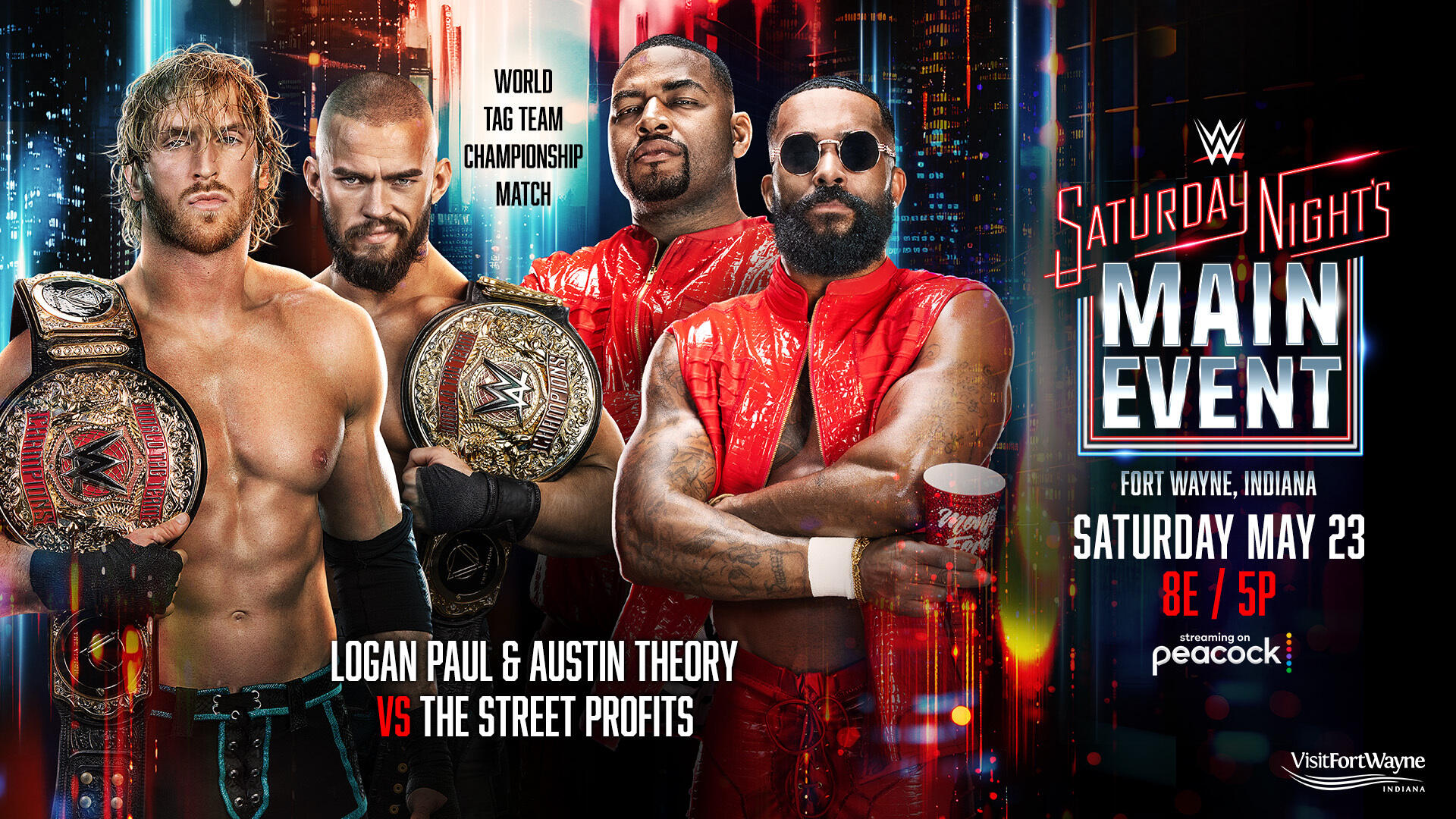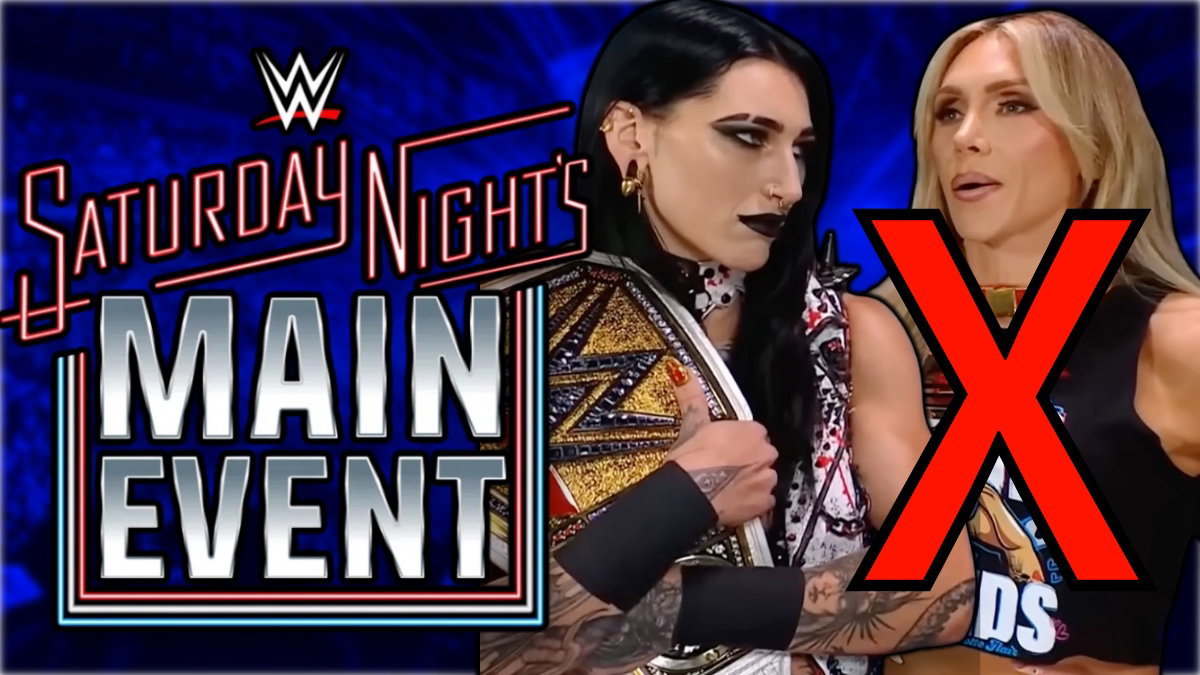
WWE is heading to Fort Wayne, Indiana. The Allen County War Memorial Coliseum isn't Allegiant Stadium. It isn't a global destination. It's a mid-western hockey arena that holds around 10,000 people. And that is exactly why this weekend's edition of Saturday Night's Main Event is so interesting.
After the bloat of WrestleMania 41 in Las Vegas and the immediate fallout at Backlash on May 9, WWE's creative team is staring down the dreaded summer build. They need a bridge. They need a television property that feels like a premium live event without giving away premium live event finishes. Enter SNME.
On May 23, WWE will present the latest edition of Saturday Night’s Main Event from the Allen County War Memorial Coliseum in Fort Wayne, Indiana. This show should hold some...
According to a recent report from WrestleTalk, WWE is planning seven specific changes to the presentation of this broadcast. We don't have the full list of tweaks yet, but the underlying motivation is obvious. Triple H and his production team are trying to differentiate network specials from standard episodes of Raw and SmackDown.
The Television Translation
If you watch how WWE shoots its major stadium shows versus a standard Monday night, the difference is mostly in the hard cam placement and the lighting rig. But SNME requires a different pacing. Network television demands commercial breaks, which inherently chop up the psychology of a 20-minute wrestling match.
When Cody Rhodes defends the WWE Championship, he uses a very traditional, Southern wrestling match structure. He wants to secure a headlock, get cut off by a heel tactic, and spend the next ten minutes selling a body part. He usually favors his left knee. If a commercial break interrupts that heat segment, the TV audience misses the micro-expressions that make Cody's selling work.
This is the core challenge for Saturday. WWE has to book matches that survive the formatting of broadcast television. You can't run a 30-minute psychological masterclass if you have to cut away for a fast-food ad every eight minutes. Expect shorter, sprint-style matches. Expect high-impact spots right before the break to hold viewer retention.
The Booking Stagnation
But let's be honest about the card. WWE is running out of runway with the current iteration of the Bloodline.
We just saw this entire apparatus dominate the build to WrestleMania 41. We saw the faction warfare at Backlash. Now, we are expected to care about another iteration of this family drama on a late-May television special in Indiana. It is getting repetitive. The matches follow the same exhausting script. A ref bump, a superkick, a staredown, and a run-in.
Triple H's booking has a serious flaw when it comes to pacing secondary storylines. He refuses to pivot. If a feud is scheduled to run until SummerSlam, he will drag it out with six-man tag matches and repetitive backstage segments until August. We are seeing that exact stalling tactic right now. The Bloodline segments are eating up a massive percentage of television time, and the in-ring product is suffering for it.
Think about the midcard. The Intercontinental and United States title scenes are supposed to be the workhorse divisions. When Saturday Night's Main Event was at its peak in the late 1980s, it was a showcase for the top stars to do something slightly out of character, or for a midcard talent to get a 10-minute showcase against a main eventer.
Right now, the roster is rigidly tiered. Main eventers only wrestle main eventers. Midcarders only wrestle midcarders.
If WWE actually wants to make this SNME feel fresh, they need to break their own booking rules. Put Cody Rhodes in the ring against someone like Carmelo Hayes. Give them 15 uninterrupted minutes. Let Hayes hit the First 48 and actually get a near-fall that the crowd believes in.
Instead, we are likely getting a heavily produced, risk-averse show. The production changes mentioned by WrestleTalk might make the screen look different, but unless the match layout changes, it is just a fresh coat of paint on a standard episode of SmackDown.
Let's look at the numbers. At Backlash, the average match length hovered around the 18-minute mark. That is far too long for a broadcast TV special. SNME needs urgency. Matches should end in under ten minutes if they aren't the main event. It creates chaos. It makes the product feel live and unpredictable.
Geometry and Ring Psychology
Let’s break down the in-ring mechanics we can expect. When you look at the current WWE roster, the influence of the independent scene from 2015 is undeniable. The sequence of strikes, the reliance on the Canadian Destroyer as a transition move, the mandatory dive to the outside before a commercial break—it is a formalized dance.
On a stadium show, those spots breathe. A dive to the outside at WrestleMania 41 had 60,000 people reacting. The camera pans wide, catching the sheer scale of the building. In the Allen County War Memorial Coliseum, the geometry changes. The hard cam is closer to the ring. The guardrails are tighter.
This should theoretically benefit the technical workers. A wrestler who works a grounded, submission-heavy style is going to look much better in a 10,000-seat arena than they do in a football stadium. The television viewer can actually see the facial expressions. They can see the torque on a wristlock.
If WWE is smart—and that is always a dangerous assumption—they will stack the undercard with guys who know how to work a tight, physical style. Give me Ilja Dragunov against Chad Gable. Let them spend twelve minutes throwing stiff forearms and working amateur takedowns. That style translates perfectly to a smaller building on television. It feels visceral.
But that brings us back to the booking constraints. Triple H is meticulously protective of his chosen top stars. The top of the card is heavily scripted. The agents lay out every single step.
There is a distinct lack of improvisation in the modern main event style. You can see the wrestlers calling the spots on camera, setting up the next sequence with zero attempt to hide it. It takes the viewer completely out of the match. When Cody Rhodes sets up the Cody Cutter, he bounces off the middle rope with a very specific, telegraphed motion. His opponent always has to stand perfectly still in the center of the ring, staring blankly, waiting to take the move.
It is the worst habit in modern professional wrestling. And it gets exposed on broadcasts like SNME, where the casual viewer might be flipping channels and stumbles upon a choreographed sequence instead of a simulated fight.
Manufactured Stakes
Let’s contextualize what Saturday Night's Main Event actually means in the history of this company. In the 1980s, it was the only time you saw Hulk Hogan wrestle on free television. It was an event. It had consequences. Titles changed hands. Major feuds started and ended on that broadcast.
Fast forward to 2026. Free television doesn't mean what it used to, and the concept of an exclusive appearance is dead in an era where the top stars are expected to cut a 15-minute promo on Monday, wrestle on Friday, and post on social media every day in between.
So how do you manufacture stakes?
You have to use the element of surprise. And that is the one tool Triple H refuses to use. Everything in his booking framework is telegraphed months in advance. We knew Cody was winning at WrestleMania 41 for a year. We knew the Backlash card before April even ended.
If SNME wants to matter, someone has to lose a title they aren't supposed to lose. A major star needs to take a clean pinfall in the middle of the ring. It is the only way to shock the system and train the audience that this particular television slot is mandatory viewing.
Imagine if a midcard champion drops their belt to an unexpected challenger in the opening match. It immediately sets a tone. The crowd in Fort Wayne would absolutely erupt. It changes the entire energy of the broadcast. The commentators don't have to fake their enthusiasm. They can legitimately sell the chaos.
But that requires a willingness to take a risk. It requires the creative team to step away from their meticulously planned spreadsheets for one night. Will they do it? Recent history says absolutely not. They will play the hits. They will hit their marks. They will fade to black right on schedule.
The Final Verdict
The seven changes teased by WrestleTalk need to address this presentation flaw. Changing the graphic packages or putting a different logo on the ring apron does not fix the fundamental issue. They need to change how the matches are shot. Move the handheld cameras closer. Cut the zooming on every single punch. Let the camera linger on the action instead of frantically cutting to a fan reaction every time someone hits a clothesline.
WWE has a bad habit of treating these specials as house shows with cameras. The babyfaces win, the crowd goes home happy, and nothing of consequence happens to the overarching storylines. They cannot afford to do that here. The post-WrestleMania lull is already setting in. If this show is just another vehicle to stall until the summer, the audience will tune out.
My prediction? The main event will feature Cody Rhodes. He will win. The Bloodline will stand tall on the ramp as the show goes off the air. It will be perfectly fine. But perfectly fine is a frustrating ceiling for a roster with this much raw talent.
Read Next
- WWE is leaning into the flag again and we all know why
- Why WWE desperately needs to bring back the house show loop
- Charlotte Flair Thinks The Becky Lynch Feud Is Just Beginning. It Shouldn't Be.
- Why Jimmy Hart just confirmed the quiet end of Hulk Hogan's WWE run
- 👑 Roman Reigns Return 2026 — The Tribal Chief