Measuring the transition from bell-to-bell to boardroom
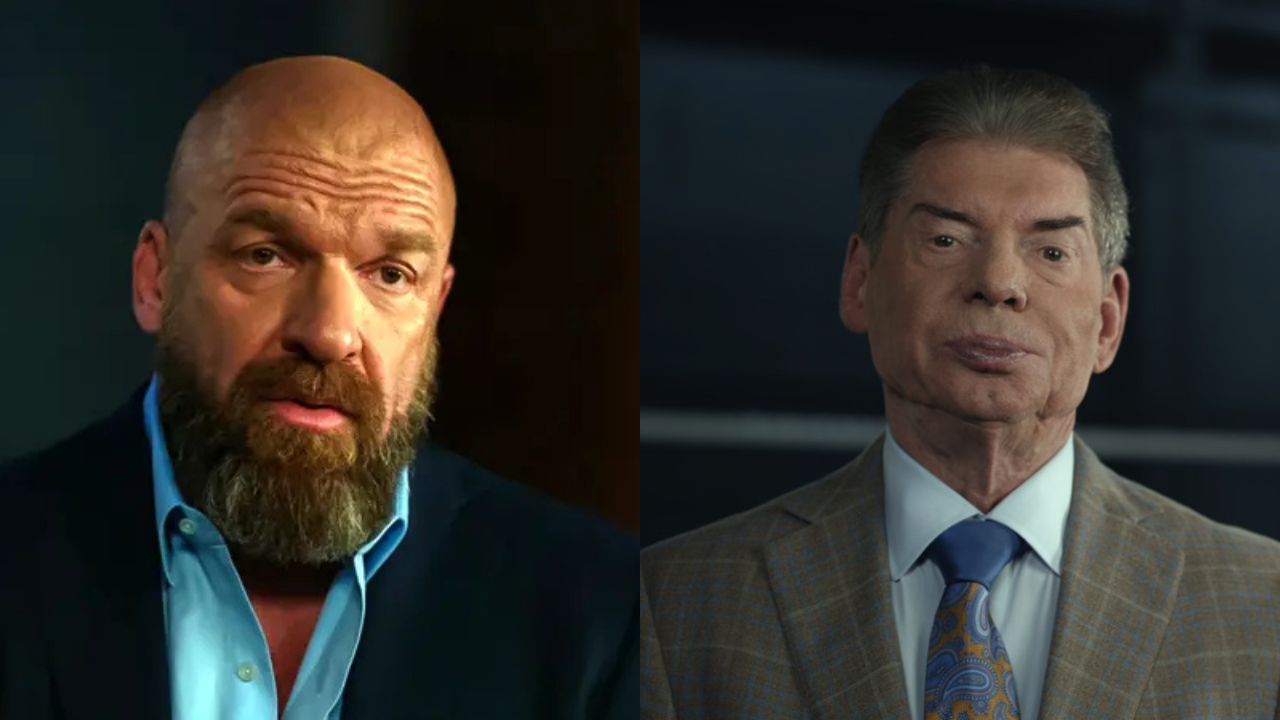
Paul Levesque’s career trajectory offers a rare look at the statistical shifts between physical exertion and high-level corporate oversight. For over two decades, his success was binary: wins and losses recorded in a ledger of 14 world championship reigns. As he pivots fully into his role as Chief Content Officer, the metrics of his evaluation have moved from pinfall retention rates to quarterly earnings call performance.
Defining success in the TKO era
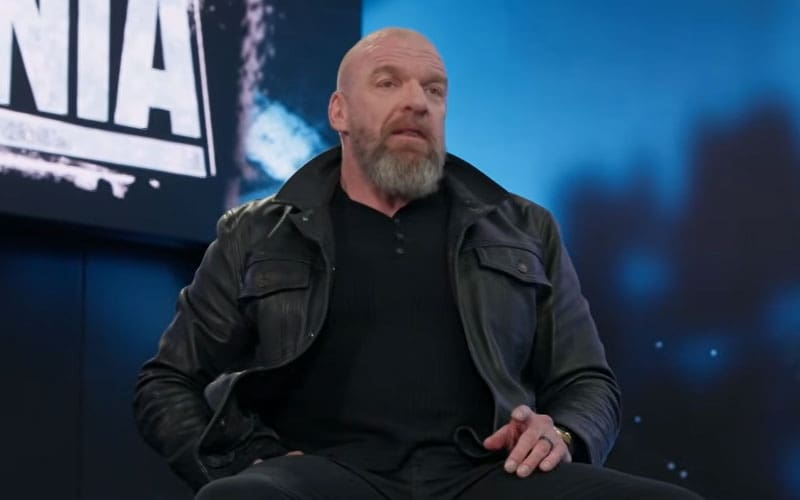
WrestleMania 41 approaches on April 19, serving as a primary case study for Levesque’s creative direction. His tenure as head of creative has emphasized long-form storytelling over the rapid-fire booking cycles seen in the mid-2010s. During his peak active years, match pacing was dictated by 8-minute television segments and 20-minute pay-per-view main events. Today, the TKO Spotlight discourse suggests that administrative success is now tied to viewer retention across a three-hour broadcast window.
The reality of executive output
Managing a roster of over 100 performers requires a starkly different skill set than managing a 15-minute sequence of high spots. Levesque’s transition involves balancing the expectations of shareholders with the volatile emotional output of a live audience. While he secured 5 major titles in the 2000s, his current challenge is maintaining year-over-year growth in premium live event subscriptions. The data suggests that individual wrestler win streaks are no longer the primary driver of engagement.
Where the strategy falls short
Despite the optimism surrounding this hierarchy, the rigid control of creative pathways can lead to stagnant character development. Critics have noted that characters often spend 6 to 9 months in holding patterns before seeing a meaningful push. This deliberate pacing reflects an executive preference for long-term arcs but occasionally sacrifices the immediate, visceral momentum that defined his own in-ring persona. The reliance on legacy stars to anchor the marquee slots for WrestleMania 41 indicates a hesitation to fully pivot toward fresh talent, a move that keeps the product safe but prevents the necessary churn of a competitive sports-entertainment brand.
Ultimately, Levesque is operating under the pressure of $1.3 billion in projected annual revenue, a number he never had to consider when he was simply looking for the safest way to land a Pedigree. The transition from being the protagonist of a story to the person deciding who gets to be one is not a seamless shift. He has essentially swapped the 3-count for the 10-Q filing, and the scrutiny applied to his decision-making process is now far less forgiving than the roar of the crowd at Madison Square Garden.