The Paperwork Finally Catches Up to Reality
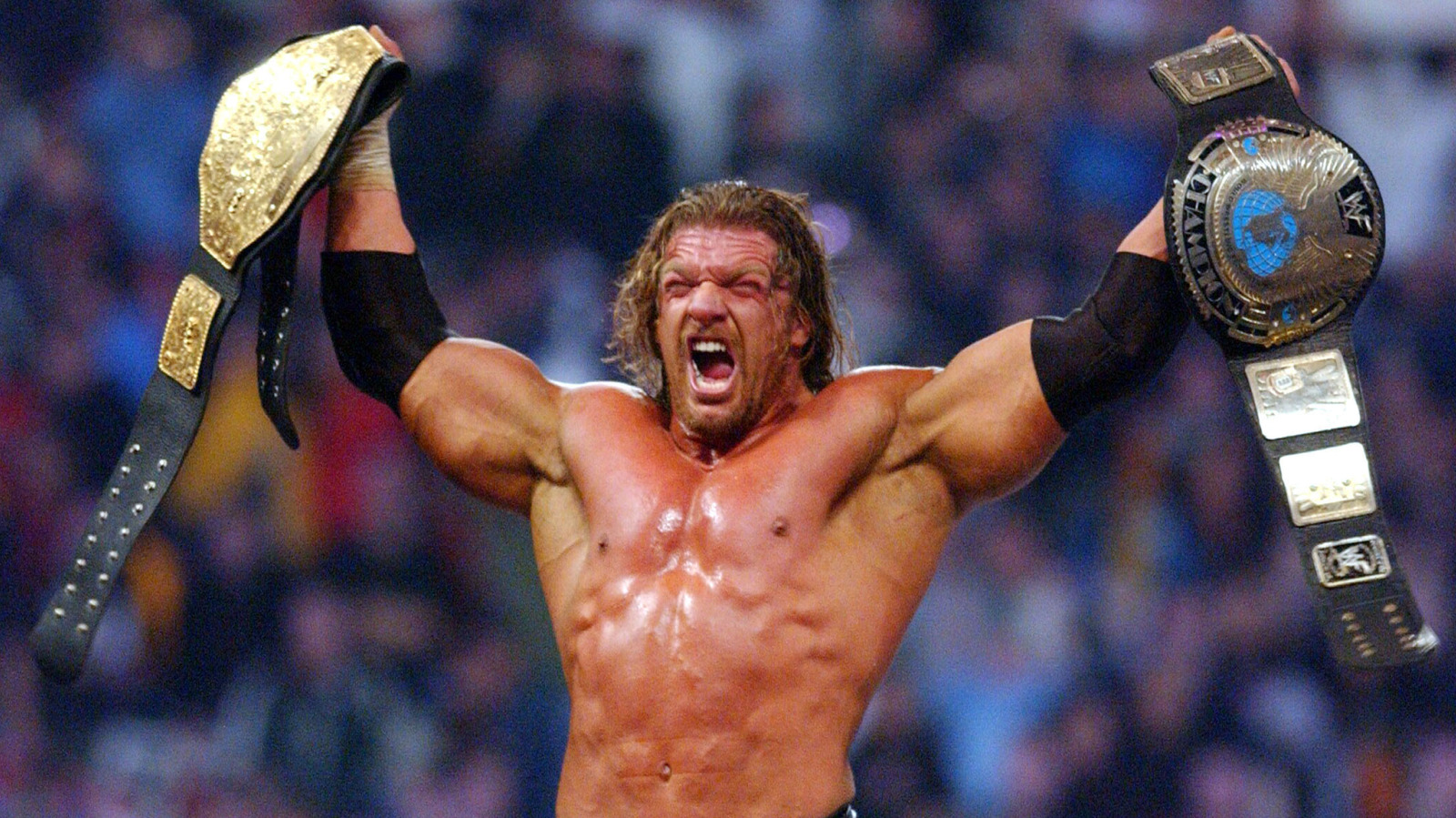
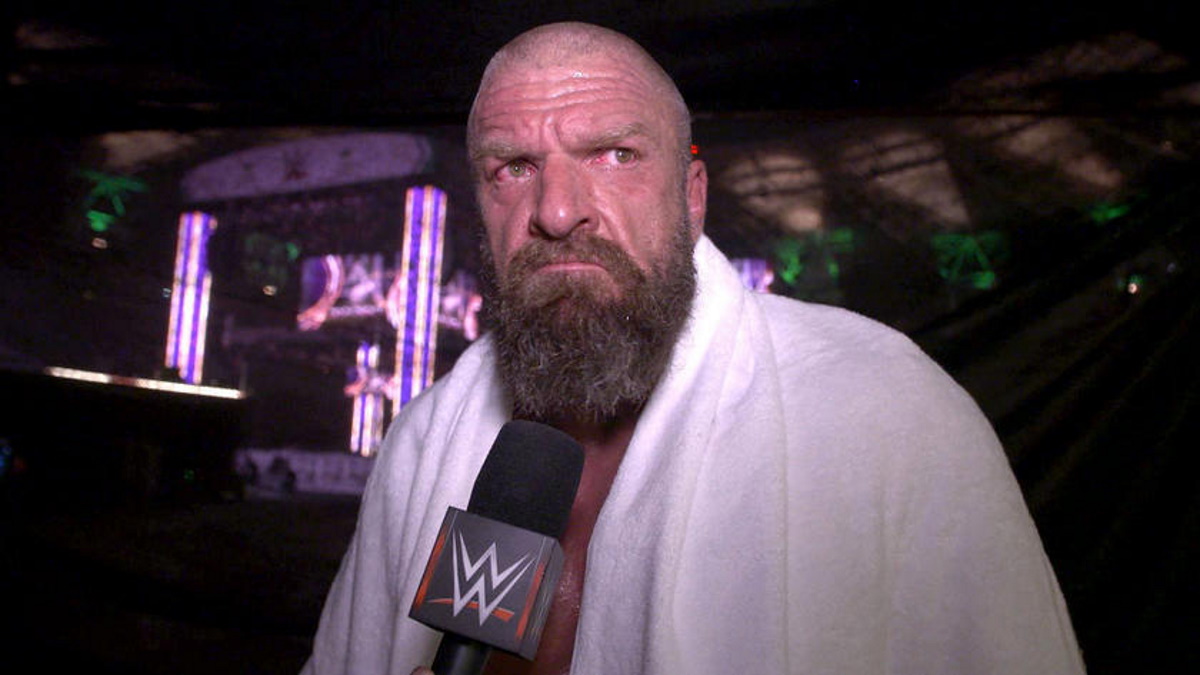
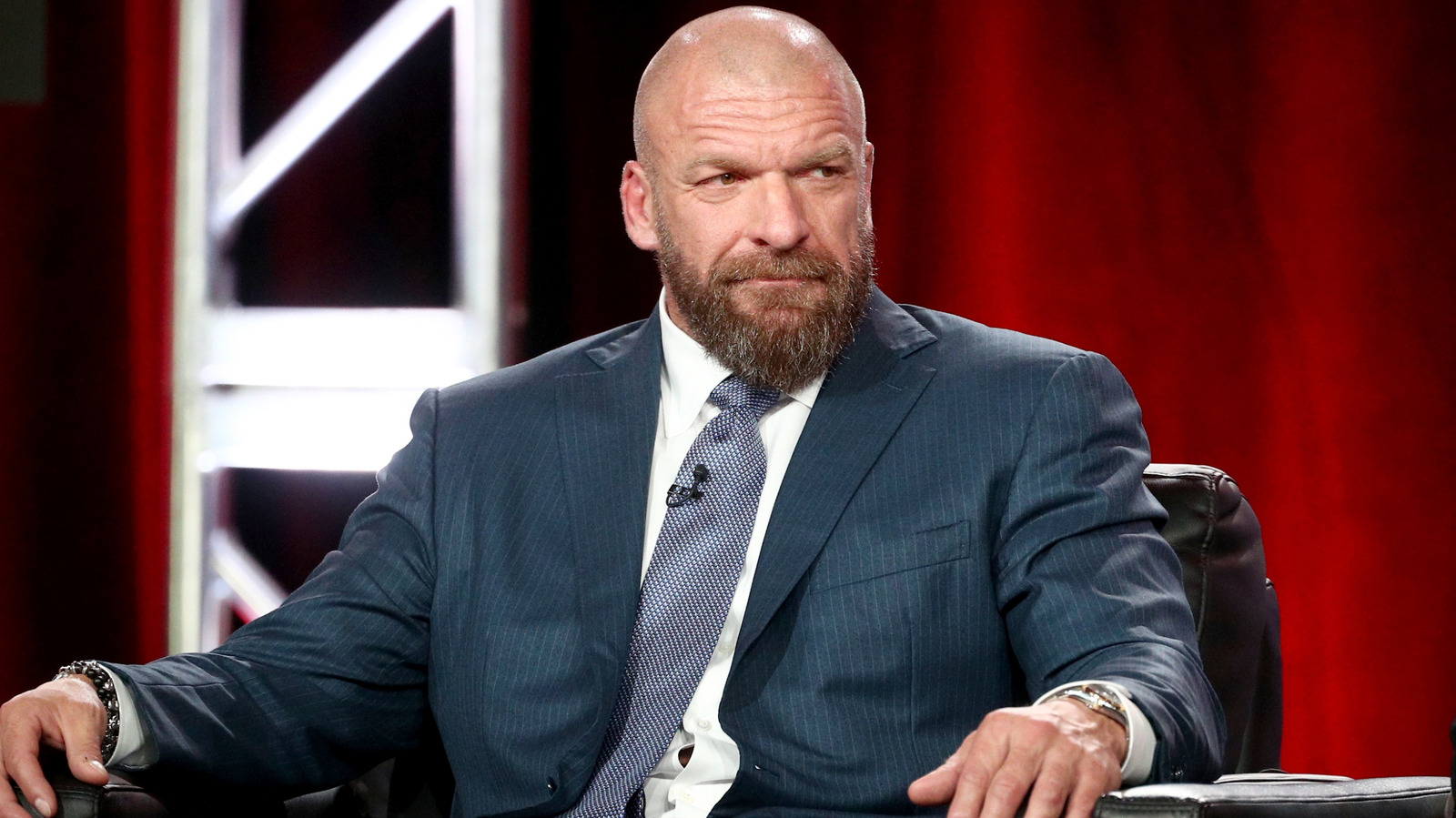
The administrative book is officially closed on the in-ring career of Paul Levesque. WWE has formally removed its Chief Content Officer, Triple H, from the internal active talent roster. The quiet clerical scrub took place earlier in May 2026, ending a bizarre four-year limbo where one of the most decorated champions in company history remained listed as an active combatant despite being medically retired.
For years, wrestling rosters have been notorious for administrative lag. Legends often remain on active lists for payroll, licensing, or video game licensing purposes long after their final match. But as Wrestling Inc reported, the front office has finally cleaned the slate. This marks the absolute end of the road for the creator of D-Generation X and the leader of Evolution. The boots are gone. The paperwork is filed. Triple H is officially off the active sheet.
The move is administrative, but the implications are physical. The reality is that Levesque has not taken a bump since a house show in Tokyo in 2019. His official retirement ceremony at WrestleMania 38 in 2022 was always the public finale. Now, the internal paperwork matches the public display. It is the final clerical signature on a legendary 30-year in-ring career.
The Medical Reality of the Cardiac Event
This roster removal is not a standard retirement. It is the direct consequence of a severe medical emergency. In September 2021, Levesque suffered a massive cardiac event triggered by viral pneumonia. The details that emerged later were terrifying. His heart was failing, and his ejection fraction dropped to a dangerous 12 percent during the crisis.
Surgeons quickly implanted a cardioverter-defibrillator in his chest to regulate his heart rhythm. That medical device changed everything. It turned a potential return to the ring from a long shot into an absolute impossibility. Taking a single dynamic back bump or absorbing a stiff chest chop could dislodge the leads or damage the unit, creating a life-threatening situation instantly.
We have seen wrestlers return from catastrophic career-ending diagnoses before. Edge beat spinal stenosis to main-event WrestleMania. Bryan Danielson overcame a history of severe concussions to wrestle 60-minute classics again. But those were structural and neurological issues that could be managed or healed. A chest-mounted defibrillator is a hard medical boundary that cannot be crossed. The front office knows this, and the roster update solidifies the permanent boundary.
WWE ID Implements a Hard Aesthetic Pivot
While the front office scrubs its past, it is aggressively restructuring its future. The company is actively enforcing strict presentation and name changes for prospects signed to its newly minted WWE ID program. The corporate developmental net is sweeping up top independent talent and immediately strip-mining their established brands.
As detailed by both Wrestling Inc and F4WOnline, the WWE ID initiative is no longer just a loose partnership. Wrestlers signing these developmental deals are now being forced to change their ring names and visual aesthetics immediately. They must do this while they are still actively competing on the independent circuit, long before they ever report to the WWE Performance Center in Orlando.
This is a major departure from the program's initial pitch to the wrestling community. When WWE ID was announced, it was framed as a support system for independent promotions and a way for top prospects to earn a WWE-backed developmental designation while maintaining their indie identity. Instead, it has quickly morphed into a pre-screening room where independent stars are stripped of their established personas and repackaged under WWE-controlled trademarks.
The Friction in the Independent Scene
The immediate enforcement of name changes has sent shockwaves through the indie locker rooms. Promoters who rely on established stars to sell tickets are now booking talent who suddenly sport unfamiliar, corporate-sanctioned names. The confusion hurts the local gates. If a fan buys a ticket to see a known champion and instead sees a generic, trademark-friendly moniker on the marquee, the drawing power evaporates.
There is also a massive financial downside for the wrestlers themselves. Independent talent make a significant portion of their income from merchandise sales. T-shirts, 8x10 prints, and custom gear all feature their established indie names. Forcing a name change on the indies destroys their pre-existing merch loops, forcing them to start from scratch without the benefit of a WWE television contract or main-roster downside guarantee.
This is a cold, calculated business decision. By enforcing these changes early, WWE ensures that no talent can use the WWE ID platform to build an independent brand that they could later take to a rival promotion like AEW. If they want the WWE stamp of approval, they must surrender their intellectual property immediately. It is a highly effective way to gatekeep the talent pool, but it risks sterilizing the very indie promotions WWE claims to support.
The Strategic Shift of the TKO Era
These two moves—scrubbing Triple H from the active roster and locking down WWE ID talent—are part of the same corporate strategy. Under the TKO Group Holdings banner, WWE operates with the cold efficiency of a major sports league. The old days of Vince McMahon running the roster on gut feelings and handshake agreements are dead. Today, everything is about intellectual property, risk mitigation, and absolute control.
Removing retired wrestlers from the active roster is a basic housekeeping requirement for a publicly traded company. It prevents administrative bloat and ensures that the internal talent list accurately reflects who can actually perform. It also protects the company from potential insurance and liability issues. If a retired executive is technically listed as an active wrestler, it complicates the corporate insurance policies that govern physical performers.
On the other end, the WWE ID changes are a pre-emptive strike against competitors. It is designed to ensure that the next generation of stars is fully owned by WWE before they even reach national television. If a prospect gets over on the indies under a WWE-owned name, WWE owns that traction from day one. It is a brilliant strategy for corporate dominance, but it leaves independent wrestling gasping for air.
The wrestling scene has always relied on the chaotic, unscripted nature of the indies to produce the next great innovators. Trying to corporate-manage that developmental process before wrestlers even reach the major leagues is a dangerous experiment. WWE may successfully lock down the talent pool, but they risk draining the creative well dry in the process.