The kayfabe curtain pulled back, again
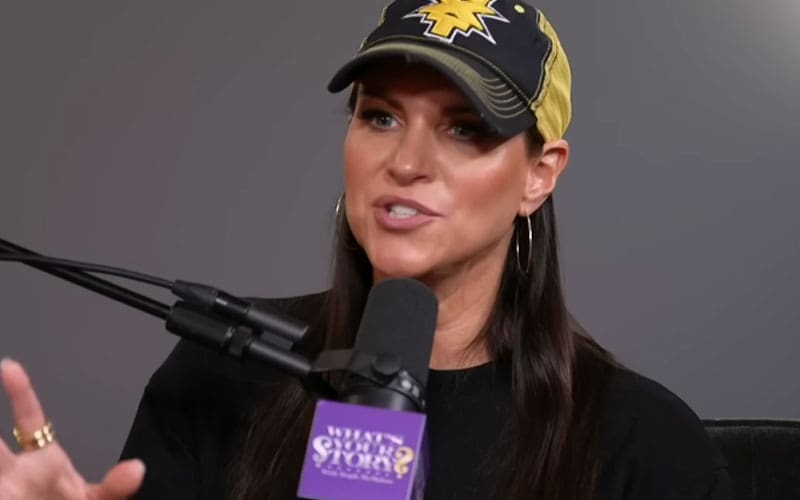
Look, I get it. We all love a good backstage peek. WWE is currently leaning hard into the nostalgia machine, with Triple H and Stephanie McMahon discussing the early days of their relationship. It is the kind of content that fills the downtime between NWA losing its streaming slot and the actual start of the Backlash buildup. It is glossy, it is scripted, and it is exactly what you expect from a company that has spent years refining the narrative of its own history.
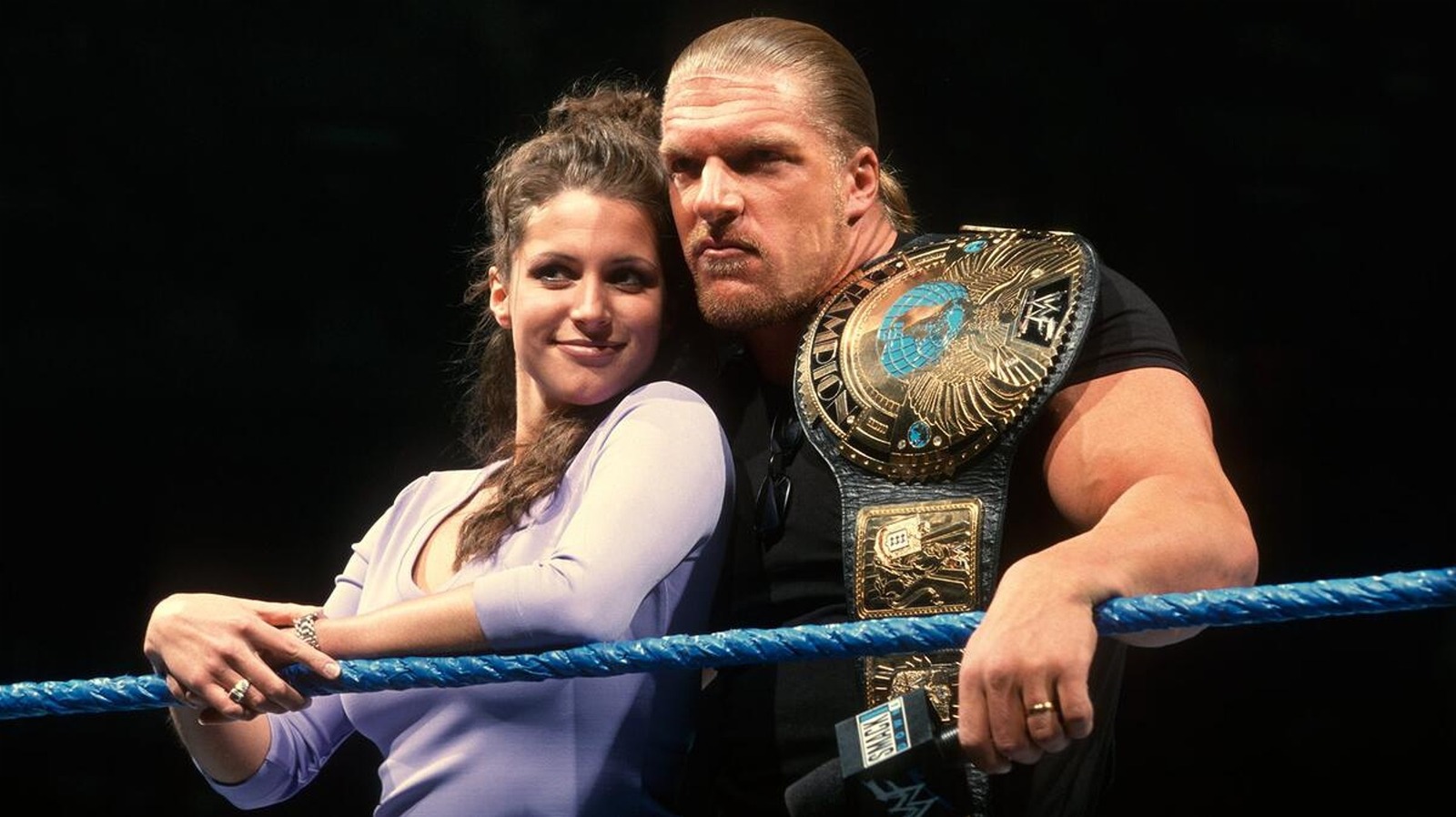
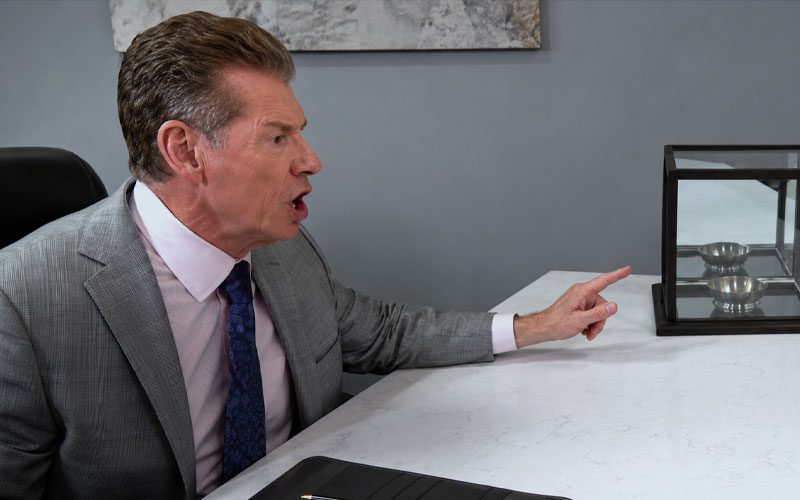
We are talking about a timeline that stretches back to the late nineties, an era where the lines between the TV show and reality were thinner than a single-ply wrestling mat. They talk about the courtship, the infamous onscreen wedding, and the weird, tangled web of Authority storylines that followed. It is fascinating only if you ignore the fact that the entire industry was a burning building during that period. You have to remember the context: this was during a time when Vince McMahon was actively turning his family's personal dynamics into prime-time ratings bait.
The strange reality of the McMahon-Helmsley Era
Let’s be honest for a second. The McMahon-Helmsley Era wasn't just a gimmick; it was a hostile takeover of the main event scene. Watching those clips from 1999 and 2000, you realize how bizarre it is to look back at two people trying to build a career while simultaneously being booked into a surrealist soap opera. Triple H came in as the guy running through DX and building a legacy as a workhorse, but he ended up defined by that marriage to the boss's daughter. It changed the entire trajectory of the company.
You can see the influence in the way modern wrestling is consumed, too. Fans today spend half their time on Reddit dissecting 'who is actually in charge' or 'who really booked this finish' instead of just watching the match. Triple H and Stephanie were the prototypes for the meta-wrestling era. They lived the story, blurred the lines, and made us wonder where the work ended and the shoot began. It was a 365-day-a-year commitment to the bit that eventually became their real lives.
The missed opportunity for real storytelling
Here is where I get critical, though. For all the talk of 'the beginning,' these retrospectives always feel toothless. They want us to see the romance, the power couple, and the shared vision for the industry. They gloss over the actual tension that existed in the locker room while the guy who worked the hardest matches was suddenly holding the hand of the woman with the power. People forget that guys like Steve Austin or The Rock were carrying the business while the backstage power dynamics shifted under their feet.
Did anyone think about the irony of the guys dropping the 15-minute draw on Raw while the boss’s daughter was busy cutting promo spots with her future husband? It wasn't always a smooth ride, and it definitely wasn't just a fairy tale. The growth of Triple H from 'DX guy' to 'NXT mastermind' is a hell of a story, but these nostalgic recaps treat the early years like a WWE 24 documentary produced by the marketing department. It lacks the grit that made us love the business in the first place.
Why this matters for your group chat
So why are we still talking about this? Because wrestling fans love an origin story more than anybody. Even after the NWA deal imploded, people act like the history of the sport is the only thing keeping the lights on. Triple H and Stephanie are now essentially the caretakers of the kingdom they helped build, but they are also the primary architects of the way we view the modern corporate structure of sports entertainment.
Think about the state of the product heading into Backlash. We are obsessed with the 'creative' side of things because Paul Levesque (Triple H) spent years convincing us that his process matters. He turned his personal history into a roadmap for how we expect the company to run today. It is a brilliant piece of business, even if it is sometimes exhausting. We are all essentially hooked on a soap opera that has been running for 25 years straight.
The final take
Ultimately, these interviews are the equivalent of a victory lap. They get to define how we remember the era, erasing the clunkier moments and focusing on the polished highlight reel. Do not get me wrong; I respect the grind. Triple H earned every bit of his success by being one of the best bad guys of his generation. But let’s not pretend it was just a simple workplace romance. It was a power shift that changed the very structure of the industry.
Watch the clips, enjoy the nostalgia, but keep that healthy skepticism handy. When you look at the landscape of 2026, you realize that the most enduring story isn't the one they told on TV in 1999. It is the story of how they took the messy, volatile, chaotic environment of professional wrestling and found a way to package it into something that lasts forever. Whether that is a good thing for the quality of the wrestling itself? Well, that is a debate for the bar, preferably with a cold beer and a lot of volume.