The foundation of a wrestling empire
The most powerful duo in professional wrestling once had to sneak around like terrified teenagers.
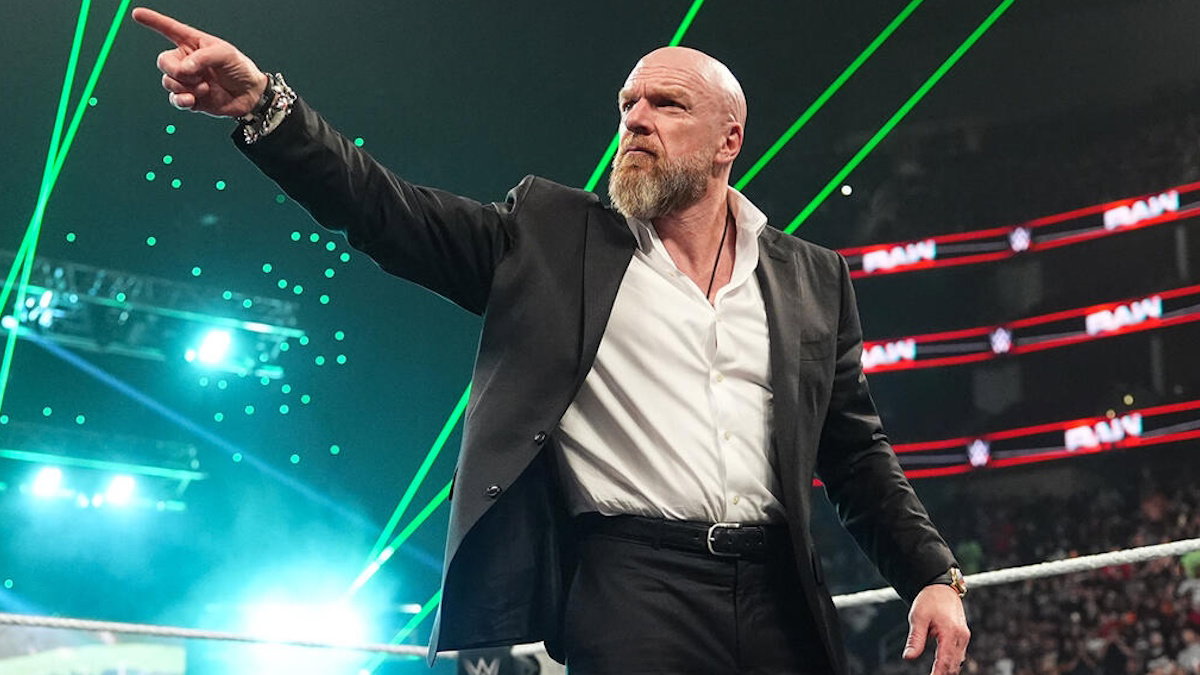
It is a completely jarring image. Paul Levesque and Stephanie McMahon currently dictate the creative direction of a multi-billion dollar global sports entertainment entity. They are the architects of the modern WWE. Yet, in a recent reflection on their early days, they admitted they initially struggled with a very ordinary problem: hiding their relationship from their mothers.
It is a deeply humanizing detail. It strips away the corporate veneer of boardrooms and stock prices. It removes the menacing aura of the legendary McMahon-Helmsley Faction. Before the hostile takeovers and the endless twenty-minute show-opening promos, they were just two people anxious about parental disapproval.
This revelation arrives at a fascinating juncture for the industry. WWE is marching rapidly toward Backlash on May 9, 2026. The company is riding a sustained wave of critical and commercial momentum. The creative control rests firmly in Levesque's hands, and the product reflects his distinct sensibilities.
The ghost of the Authority era
To understand how we arrived at this current golden era, you have to look back at the origins of that partnership. The on-screen marriage in late 1999 permanently blurred the lines of reality. It was highly controversial. It was incredibly messy behind the scenes. It also fundamentally altered the power structure of the entire business.
When you watch the current product, Levesque's fingerprints are obvious. The deliberate pacing of the television shows. The heavy emphasis on long-term storytelling. The careful protection of finishing maneuvers. These are the hallmarks of a man who learned the intricacies of the business by living it, both inside the ring and in private strategy sessions with his wife.
But the journey to this point was definitely not always smooth. The Authority era of the mid-2010s remains a glaring dark spot on their joint resume. For years, weekly television was completely suffocated by their omnipresence.
Stephanie routinely dressed down top stars who were never allowed to script a rebuttal. Levesque continuously inserted himself into massive main events well past his physical prime. It was a structural disaster. It prioritized executive ego over roster development. They essentially booked themselves as the insurmountable final bosses of a video game where the player was rarely allowed to actually win.
That era severely damaged the drawing power of several promising talents. It was an exercise in vanity that alienated a huge portion of the hardcore fanbase.
The post-WrestleMania shift
Thankfully, they seem to have learned a painful lesson from that massive misstep. The current iteration of WWE television is the exact antithesis of The Authority. The executives intentionally stay in the background. The talent is the focal point.
This shift in philosophy is the driving force behind the success of the current roster. Cody Rhodes is heavily featured as the WWE Champion heading into Backlash. He feels like a genuine, larger-than-life superstar because the corporate machine is entirely behind him, rather than competing with him for valuable screen time.
The Bloodline saga continues to unfold with measured, almost agonizing precision. Roman Reigns remains a massive looming presence over the entire roster. The storytelling is remarkably patient. It is methodical. It is exactly the kind of booking that a young Triple H would have thrived under during his peak run in 2000.
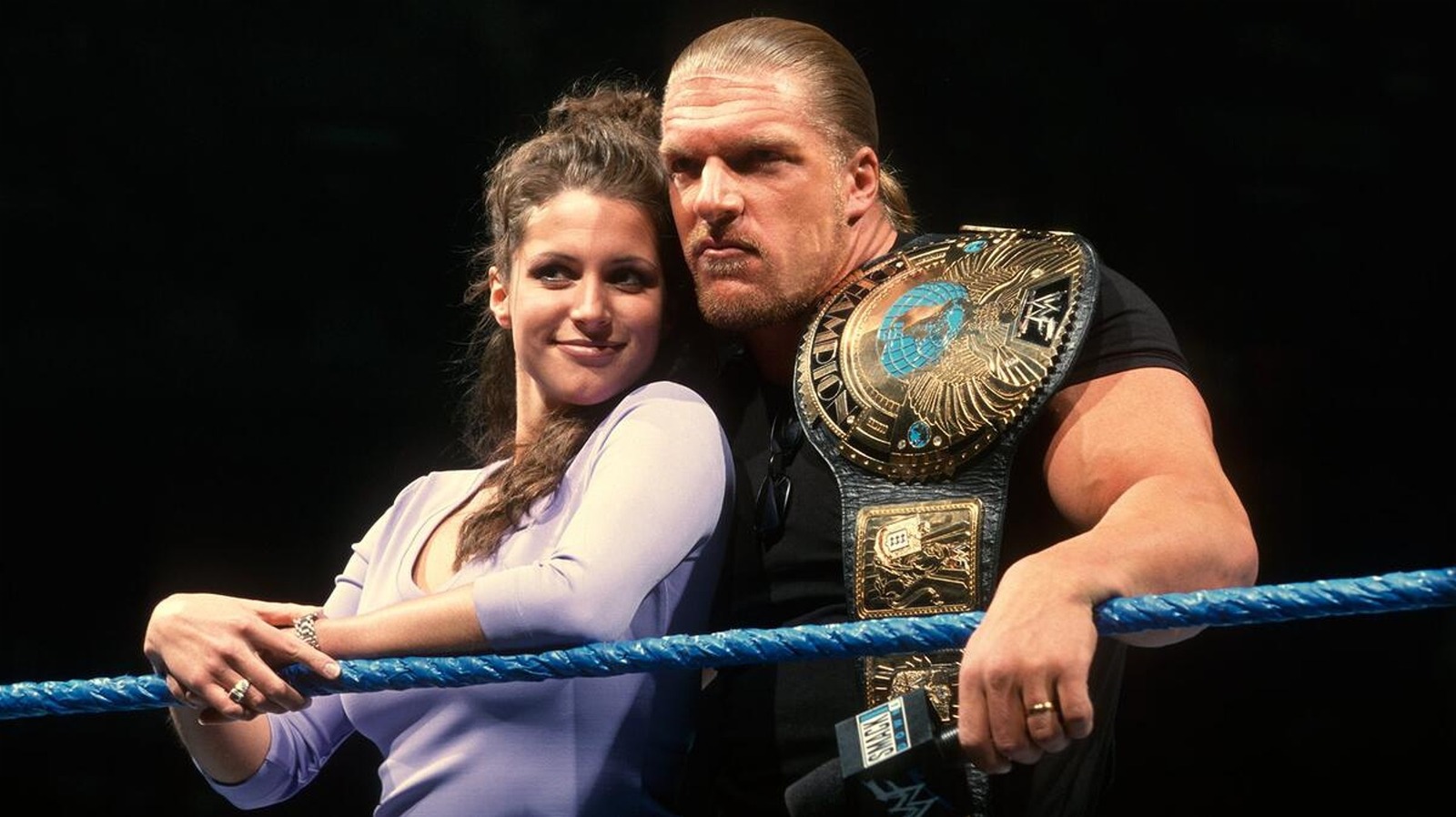
Consider the year 2000. It is widely regarded as one of the greatest years in the history of the company, both creatively and financially. At the center of the storm was the McMahon-Helmsley regime. The on-screen pairing was pure, unfiltered venom.
Levesque was performing at an unparalleled physical level. His matches with Cactus Jack at the Royal Rumble and No Way Out were brutal, visceral masterpieces. They legitimized him as a violent, unrepentant villain who could back up every arrogant claim.
But it was Stephanie's ringside presence that completed the act. She was an absolute heat magnet. Her entitled demeanor, her perfectly timed interferences, and her uncanny ability to draw the ire of the crowd were a tactical nightmare for babyfaces like The Rock and Steve Austin.
Stakes for the summer
They understood the assignment perfectly. The primary goal was to make the audience desperately want to see them suffer physical harm. Every shortcut they took, every screwjob they orchestrated, was designed to build massive anticipation for their eventual, bloody downfall.
This required a massive amount of trust between the two performers. They were constantly feeding off each other's energy. They were calling audibles in the ring based on the live crowd's reaction. You do not develop that kind of seamless chemistry without a profound off-screen connection.
It is amusing to think that while they were inciting near-riots in arenas across the country, they were privately stressing out about what their mothers thought of their budding romance. It highlights the bizarre duality of professional wrestling. You are an untouchable god to millions of fans, but still a vulnerable child to your parents.
You can trace a direct line from those early days of sneaking around to the current corporate structure. Their partnership was forged in the chaotic fires of the Monday Night Wars. They navigated the vicious backstage politics of a locker room that was inherently suspicious of the boss's daughter dating the top heel.
They had to rely entirely on each other. That insular trust built an impenetrable wall. It allowed them to eventually consolidate power. It survived the transition away from Vince McMahon's total, tyrannical control.
Now, as we look toward Backlash, the stakes are completely different. It is no longer about proving themselves to a skeptical locker room. It is no longer about hiding from their mothers. It is about maintaining the fragile trust of an audience that has been burned by bad booking before.
The post-WrestleMania season is historically a creative lull. The grand, sweeping storylines have concluded. The immediate rematches can often feel obligatory and flat. Backlash is the first real test of the new creative cycle.
Can Levesque and his team maintain the incredible momentum generated in Las Vegas? The roster is loaded with talent, but the expectations are astronomically high. Every single booking decision is scrutinized by an increasingly savvy, internet-literate fanbase.
The match quality in the ring has never been better. The athletes are spectacular. But professional wrestling is fundamentally an emotional manipulation business. You need the audience to care deeply about the predetermined outcome. High-spots are meaningless without emotional stakes.
The prediction
This is where Levesque truly excels. He understands the mechanics of heat. He understands the delayed gratification of a massive babyface triumph. He learned these lessons while working alongside the greatest minds in the industry, and arguably, while strategizing with his wife away from the prying eyes of their families.
Their early relationship was a massive gamble. If it had failed, the professional fallout would have been catastrophic for both of their careers. The locker room would have revolted. The fact that it not only survived but became the bedrock of the entire company is a remarkable piece of wrestling history.
It is easy to forget the sheer audacity of their early days. The drive-through wedding in Las Vegas broadcast on national television. The subsequent real-life marriage. The seamless blending of absolute fiction with absolute reality.
They took the concept of working the boys to a completely different stratosphere. They manipulated the audience, the roster, and perhaps even themselves, into believing the narrative they were aggressively selling.
Heading into Backlash, we are seeing the mature, refined version of that early chaotic energy. The storytelling is highly structured. The surprises are earned through months of groundwork, not thrown out strictly for cheap shock value.
We will see Cody Rhodes defend his title. We will see the fallout from the latest Bloodline fractures following WrestleMania 41. We will see a roster that is largely happy, motivated, and pulling in the exact same direction.
This unprecedented stability is a direct result of the unified front presented by the Levesque-McMahon partnership. They are the adults in the room now. The days of hiding their relationship are decades in the rearview mirror.
My prediction for Backlash? Cody Rhodes will retain the WWE Championship in a grueling, physically punishing main event. The match will easily cross the twenty-minute mark. But the real story will be the post-match angle. I expect a massive return or a violent betrayal that instantly sets the stage for the summer schedule. The booking will be logical. It will be telegraphed just enough to make sense upon second viewing, but executed with flawless, brutal precision. Because that is the established hallmark of the current regime.