The Architect's Blueprint Under Corporate Gaze
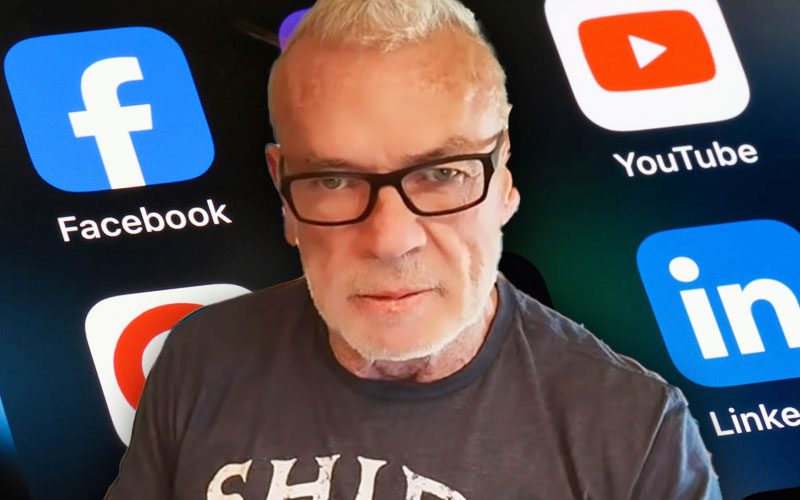
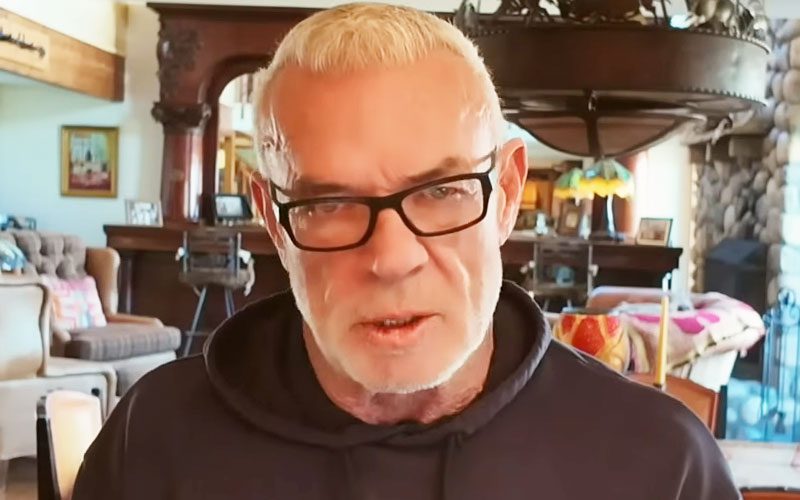
The road to WWE Backlash 2026 is paved not just with anticipated clashes inside the ring, but with the weighty opinions of veterans dissecting the very foundations of the company's creative direction. Eric Bischoff, never one to shy from controversy, has been particularly vocal, offering insights that paint a fascinating, if sometimes troubling, picture of the current state of affairs in professional wrestling.
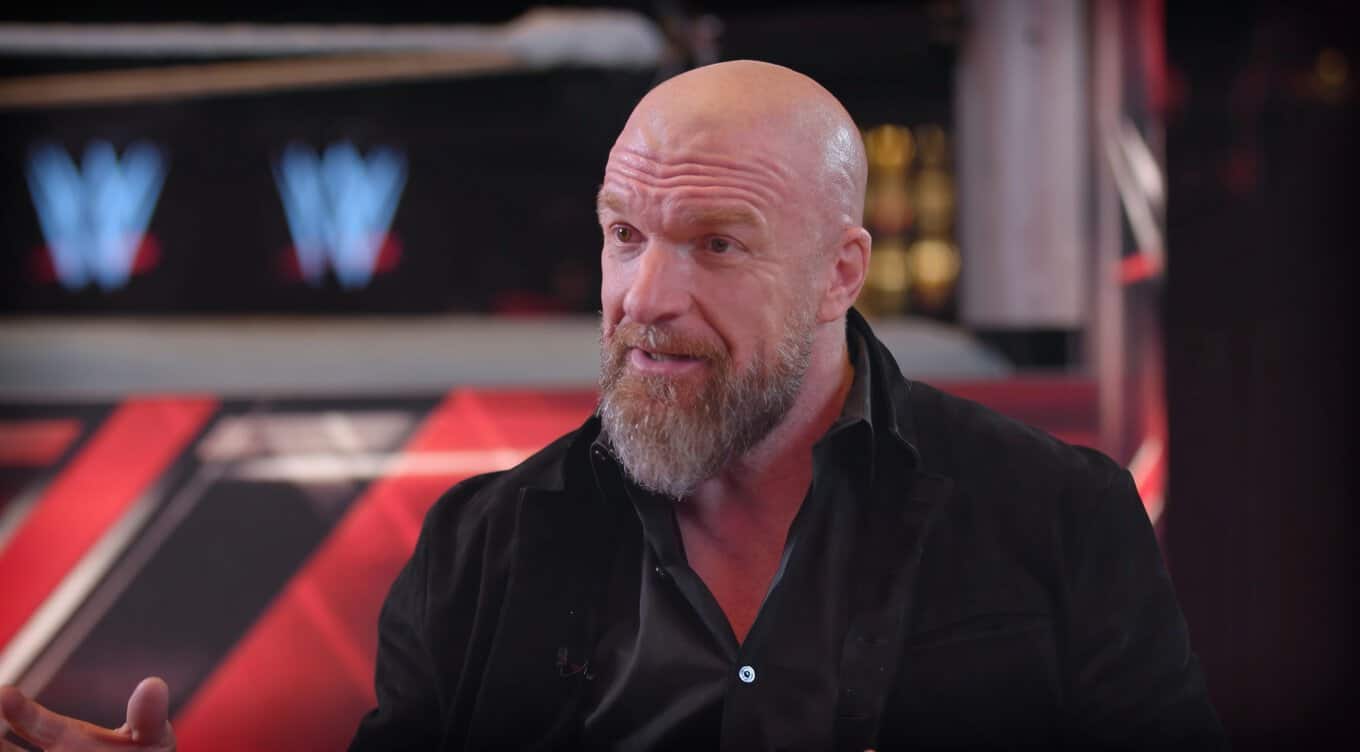
His recent remarks about Triple H's security within WWE, despite the specter of TKO creative interference, strike at the heart of fan concern. Is the product truly 'The Game's' vision, or are unseen corporate hands pulling the strings? This question looms large as we approach the next premium live event, shaping expectations for the kind of wrestling we’re about to see.
Triple H's Tightened Grip, Or Just A Leash?
Bischoff asserts that Triple H’s position is more secure now than it was even two years ago, a declaration that might surprise those who closely track the corporate machinations of TKO. This isn't merely about job security; it’s about the autonomy to steer the creative ship.
Yet, the very existence of discussion around 'TKO creative interference' suggests a friction that is rarely beneficial to long-term storytelling. Professional wrestling thrives on a singular, unwavering creative vision. Any perceived meddling, whether from a boardroom or an absentee executive, risks diluting the product and alienating a deeply invested fanbase.
The current state of main event narratives, particularly those involving the Undisputed WWE Championship picture, often feels as though it’s being pulled in multiple directions. While Triple H has certainly brought a refreshing dynamism to the product, the question remains: is he truly a free agent, or is he navigating a complex web of corporate mandates?
Fans, myself included, will be watching Backlash not just for match outcomes, but for subtle clues about this creative power struggle. Are new champions being crowned to push a corporate agenda, or are these decisions born from a pure wrestling perspective?
The Unforgiving Spotlight on Character and Creativity
Beyond the executive suite, the discussion shifts to the wrestlers themselves – their characters, their struggles, and their financial success. Bischoff has offered pointed critiques, particularly regarding talent whose on-screen personas have failed to connect, while Mark Henry has celebrated the unprecedented earnings of today's stars.
Aleister Black's Lingering Shadow
Remember Aleister Black? Bischoff believes Black’s biggest problem wasn’t a lack of talent, but rather his own character. This isn't an isolated incident; it’s a recurring theme in modern wrestling where compelling in-ring skill is often overshadowed by an inability to evolve a persona beyond its initial concept.
Paul Heyman, a renowned creative genius, reportedly championed Black, recognizing his potential. Yet, even with such powerful backing, a character that becomes too rigid, too locked into one version of itself, can quickly become stale. This serves as a critical warning to current talent: innovation in character is as vital as innovation in the ring.
The Wyatt Sicks Misstep: A Cautionary Tale
Perhaps no recent creative venture underscores this challenge more acutely than the ill-fated Wyatt Sicks concept. Bischoff didn't mince words, stating it failed because it simply couldn’t match the ethereal connection fans had with Bray Wyatt himself.
This is a brutally honest, if disheartening, assessment. The legacy of a truly unique character, especially one as deeply personal as Bray Wyatt’s, cannot be replicated or merely continued. It requires a fresh, authentic vision, not a pale imitation. The attempt to force a new iteration highlights a fundamental misjudgment in understanding the emotional investment fans have in certain performers and their art.
The failure of such a highly anticipated, albeit posthumous, storyline raises questions about the ability of current creative teams to handle complex, long-term narratives with the necessary nuance. It’s a harsh truth, but sometimes, a story simply needs to end.
Mark Henry's Millions and the Modern Wrestler
In stark contrast to these creative struggles, Mark Henry offers a refreshing perspective on the financial realities for today’s WWE stars. He proudly shared that two particular talents he’s mentored are now making more money than he ever did.
This isn't just a feel-good anecdote; it speaks volumes about the increased earning potential and broader reach available to performers in the current era. Despite the creative hurdles and corporate oversight, the business of professional wrestling is booming, offering unprecedented opportunities for those who can connect with the audience and navigate the backstage politics.
It’s a powerful juxtaposition: creative frustrations coexisting with undeniable financial success. The challenge for WWE is to ensure the creative product matches the economic growth, giving these highly paid stars compelling material worthy of their considerable talent.
The Roar of the Crowd, The Bite of the Critics
The interaction between the wrestling product and its audience has never been more intense, or more immediate. Social media has amplified every cheer, every boo, and every critical take. Veterans like Bischoff understand this dynamic well, and he hasn't shied away from confronting the vocal minority.
Bischoff's Blunt Assessment of Bully Ray Backlash
When Bully Ray faced backlash for his comments on WWE talent releases, Bischoff’s response was characteristically direct. He labeled critics as “mentally and emotionally stunted,” a phrase guaranteed to ignite further debate. While certainly provocative, his statement highlights a frustration common among industry veterans: the chasm between insider perspective and fan expectation.
There's a constant tension between wanting wrestling to be "real" and understanding it as a choreographed performance. When a fan becomes too entrenched in a narrative, or too personally invested in a performer's perceived struggles, the line blurs. Bischoff’s comments, though harsh, underscore the need for a more nuanced understanding of the business from all sides.
It also reminds us that not every behind-the-scenes decision is going to be popular. Sometimes, hard choices are made for business reasons that fans, by their very nature, are not privy to. The reaction to Bully Ray’s remarks, and Bischoff’s subsequent defense, is a microcosm of the larger, ongoing debate about what fans are owed versus what the company needs to do.
The Echoes of Return: What a Comeback Signifies
Amidst all the discourse about creative control and character work, the whispers of potential returns always add another layer of intrigue. Lacey Evans, absent from WWE television for nearly three years, has hinted at an in-ring comeback, a development that could either refresh the women's division or highlight its existing depth issues.
Lacey Evans: A Wild Card Returns?
A return from someone like Lacey Evans, who last competed in WWE in early 2023, is always a double-edged sword. On one hand, it adds a familiar face and potential new rivalries to the roster. On the other, it begs the question: is a returning talent filling a necessary void, or is it a sign that the current roster lacks compelling new stars?
For Backlash, and beyond, the women’s division needs consistent, robust storytelling. A return can be impactful if it serves a clear narrative purpose, rather than just being a short-term pop. Fans will be looking for a Lacey Evans who has evolved, both in persona and in-ring presence, to truly make a splash.
The Confident Call: Triple H's Unfinished Symphony
The state of affairs in professional wrestling, as dissected by the likes of Eric Bischoff and Mark Henry, is one of constant evolution, internal friction, and undeniable star power. As we gear up for WWE Backlash 2026, the real story isn't just about who wins or loses in the ring, but about the continuing battle for creative authenticity and control. The voices of veterans, sometimes critical, sometimes commending, provide the crucial context for understanding the subtle shifts in power and philosophy.
Despite the persistent chatter of TKO interference and the past missteps in character development, I’m making a confident call: Triple H’s vision, while perhaps not entirely unfettered, will continue to solidify its grip on WWE’s creative direction. We will see a product at Backlash that largely reflects his long-term strategy, prioritizing in-ring action and character progression, even if some corporate-driven narratives occasionally punctuate the storytelling.
The challenges of bringing unique characters to life, as seen with Aleister Black and the Wyatt Sicks, will remain, but the foundational pieces of a strong, compelling product under his leadership are firmly in place. Expect Backlash to be a definitive statement of intent from a creative team that, despite its critics, is still striving to deliver a powerful, engaging show for a demanding audience.
Read Next
- Gunther just ended Cody Rhodes’ honeymoon phase in the most brutal way possible
- Kairi Sane and the high-stakes chess game of 2026 free agency
- WWE Backlash 2026 needs more than just mid-card filler
- Ricky Saints just crashed Cody Rhodes' return and completely altered Backlash
- 💥 WWE Backlash 2026 — Full Coverage Hub