A Legacy Forged in Boardrooms and Bloodlines
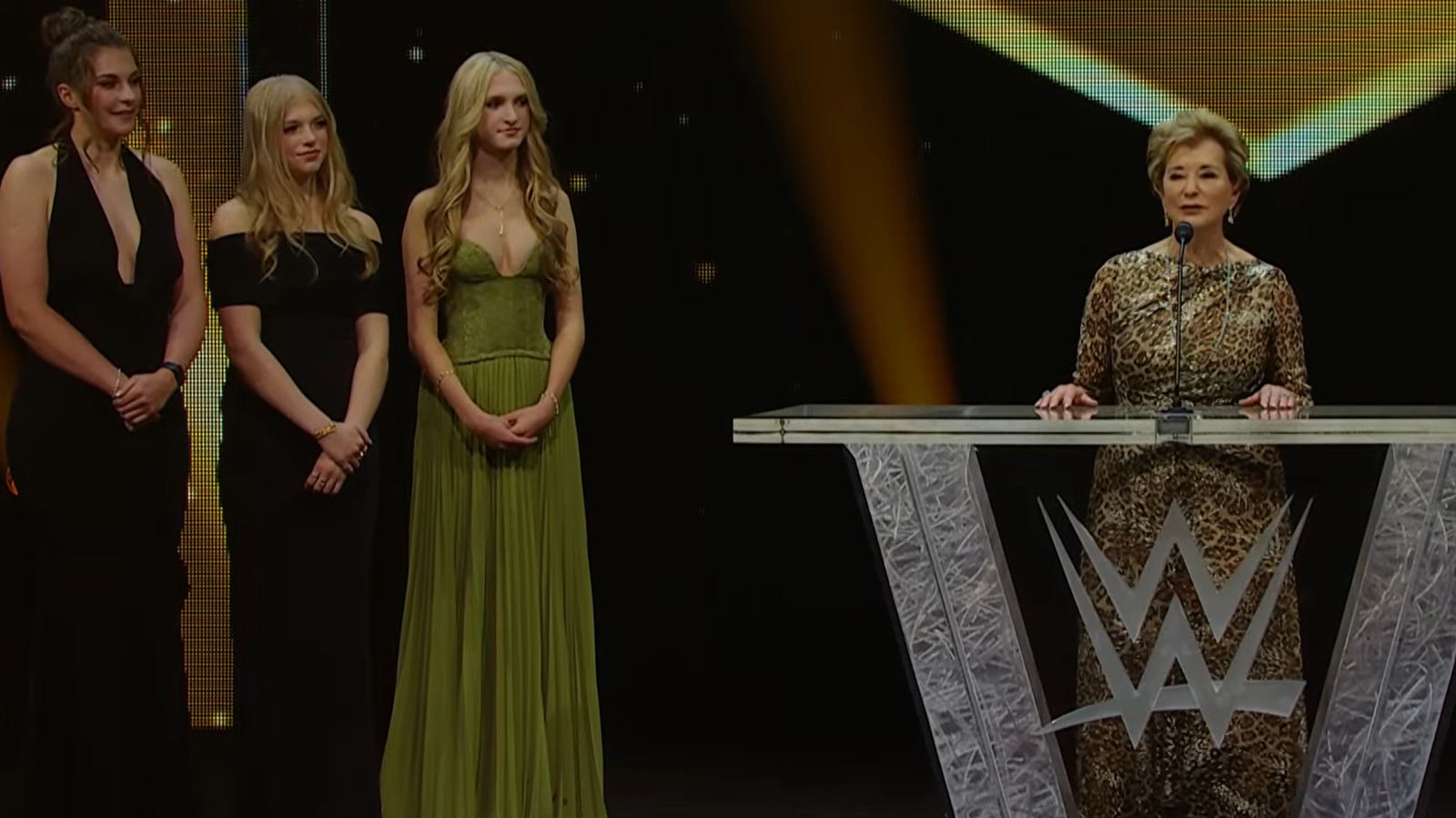
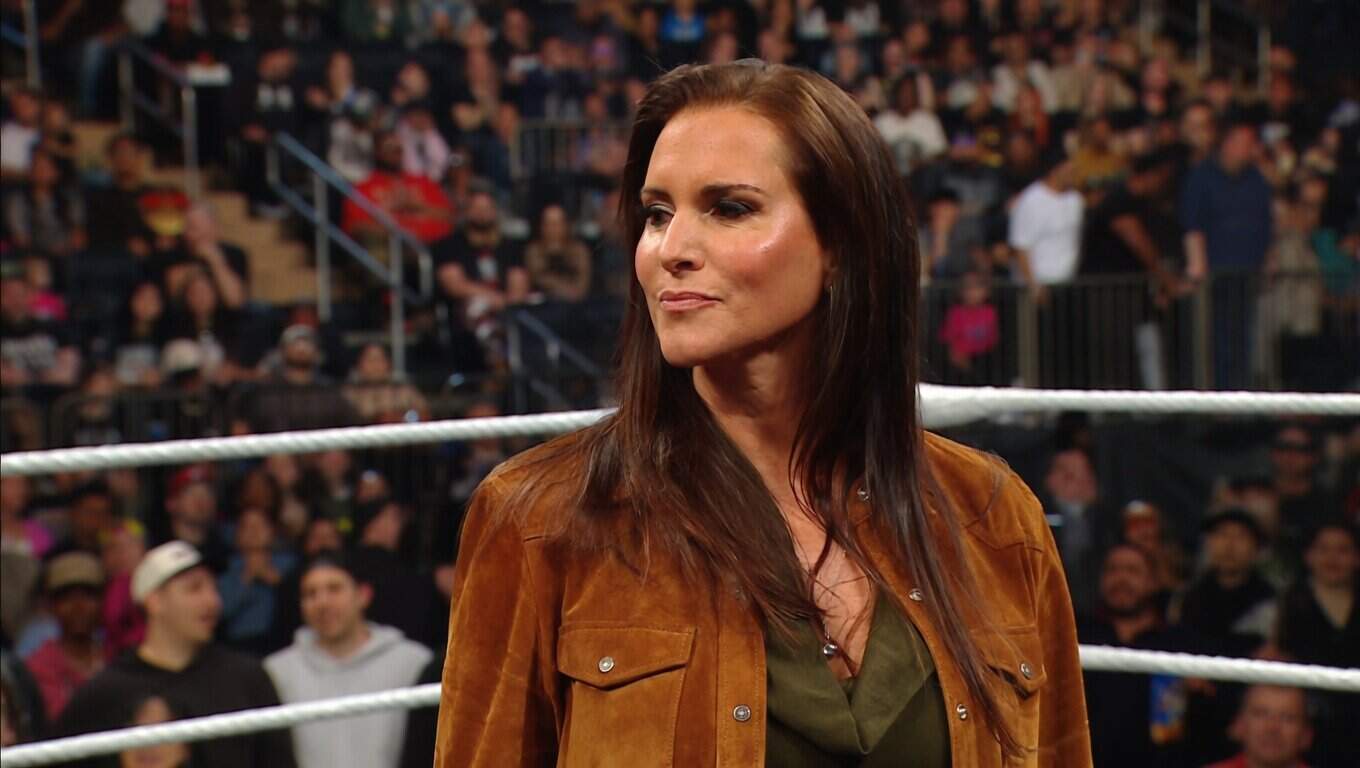
Tomorrow, April 17, 2026, Stephanie McMahon steps into the WWE Hall of Fame, a moment she has called the “biggest thing ever” in her career. It is an induction that feels both inevitable and profoundly deserved, reflecting a journey that began not just in the ring, but deep within the corporate machinations of professional wrestling's global powerhouse. This isn't merely about her on-screen character, 'The Billion Dollar Princess,' but the decades of influence wielded behind the scenes, shaping the company's direction.
The surreal nature of this moment, as McMahon herself has admitted, underscores the unique path she's carved. Unlike many inductees whose legacies are built solely on championships and five-star matches, Stephanie's impact spans both the spectacle and the operational, an architect of the product as much as a participant in it.
From On-Screen Antics to Executive Authority
Her earliest forays into WWE television were, by her own recollection, deeply entwined with the company's most iconic figures. In 1999, at the height of the Attitude Era, her first significant storyline saw her paired with The Undertaker. She has spoken candidly about this period, and her relationship with “The Deadman,” Mark Calaway, who she described as a “big brother” figure during those formative years. This early exposure to high-stakes narrative cemented her role as a character capable of drawing immense heat and driving major angles.
Later, her rivalry with Trish Stratus became a foundational element of the burgeoning women's division. Stratus herself noted that their competitive dynamic forced both women to elevate their game, proving their worth in an era where female performers often struggled for screen time. It was a period that, for all its storyline theatrics, underscored Stephanie's capacity to command attention and contribute significantly to critical on-screen programs.
Triple H on the Culture Shift
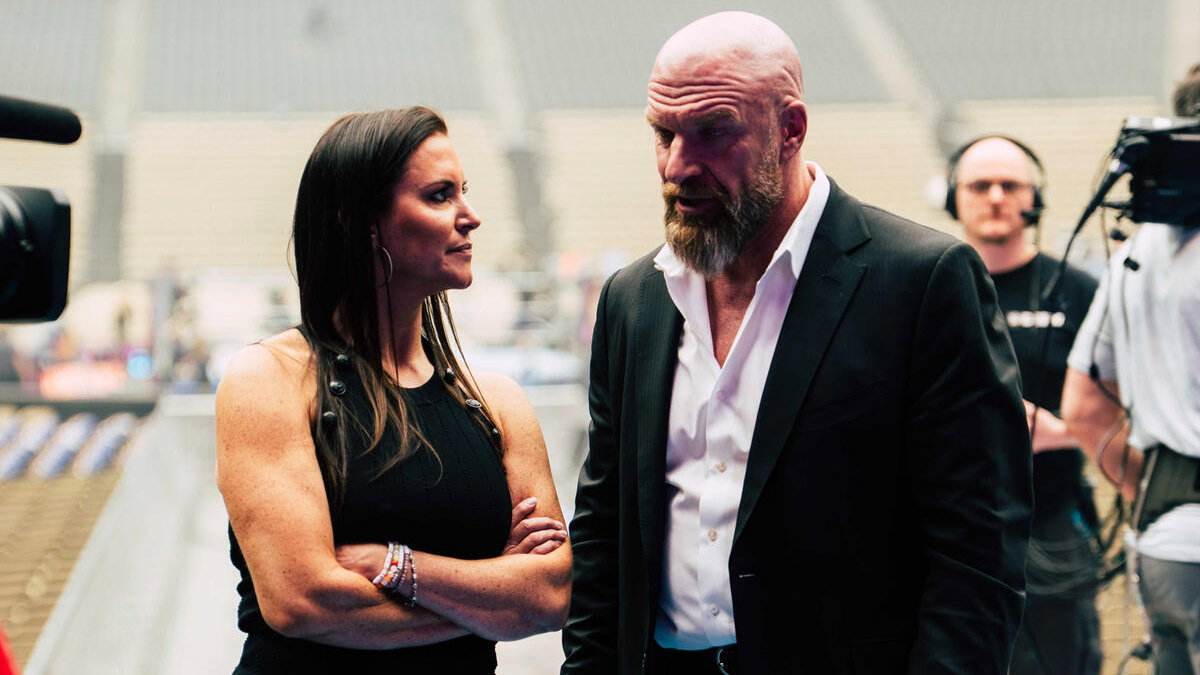
Her husband, Paul 'Triple H' Levesque, has been unequivocal in his praise, stating that her induction is not only “deserving” but that it would be “impossible to not to have you in there.” He points to her significant role in steering WWE's corporate culture, suggesting that before her influence, the company operated akin to the “wild west.” This isn't just hyperbole; it speaks to the significant internal restructuring and professionalization that occurred as WWE transitioned from a regional powerhouse to a publicly traded, global entertainment juggernaut.
Levesque’s assessment highlights a period where the creative chaos of the wrestling business needed a steady hand in the executive suite. Stephanie McMahon's presence, particularly in her various executive roles, helped formalize processes, expand outreach, and professionalize internal operations, moving the company into a more structured, modern corporate entity.
The Inevitable Scrutiny of a Dynasty
While her contributions are undeniable, it's fair to acknowledge the unique position she held throughout her career. Being the daughter of Vince McMahon, her ascent through both on-screen and corporate ranks was often viewed through the lens of nepotism. This perception, whether entirely fair or not, occasionally overshadowed her individual merits, creating a subtle undertone to her achievements that few other performers or executives ever faced. It's a critical observation: the path to power was always, in part, paved by her birthright, regardless of how brilliantly she navigated it.
This isn't to diminish her capabilities, but rather to contextualize them within the dynastic framework of WWE. Her battles, both in front of and behind the cameras, were fought with a significant head start. Yet, to her credit, she consistently capitalized on those opportunities, transforming privilege into genuine, lasting influence that extended far beyond merely being 'Vince's daughter.'
Beyond the Spotlight: The True Impact
Her most profound impact arguably lies in areas less visible to the casual fan. Her work with initiatives like 'Connor's Cure' and her advocacy for women in leadership roles within the company demonstrated a commitment to social responsibility and internal progression. These efforts, though not directly tied to televised storylines, are a testament to a corporate leader who understood the broader cultural footprint of WWE. This isn't a Hall of Fame induction for a mere wrestler, or even just a memorable character; it's an acknowledgment of a strategic mind.
The Hall of Fame is designed to honor those who have left an indelible mark. Stephanie McMahon's career, spanning from memorable rivalries with the likes of Trish Stratus to her role in shaping the modern corporate landscape of WWE, embodies this perfectly. She helped define a significant era, navigating the complexities of both family business and global entertainment.
Prediction: A Blueprint for the Future
Stephanie McMahon's Hall of Fame induction will not merely be a retrospective glance at her past, but a quiet, powerful acknowledgment of the McMahon family's ongoing influence and the potential blueprint for future leadership within the company. Expect a moment of reflection that solidifies her status not just as a prominent on-screen character, but as one of the most significant, albeit sometimes controversial, executive figures in modern wrestling history. This is the official coronation of the woman who, for decades, helped run the show. The wild west, as Hunter suggested, is long gone, replaced by a structure she meticulously helped build.
Read Next