TNA is playing a dangerous game with its 2026 scheduling
The pacing problem in the TNA calendar
TNA recently pulled back the curtain on its complete 2026 schedule, and the optics are difficult to ignore. While consistent booking is a virtue, the sheer density of these pay-per-view events creates a distinct drag on narrative momentum. Following the high stakes of Bound for Glory is one thing; forcing the audience to maintain that same intensity throughout the entire year is a logistical mistake that risks burning out a dedicated but finite fanbase.
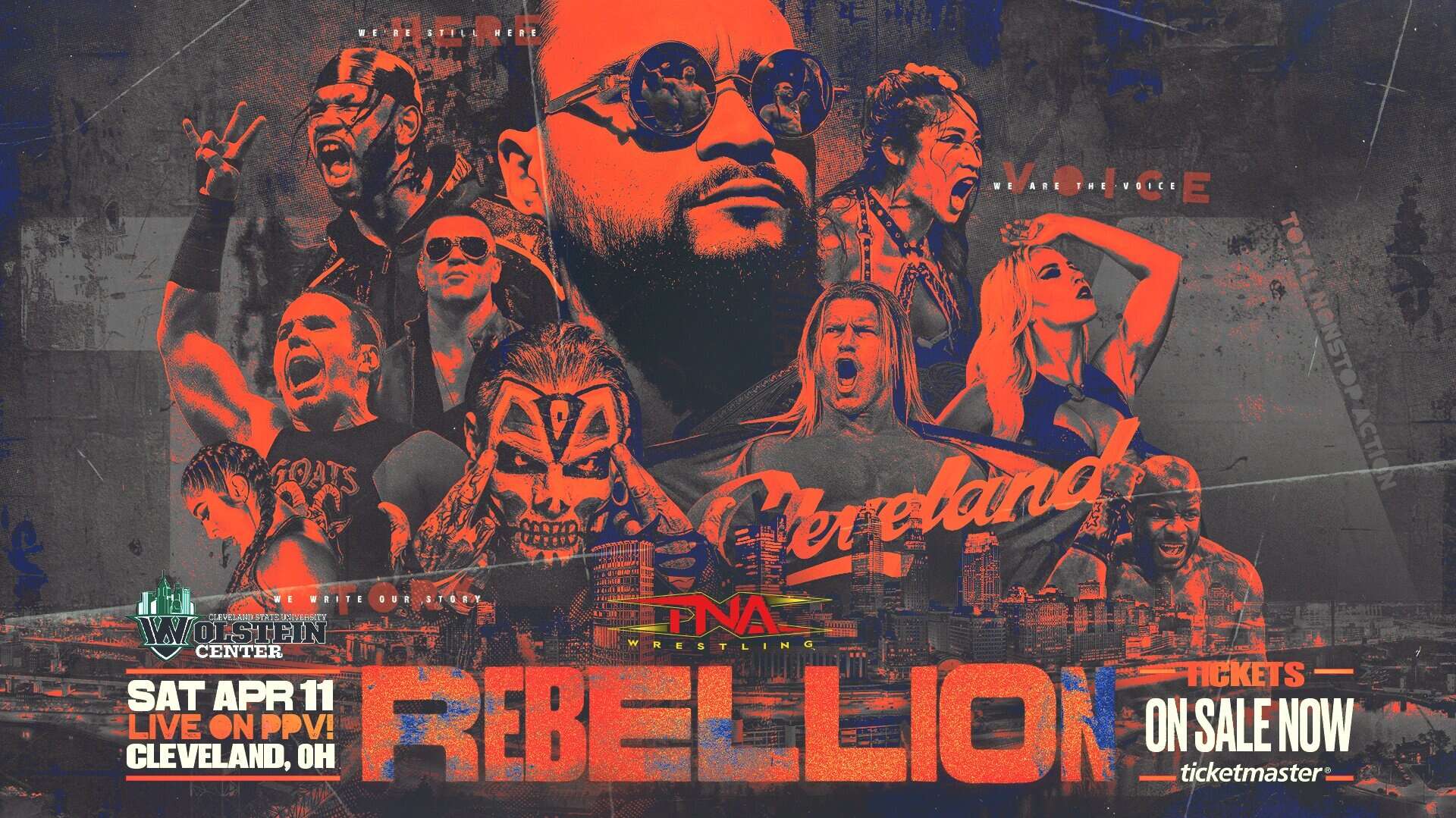
The promotion is leaning heavily into spectacle with the latest teasers for Rebellion. They have released promos featuring a mysterious lockbox, a classic wrestling trope that usually signals a major title change or a forced career stipulation. It is effective for a quick social media pop, but it lacks the long-term character development necessary to sustain a 12-month calendar of premium events.
Missing the mark on engagement
The decision to market 'Dream Seats' for the upcoming Rebellion event feels like a hollow attempt to drive gate revenue without addressing the core product issues. If the in-ring output cannot keep pace with the premium price points, fans will simply stop responding to the marketing. Selling ringside access is easy, but selling a coherent, year-long storyline is what separates a regional player from a serious industry force.
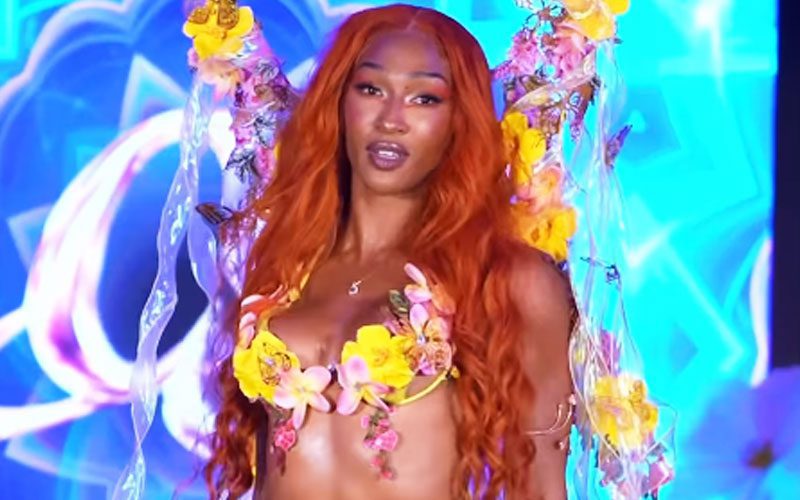
We also have characters like SoCal Val returning to the spotlight, interviewing ODB on The Velvet Ropes ahead of the card. Nostalgia acts serve a purpose, yet they often paper over the cracks of a thin mid-card. Relying on legends to generate buzz suggests management is unsure about the current roster's ability to draw on their own merit.
A tactical critique of the booking
The most glaring omission in the current strategy is the lack of a clear 'off-season'. High-level competitors require downtime to recover from the physical toll of a modern wrestling schedule, and viewers need a refresh to stay invested. By locking in a rigid, non-stop schedule, TNA is forcing their performers to work through injuries just to maintain the appearance of being 'must-see' TV.
There is also the matter of the lockbox teaser. While individual segments often succeed in isolation, they rarely contribute to a larger, satisfying conclusion. We have seen this specific booking technique fail repeatedly in the past decade. It creates a temporary spike in interest, followed by a sharp decline once the inevitable reveal underwhelms the audience. If the contents of that box are not absolutely stellar, the company will have traded long-term credibility for a few hours of Twitter engagement.
TNA has the talent to deliver high-quality matches, but they are currently trapped in a cycle of over-scheduling. Between the Dream Seats push and the relentless PPV pace, the company is treating its audience like a bank account to be emptied rather than a community to be cultivated. They are gambling on the hope that volume equates to quality. History suggests that is a losing wager for any promotion.
WWE Stone Cold Steve Austin 3:16 T-Shirt
The most iconic shirt in wrestling history that still hits like a Stunner.
Frequently Asked Questions
What is the primary criticism of the TNA 2026 event schedule?
Why is the lockbox gimmick being criticized in the article?
How is TNA attempting to generate extra revenue for Rebellion?
What is the issue with TNA using legends like SoCal Val and ODB?
Why does TNA need an off-season for its performers?
More Coverage
Is Tommaso Ciampa eyeing an AEW jump after the Jericho feud?
5 hours agoTNA is turning the 2300 Arena into an absolute bloodbath
5 hours ago
Why Triple H is gambling on Nick Aldis in the ring
6 hours ago
Nick Aldis spills the tea on his TNA era and the fans are dragging everyone
14 hours agoAEW needs more than just Ospreay to fix the Collision slide
14 hours agoAAA’s Verano de Escandalo is a beautiful mess we can’t look away from
23 hours agoMore Analysis
TNA is betting the house on Slammiversary 2026
1 month, 1 week agoTNA is playing a dangerous game with this Champions Challenge
1 month, 3 weeks agoTNA is playing a dangerous game with their PPV strategy
3 months, 1 week ago
TNA is playing a dangerous game with its current booking momentum
3 months, 2 weeks ago