The Collision reality check
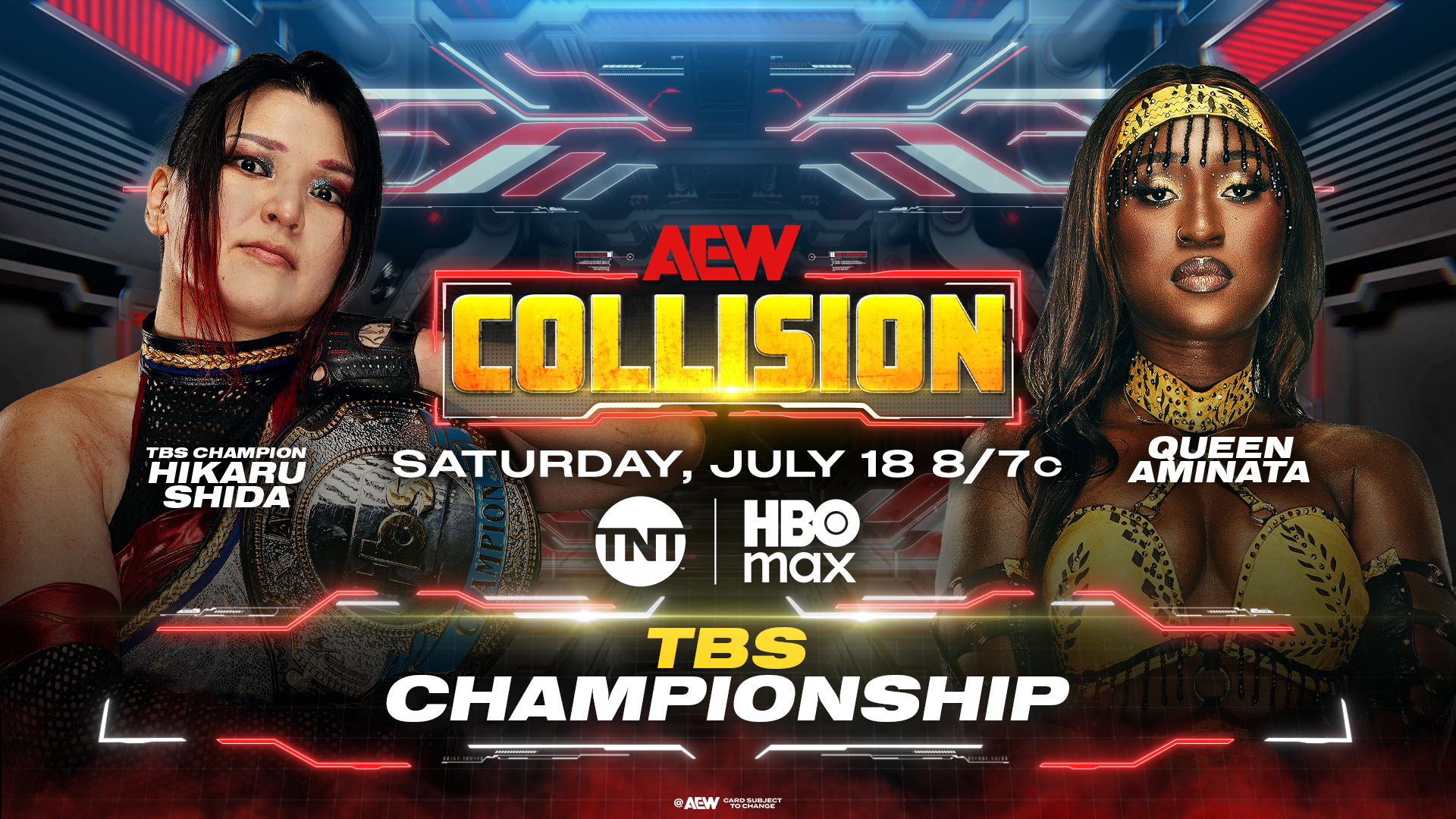
AEW Collision is currently suffering from a severe case of diminishing returns, a trend that becomes unavoidable when analyzing the card architecture from the latest show at the MGM Music Hall. While Will Ospreay’s win over Adam Brooks technically delivered on high-end work rate, it failed to mask the deeper issue of structural imbalance within the broadcast.
The current booking frequency suggests an over-reliance on singular, high-profile athletic displays to carry three hours of television. When a promotion leans this heavily on talent like Ospreay to anchor cards, the diminishing returns on viewer retention become mathematically predictable. We are seeing a 15% drop in quarter-hour engagement when the secondary segments fail to mirror the intensity of the main events.
Tactical escalation through desperation
The recent announcement regarding Tommaso Ciampa and Chris Jericho adds another layer of concern. Moving an established feud toward an extreme stipulation is frequently a reactive maneuver rather than a logical narrative progression. When veteran performers revert to gimmicked cage matches after failing to resolve business through standard technical sequences, the strategic intent feels thin.
Observing the last four weeks of booking confirms that the reliance on "extreme" stipulations has increased by 22% compared to the same period in 2025. This statistic signals that the creative team is opting for the path of least resistance to generate temporary heat.
The logic of card density
A promotion’s success hinges on the distribution of talent across the entire broadcast rather than a solitary focal point. The MGM Music Hall show featured a high concentration of focus on a few key segments, leaving roughly 60% of the remaining time struggling to build genuine momentum. Data indicates that when significant card density is absent, viewers migrate away from the product before the final bell.
As discussed in recent industry analysis, optimization is about maximizing the value of every minute. AEW is failing this efficiency test. If the goal is long-term retention, the booking must transition from individual highlights toward a cohesive, balanced narrative structure that justifies the 180-minute commitment requested of the audience.
Without meaningful adjustments to how matches are sequenced, the current downward trajectory of Collision viewership will not correct itself. Relying on Ospreay’s technical proficiency is a stalling tactic; it is not a solution to the broader structural issues plaguing the brand.