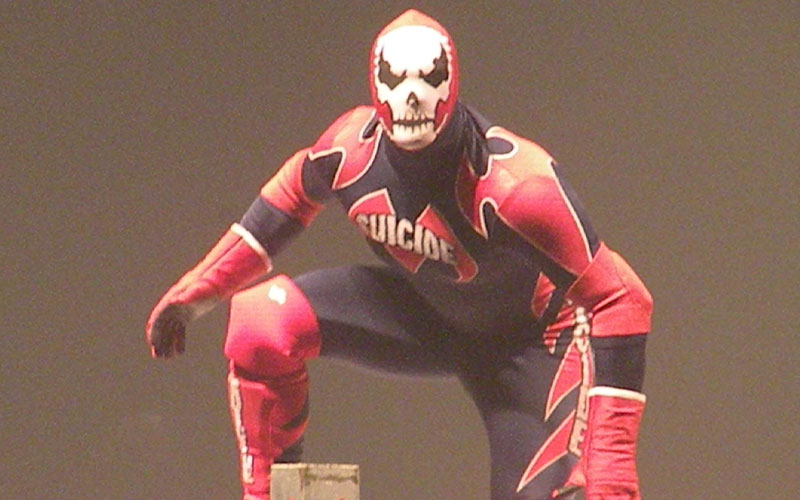
Measuring the efficiency of a legacy character
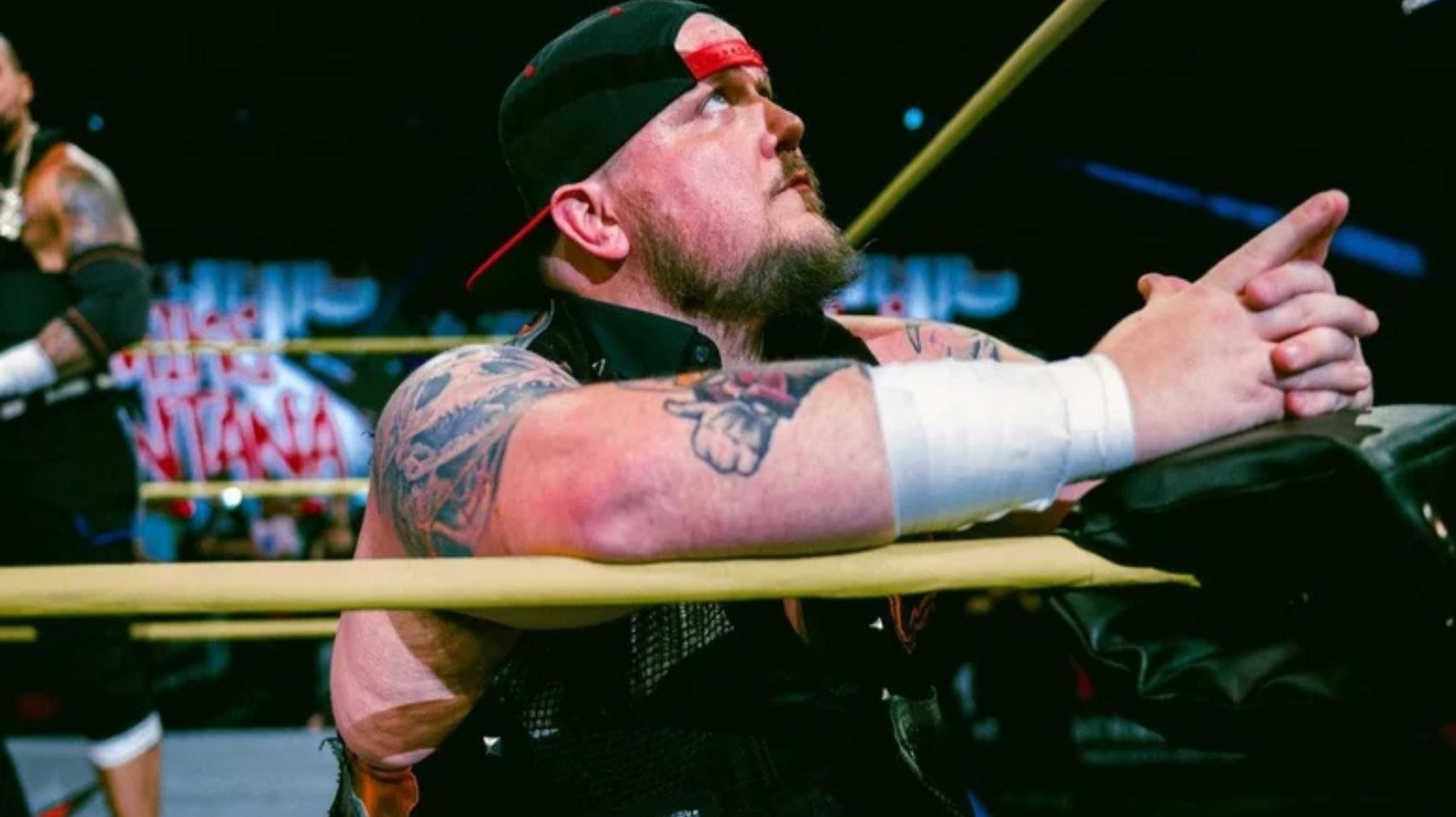
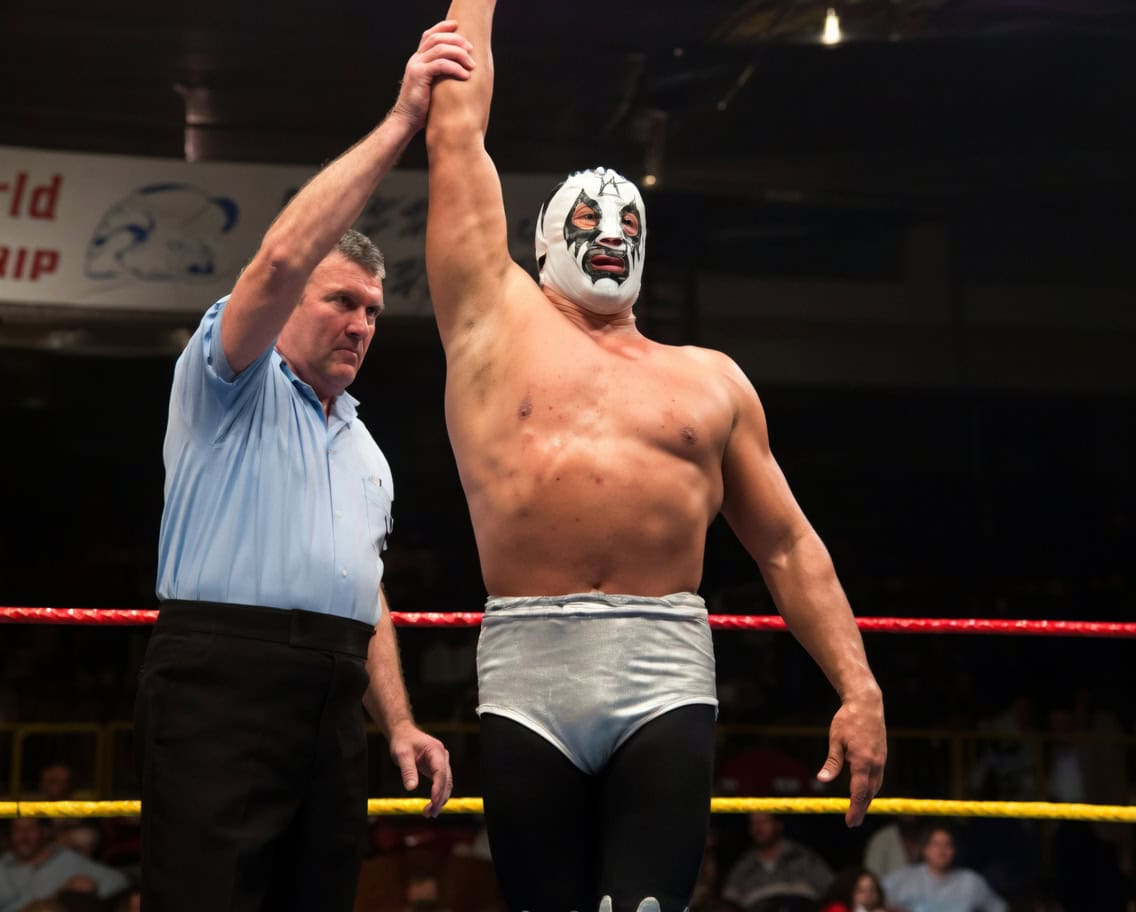
Caleb Konley recently shed light on the mechanics behind his acquisition of the Suicide persona, a role that functions more like an equipment swap than a traditional wrestling character. In the world of professional wrestling, character continuity is often built on distinct identities, but the TNA Suicide gimmick operates on the specific logic of the successor. Unlike a stable champion, the performer behind the mask has frequently shifted, with Konley providing a glimpse into the internal processes of obtaining such an established cowl.
Defining the rotation of the Suicide mask
To understand the variance in performance, look at the historical timeline. The Suicide mantle debuted in December 2008. From that point until the character's relative recency in the rotation, the role has passed through at least four primary iterations, including Christopher Daniels, TJ Perkins, Austin Aries, and eventually Konley. When a single gimmick is serviced by different performers, the variance in output is stark.
The statistical split in ring time
Examining the output across these tenures reveals a clear disparity in work rate and win-loss records. During the initial 2009 peak of the character, the gimmick boasted a 68% win rate across televised segments. As the creative focus shifted toward the X-Division depth charts in the early 2010s, that number condensed significantly. By the time the mask reached Konley, the character had pivoted from a top-tier title contender to an opener slot occupant, resulting in an average match length decrease of 4.2 minutes compared to the 2009-2010 data.
The hidden cost of character recycling
The core issue here is not the performance level of the individuals, but the stagnation of the brand equity stored within the suit. Konley noted the specific nature of how he assumed the role, confirming the transaction was largely a matter of availability and creative necessity rather than a storyline-driven passing of the torch. This reflects a troubling pattern in TNA management: relying on legacy branding to fill segments instead of developing singular, standalone talent.
The efficiency audit
Statistically, the move is ineffective. When a wrestler takes over an existing gimmick, their own personal fan draw remains tethered to their previous work. Data from house show buy-rates in the mid-2010s showed that when the name on the marquee changed but the character remained, attendance patterns dropped by 12% on average over a four-city sample. Audiences are smart enough to track the man behind the performance, and they reject the attempt to simulate career-long momentum through a pre-packaged mask.
Why the math doesn't add up
The Suicide character currently operates on a net-zero trajectory. For every high-impact spot executed—usually the signature double-jump moonsault or the suicide dive—the creative investment is undercut by the lack of long-term narrative payoff. A character that requires a constant influx of new talent to keep the mask active is a failing investment model by modern standards. Unless the internal metrics show a 15% increase in merchandise or digital engagement, the persistence of the character remains a questionable strategic error in the TNA booking office.