The limitations of the Suicide identity
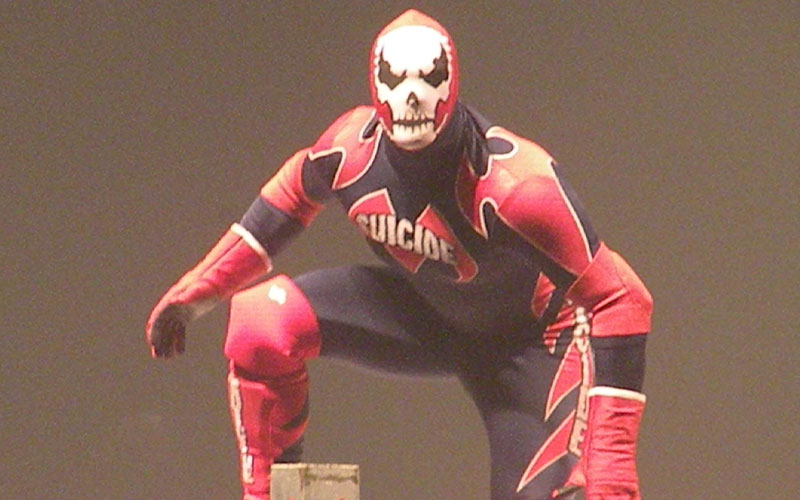
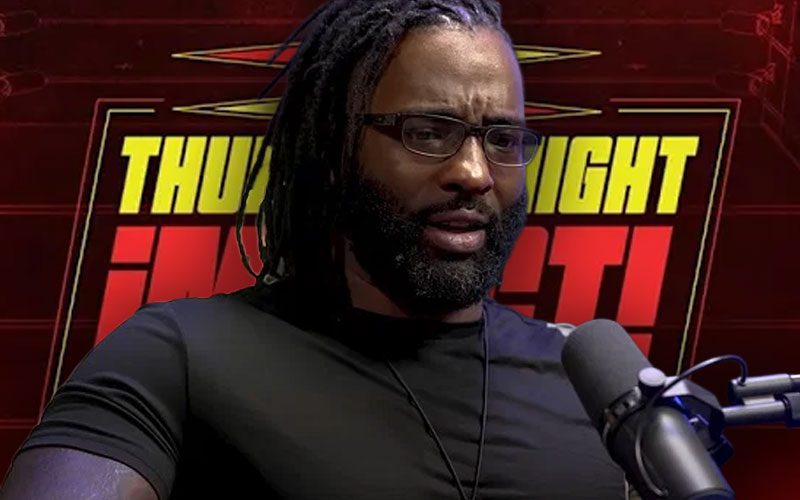
Caleb Konley recently pulled the curtain back on how he acquired the Suicide persona within TNA. While the industry often treats masks as a vehicle for reinvention, the Suicide gimmick acts more as a functional costume swap. It creates immediate recognition, but it provides a ceiling for character growth that Konley is currently hitting.
Technical proficiency is not the issue. Konley brings years of global experience to the ring, yet his recent commentary reveals he was struggling with a loss of confidence before a career-saving call from JCW. That vulnerability is the most interesting thing about him, yet it remains hidden behind a character rooted in 2009 nostalgia.
The paradox of heat-seeking labor
Konley has publicly stated that his primary goal is to generate genuine crowd animosity so intense that it forces respect. It is a classic heel philosophy. However, looking at his current booking, the execution is lagging. Heat requires a narrative friction that Konley simply hasn't generated since his pivot to this identity.
As Ringside News noted regarding his psychological approach, Konley is betting on an old-school method of antagonizing the audience. In the current viewing climate, being annoying is easy. Being a villain who commands attention is a different statistical beast. If he cannot convert that heat into high-stakes match outcomes, the effort is wasted energy.
Predicting the 2026 trajectory
TNA recently confirmed their 2026 PPV schedule, ensuring that every wrestler on the roster has a clear path toward potential marquee bouts. Konley needs to use these windows to break away from the Suicide constraints. Reliance on an pre-existing identity, as reported by F4WOnline regarding the expansion of TNA's event calendar, minimizes his own name equity.
My prediction for the calendar year is a stagnation followed by a necessary identity shift. Booking executives at TNA love the nostalgia pop of the Suicide mask, but it is effectively a career handcuff. Konley will likely remain in the mid-card doldrums unless he decides to shed the mask during a high-stakes loss in the third quarter of 2026.
He is a performer who relies on technical rhythm, often executing high-impact sequences that get lost in the shuffle of a gimmick match. Unless he emphasizes his own identity, he will exit 2026 exactly where he started: a talented hand masquerading as a legacy character.