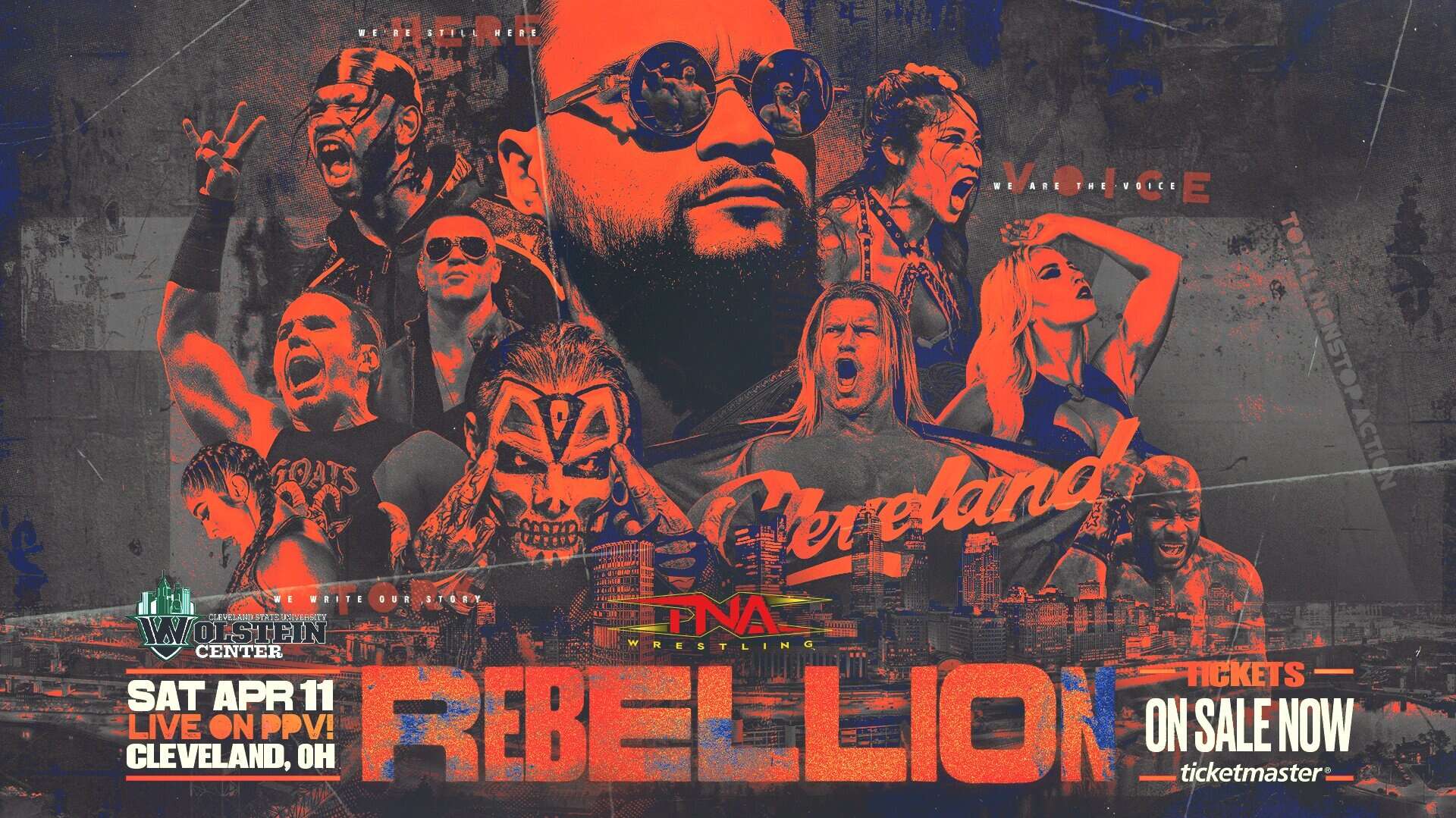
TNA is playing a dangerous game with their PPV strategy
The opening slot paradox
Professional wrestling cards are rarely built by accident, yet the decision-making behind the opening contest of TNA Rebellion feels disconnected from the rhythm of a major pay-per-view. Opening a broadcast is a heavy responsibility. It requires setting a pace that the rest of the show must then respect. When a promotion defaults to a high-octane sprint to hide flaws in the card layout, the audience eventually stops biting.
As recent reports indicated, the internal discussions regarding the opener for this specific event were characterized by a lack of clarity. This indecision filters down to the product. We saw a match that prioritized rapid-fire sequences over narrative grounding. While the technical proficiency was undeniable, the psychology was absent.
The danger of diminishing returns
Modern wrestling crowds are sophisticated. They recognize a filler spot when they see one. By placing a match in the opening slot that lacks a clear stake, the promotion risks losing the engagement levels required for a three-hour broadcast. There is nothing inherently wrong with a fast opener, but if the story surrounding the bout is non-existent, the bell-to-bell action becomes a hollow experience.
The reliance on high-impact spots early in the night creates a ceiling for the matches that follow. If the third match features a standard narrative flow with slower pacing, the crowd—already conditioned by the opener to expect perpetual motion—tends to drift. Efficiency in booking means choosing a tone for the entirety of the card, not just the first 15 minutes.
A lack of stakes is a structural failure
Booking a show requires a balance between spectacle and substance. In this instance, the creative direction felt thin. A match without a clear motivation, regardless of the athleticism involved, fails to justify its place in the opening position. We saw a sequence of reversals that reached a crescendo, yet the payoff felt muted due to the lack of build.
When the creative team approaches an event without a clear hook for the first contest, the consequences manifest in the viewer's patience. The talent involved cannot be blamed for executing the spots they were assigned, but the decision to lead with a match that lacked distinct stakes left the PPV feeling unanchored during its critical first hour.
It is not necessarily about the individuals in the ring; it is about the positioning. Placing a contest with significant emotional weight or a championship backdrop in the opener usually anchors the show. By choosing an alternative, the promotion missed an opportunity to set a standard. If the opening performance does not resonate, the rest of the card is forced to do overtime to recover the momentum lost during the opening bell.
Looking ahead, the road to the summer events requires more rigorous planning. If the discourse following the event continues to highlight this lack of focus, the promotion will have to look closely at how they define their opening acts. Wrestling audiences will reward a focused narrative, but they will just as quickly tune out when the logic behind the card production appears secondary to the spectacle alone.
McDavid Knee Brace with Stays Support for Wrestling and Contact Sports
Pro-level joint support for when you're hitting the amateur mats or the gym.
Frequently Asked Questions
Why is the opening match of a PPV considered critical?
What is the problem with TNA's reliance on high-impact spots?
How does a lack of narrative stakes impact a wrestling card?
What strategy should TNA use for their pay-per-view openers?
Why are modern wrestling crowds susceptible to losing interest?
More Coverage

Data suggests Nick Aldis is manipulating WWE main event windows
an hour ago
Claudio Castagnoli’s creative stagnation is a major AEW failure
3 hours ago
Nick Aldis spills the tea on his TNA era and the fans are dragging everyone
4 hours ago
Wrestling fans deserve better than half-baked docuseries
17 hours ago
Trick Williams is pushing the boundaries of his NXT character
19 hours ago
TNA is ramping up for a massive July 23 show
21 hours agoMore Analysis
TNA is playing a dangerous game with its current booking momentum
3 months, 2 weeks ago
TNA Rebellion needs more than just a crowded card on April 11
3 months, 2 weeks ago