The strategic risk of the Champions Challenge
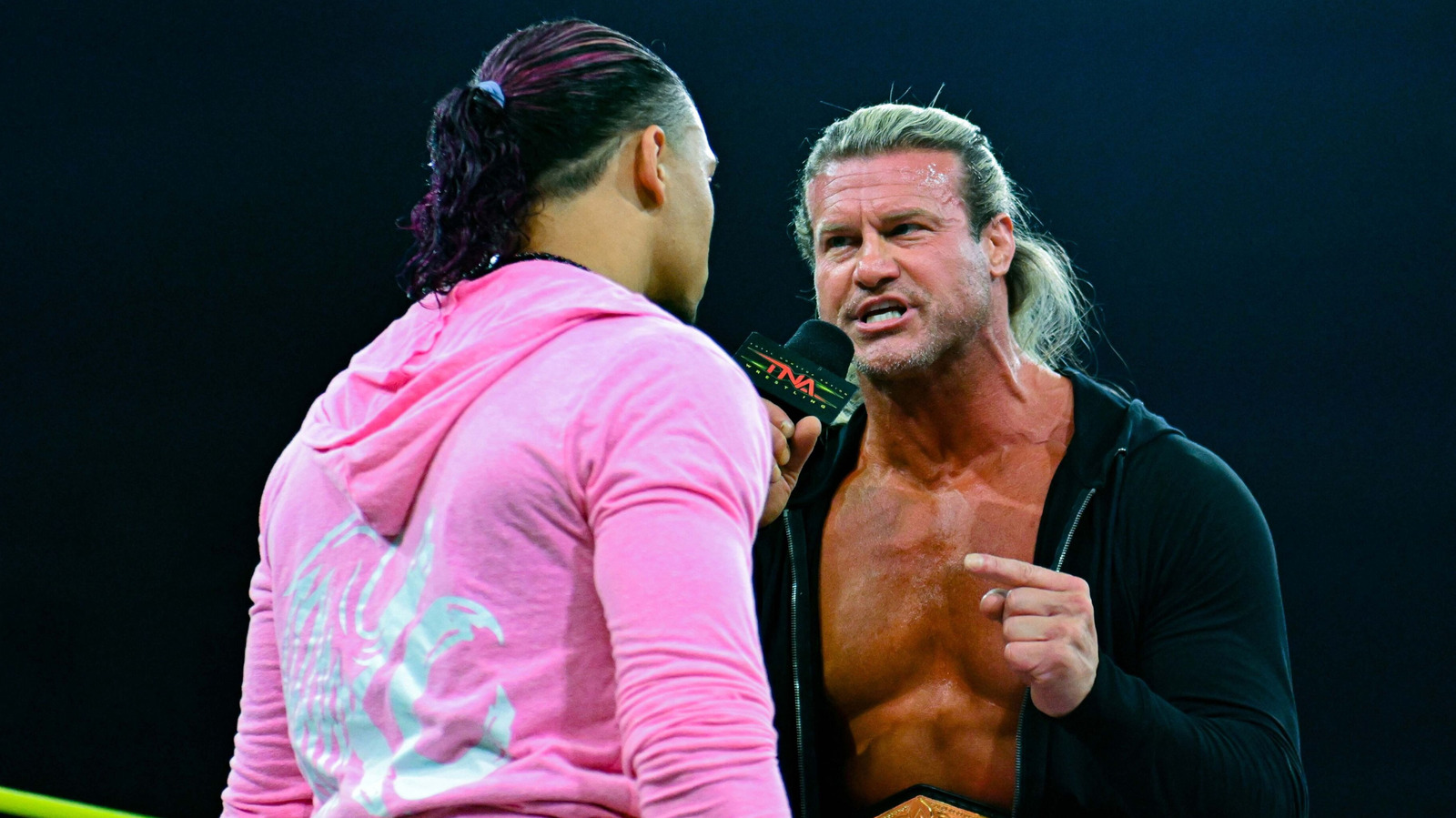
TNA returns Thursday with another iteration of the Champions Challenge. On the surface, it serves as a reliable booking trope to generate heat, yet it often fails to account for the long-term attrition such matches inflict on the roster. When you force champions to defend titles against contenders who haven't necessarily earned a spot through a standard ranking process, you dilute the value of the belt itself.
We are watching a promotion attempt to manufacture urgency in the lead-up to their next pay-per-view cycle. The latest report from PWInsider underlines how constant turnover in top-tier challenges disrupts the rhythm of storytelling. If every belt is perpetually in flux, the audience loses the ability to measure a champion’s dominance. History shows that sustained title runs require defined rivalries, not recurring open-access television spots.
The booking blind spot
Observe the way TNA constructs these bouts. The pacing is consistently vertical, prioritizing high-impact spots over character development. While the athletic output is high, the technical execution often lacks the connective tissue required to keep an audience engaged for the full duration of a 15-minute frame. We see top-tier talent performing moves without the necessary build-up to justify their placement.
The lack of focus on narrative arc is the primary flaw here. You have performers entering the ring with no clear motivation other than a mandated title shot. This creates a disconnect. Matches should act as the climax to a sequence of events, not a desperate reach for ratings. Relying on the gimmick of a challenge invites lazy creative, where the match result becomes more important than the character who holds the gold.
What to watch for this Thursday
The movement in the ring will dictate whether this experiment succeeds or falters. Pay close attention to the opening segment. If the promotion leans on traditional wrestling psychology—slowing the pace, targeting limbs, forcing transitions—the quality will hold up. If they opt for a hurried series of finishers, the match will lose its gravity by the opening stanza.
The current roster depth is not where it needs to be to support this volume of top-tier matches. Watching a champion cycle through three different challengers in as many weeks exhausts the novelty. It pushes fans toward apathy. Genuine tension is missing when the outcome feels like a result of the calendar rather than an organic rivalry.
My final take
Predicting the outcome of these matches is a fool’s errand because the internal logic is often sacrificed for the sake of a pop. However, I expect a title retention. Why? Because the current landscape requires a steady hand at the helm. Disrupting the order now would only complicate the build to the next major TNA event. Do not expect innovation. Expect status quo maintenance disguised as intensity. The match will likely end in 12 minutes, likely via a tainted finish to keep everyone in the mix for another month.