Why TNA’s current booking feels like a regression
TNA’s recent shift to Thursday nights under the AMC banner was supposed to signal a fresh start. Yet, following the April 2 episode from the Alario Center, the cracks in the foundation are becoming impossible to ignore. Arianna Grace successfully defended her Knockouts World Championship against Xia Brookside, which, while technically clean, highlighted a broader issue mentioned in recent critical breakdowns of the product. The pacing issues on air are not mere production hiccups; they reflect a roster construction that feels disjointed.
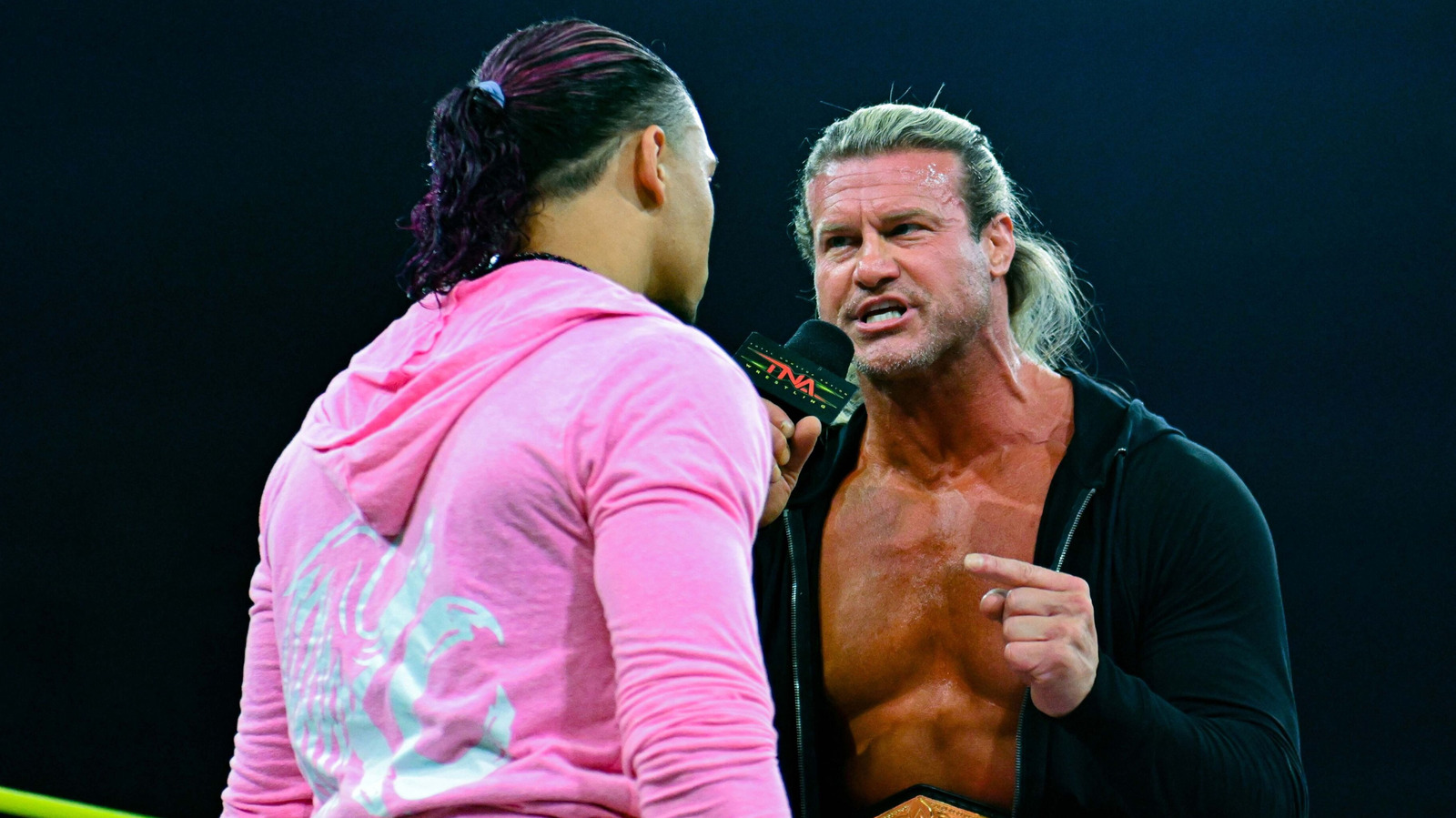
The Reliance on nostalgia is becoming a crutch rather than an asset. Bringing in Bernie Kosar for Rebellion to back Nic Nemeth is a classic promo move, but in 2026, it screams of a company struggling to find its own identity. Relying on Cleveland Browns history to generate heat for a wrestling match in an era where fan engagement is hyper-localized feels like a miscalculation of the current viewing demographic. If the goal is to build long-term stars, Nemeth needs to stand on his own merits, not on the shoulder pads of a former NFL quarterback.
The structural flaws in the current product
Watching the latest results from New Orleans, the inconsistency in match quality is glaring. While talent like Willow Nightingale is putting up defensive clinics over in AEW, TNA feels caught between wanting to be a gritty underground promotion—evidenced by the bizarre developments with Violent J gaining 50% ownership at JCW Lunacy—and a standard studio-based wrestling show. You cannot sustain consistent viewership when the tone of the broadcast shifts this violently from scene to scene.
The three-way split in booking priority (mainstream, hardcore, and retro) is bleeding the company dry. The promotion has the personnel to put on world-class matches, but the execution of these angles is leaving the audience confused. When you look at the recent segments involving Mike Santana, the lack of a coherent narrative arc beyond "he showed up for a promo" is the primary reason why TNA struggles to convert curiosity into loyalty.
The path forward at Rebellion
Despite the criticism, Rebellion is a massive opportunity to pivot. The booking team has the chance to solidify title contender status for several athletes who have been treading water for months. However, the current trend suggests we are headed for a 50/50 split in quality: high-level technical wrestling paired with narrative segments that stall momentum entirely.
My prediction for the coming weeks is that TNA will continue to see flat growth until they move away from outside celebrity involvement. The product needs to focus on the ring, not on who is sitting in the corner near the timekeeper’s table. Until they address the underlying roster depth concerns, they will remain in this purgatory of mediocrity. The ceiling is right there, but their insistence on looking backward is keeping them from the top floor.