The sudden frost in Nashville
The locker room at TNA used to be the most optimistic place in professional wrestling. It was a place where the phrase 'hard to kill' wasn't just a marketing slogan; it was a survival strategy for a roster that had seen every iteration of management failure. But as of April 2026, that optimism has been replaced by a familiar, heavy sense of dread.
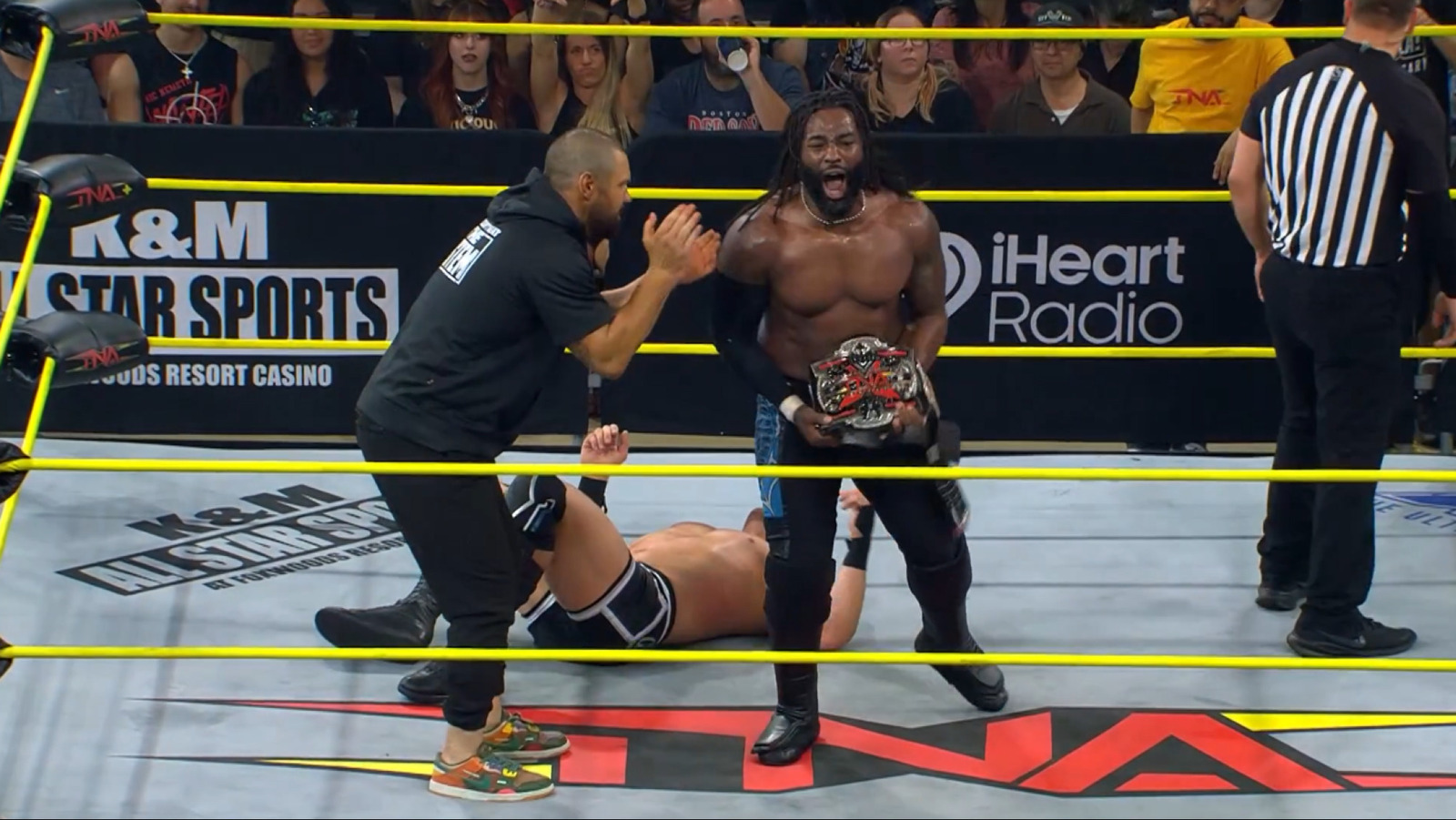
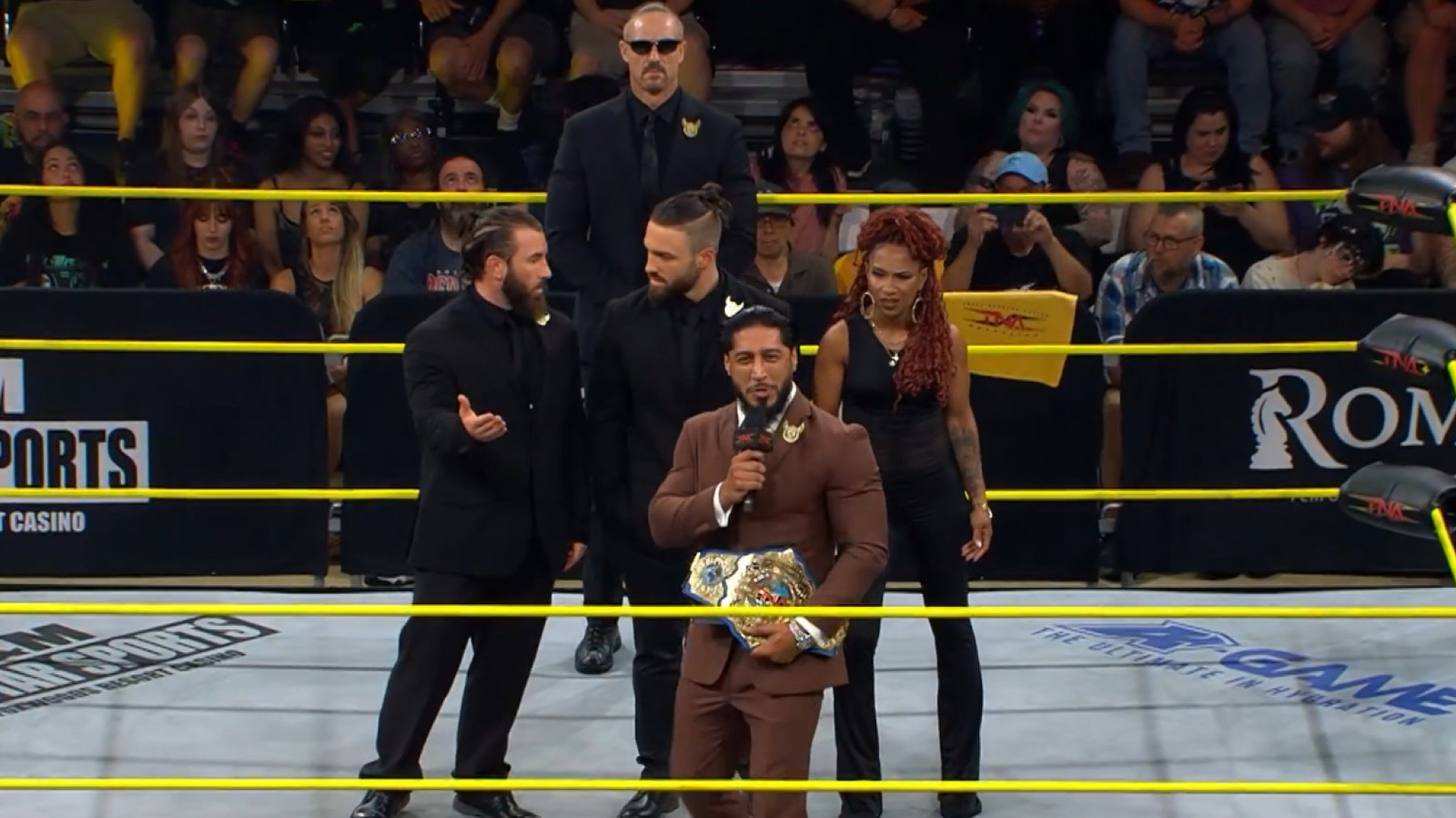
According to reports from Wrestling Inc, TNA management has begun aggressively nixing independent dates involving their talent against AEW stars. This isn't just a minor scheduling conflict. It is a fundamental shift in how the company views its place in the wrestling world. It is the sound of a door slamming shut just when it should be swinging wide open.
The timing could not be more disastrous. We are currently ten days out from WrestleMania 41 Night 1. This is the window where the entire industry descends on one city, where every high-school gym and community center becomes a hub for dream matches. For an indie wrestler, this is the harvest. To have your own front office start burning the crops out of corporate spite is a move that defies tactical logic.
The math of the indie grind
Let's look at the cold numbers of the professional wrestling economy. Most TNA contracts are not the multi-million dollar guaranteed deals you see at the top of the WWE or AEW cards. They are hybrid agreements. Wrestlers are paid a base, but they rely on the freedom to work high-profile independent dates to make their year profitable.
When a TNA star like Josh Alexander or Steve Maclin is booked against an AEW name like Swerve Strickland or Orange Cassidy on the indies, it isn't just a match. It’s a four-figure payday and a chance to keep their name in the conversation of the 'big' leagues. By banning these specific match-ups, TNA isn't protecting its brand; it is actively lowering the market value of its employees.
The frustration in the back is real because it feels personal. There is no strategic upside to preventing a match in a 500-seat arena in Philadelphia or Chicago. It doesn't help TNA's television ratings on AXS TV. It doesn't sell more tickets to their next pay-per-view. It only serves to remind the talent that they are property, not partners.
The tactical error of isolation
From a booking perspective, this is a regression to the old TNA ways—the era of petty squabbles and 'us versus them' mentalities that nearly buried the company a decade ago. The Scott D'Amore era was defined by a willingness to play well with others. Whether it was the Omega-Callis partnership or Jordynne Grace appearing at the Royal Rumble, TNA felt like the bridge between all worlds.
Now, that bridge is being dismantled. If TNA wants to be seen as a legitimate third power, they need to act like one. Big powers don't fear their talent being seen with the competition. They trust that their own product is strong enough to keep fans interested. This new rule suggests the opposite: a deep-seated insecurity that their stars might look better in the other ring.
Think about the work rate. A wrestler who is sharp and working 150 nights a year is better than a wrestler sitting at home waiting for the next set of tapings. When you take away those high-level reps against AEW-caliber talent, the in-ring product eventually suffers. You can't simulate the timing of a 20-minute main event in a gym; you have to do it in front of a crowd.
The WrestleMania shadow
With WrestleMania 41 on the horizon, the industry is more connected than ever. We are seeing WWE talent appearing in other promotions, and AEW talent regularly showing up on major indie shows. TNA is choosing this specific moment to become an island. It is a tactical blunder that ignores how fans consume wrestling in 2026.
Modern fans are smart. They follow the storylines across multiple platforms. When they see a match get canceled via a 'corporate mandate,' they don't get mad at the talent; they get mad at the office. This creates a disconnect between the fans and the promotion. It makes the 'TNA is Back' branding feel like a hollow promise rather than a revitalized mission statement.
The most damning part of this development is the lack of communication. Reports indicate that talent is finding out about these cancellations with less than 72 hours notice in some cases. That isn't just bad business; it’s unprofessional. It leaves promoters scrambling to fill spots and fans feeling cheated out of the matches they paid to see.
A critical look at the leadership
There is a specific kind of arrogance required to think you can dictate the terms of the entire independent scene while your own house is in flux. TNA has zero leverage here. They aren't providing the massive television exposure of a Netflix-backed WWE or a WBD-backed AEW. Their primary selling point has always been: 'Come here, do great work, and we’ll let you be you.'
If you take away the freedom, you take away the reason for talent to stay. We are likely looking at a massive exodus of mid-card and main-event talent once the current crop of contracts expires. Why would a wrestler sign a deal that limits their earning potential and their creative output for a company that seems intent on playing small-ball?
The management needs to understand that they are a 'super-indie' with a television deal. That is a prestigious and profitable position to be in, but it requires humility. You have to be the cool alternative, not the restrictive parent. Right now, TNA is acting like a parent who forbids their kid from playing with the neighbors because they're jealous of the neighbors' new car.
The prediction
Here is how this plays out over the next few months. The frustration reported by Wrestling Inc will boil over into public social media posts. We will see 'cryptic' tweets from top stars, followed by reports of 'tension' at the next set of tapings. By the time we hit WWE Backlash in May, the TNA locker room will be a toxic environment.
My prediction is simple and grim: TNA will lose at least three of its top five stars by the end of the summer. They are trading long-term loyalty for a short-term sense of control. It is a classic case of winning the battle and losing the war. They might stop a few matches from happening on a Friday night in a VFW hall, but they are losing the hearts and minds of the people who actually step through the ropes.
I have 100% certainty that this policy will be quietly walked back within six months, but by then, the damage will be done. The talent will have remembered who held them back when they were trying to feed their families. In wrestling, memories are long, and the 'forbidden door' only works if you're willing to let people walk through it both ways.
TNA used to be the company that refused to die. Now, they are the company that refuses to let their talent live. It is a sad development for a brand that has so much potential. If you’re a TNA fan, keep a close eye on the contracts of your favorites. The exit signs have never looked brighter.
Read Next