WrestleMania Week: The Grand Mecca... Until Now
Listen up, sickos. We are officially 9 days away from WrestleMania 41 in Las Vegas, and the entire wrestling world is already packing their bags. This isn't just a WWE shindig; it's the ultimate pilgrimage, a week-long celebration where every corner of the professional wrestling universe converges.
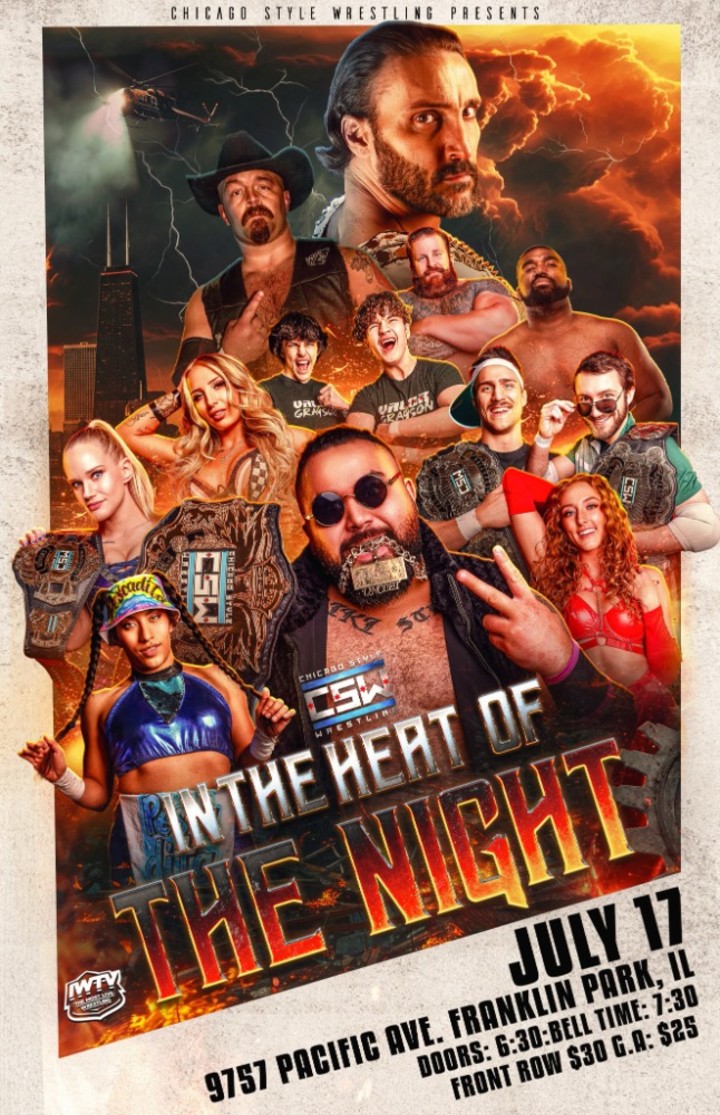
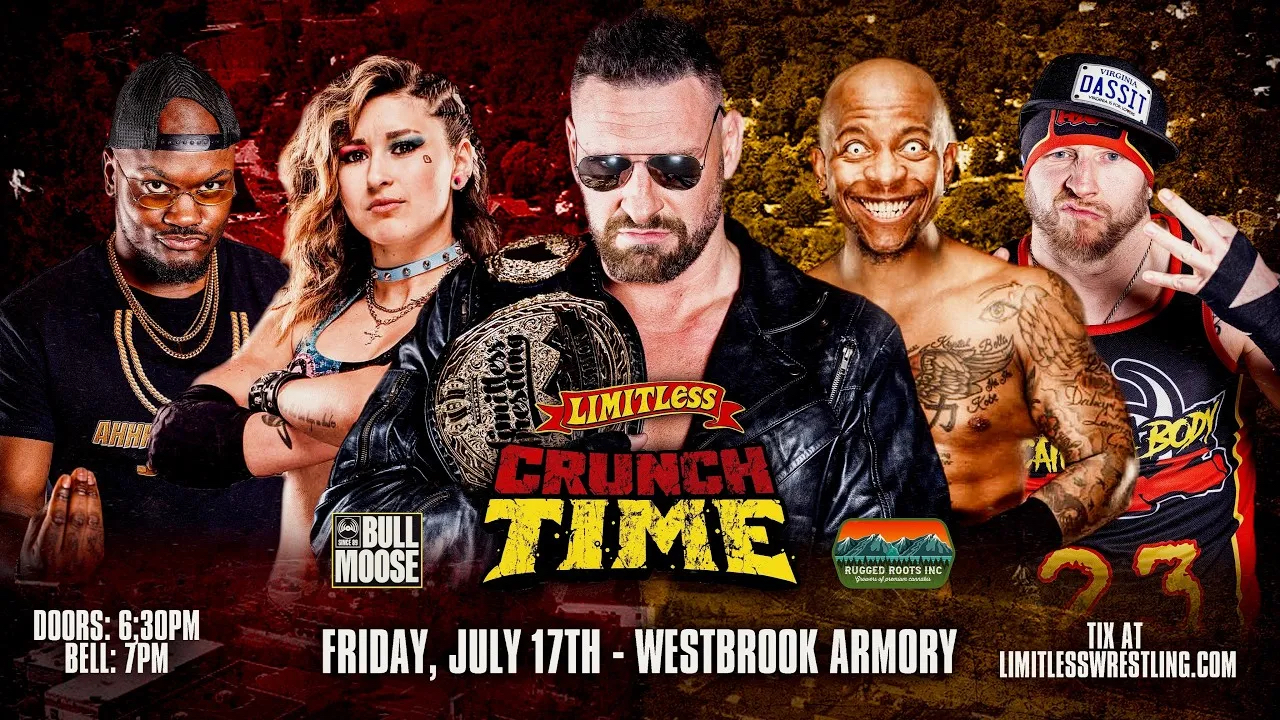
Indie promotions book their biggest shows of the year, hoping to catch the overflow of fans. Wrestlers from every company, if they're allowed, scramble for extra bookings, exposure, and a piece of that sweet, sweet WrestleMania pie. It's a gold rush for anyone with a pair of boots and a dream.
TNA Says "Nah, We're Good"
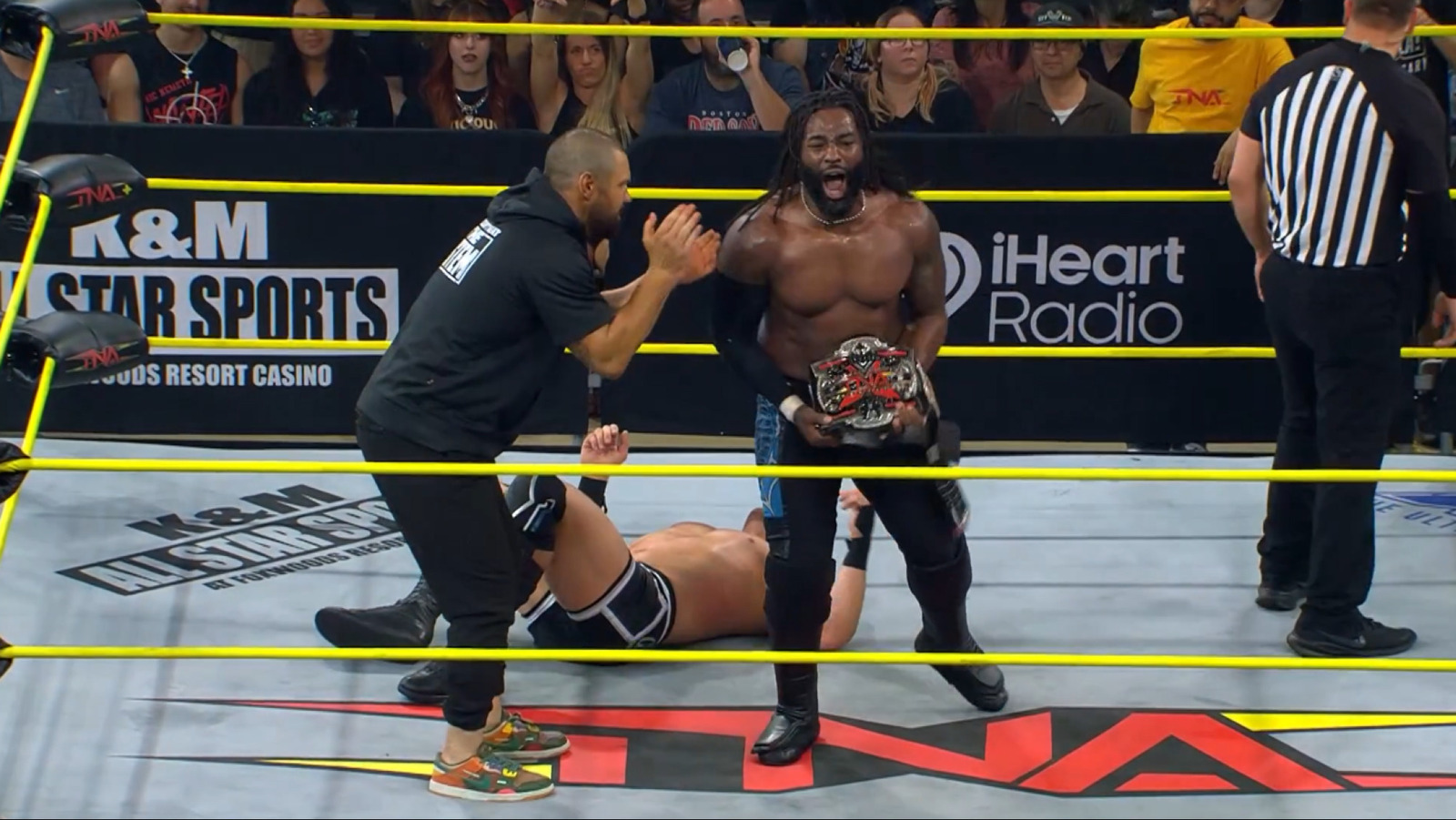
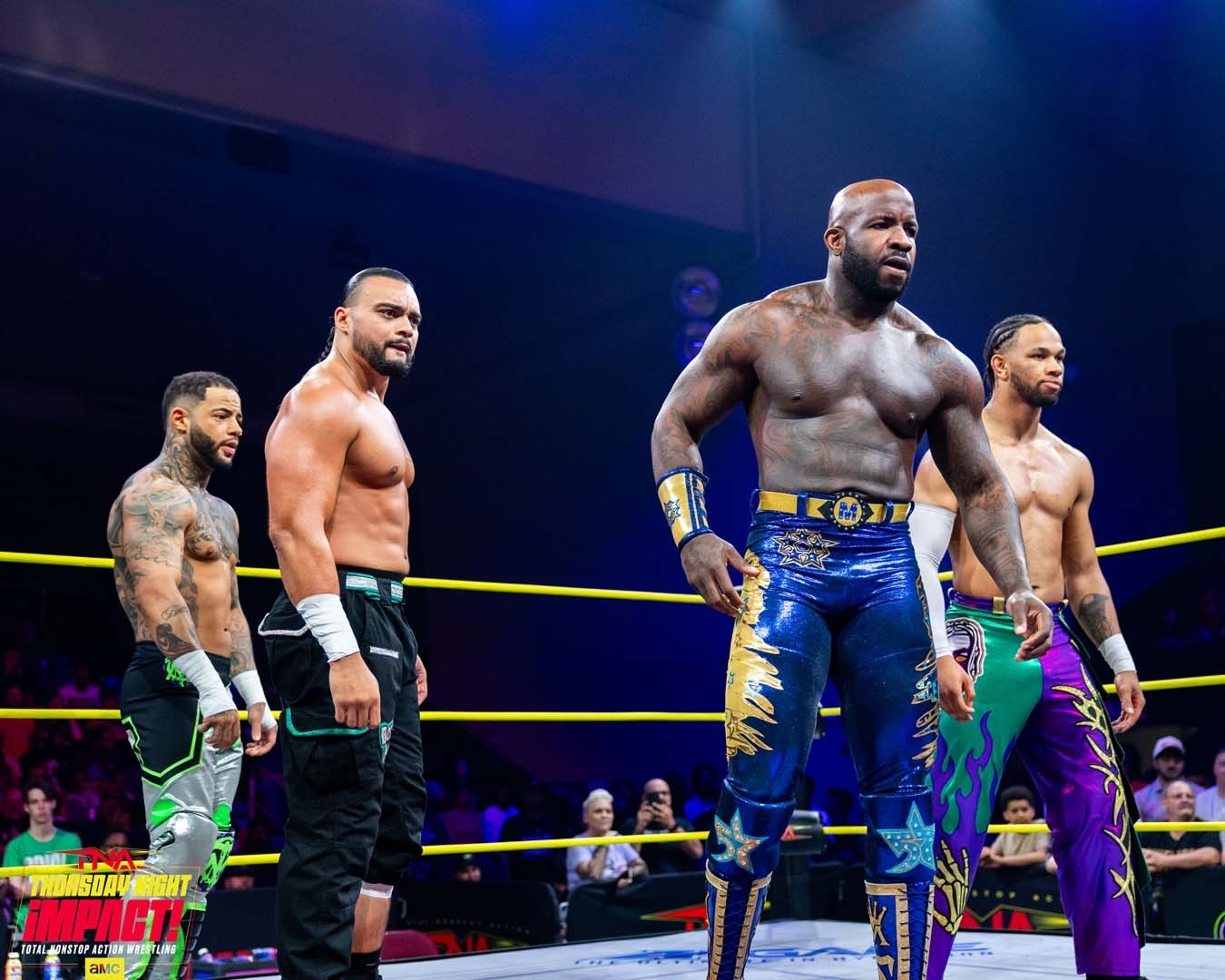
Then, like a rogue elbow drop from outta nowhere, the news hits. As PWInsider first reported, TNA is reportedly pulling its talent from all non-TNA affiliated WrestleMania weekend events. Just like that, curtains for anyone hoping to see their favorite TNA star pop up on an indie card or a GCW show.
The immediate reaction across the wrestling community wasn't confusion, it was a collective head-scratch. Anger and bewilderment quickly followed. In a week designed for cross-promotional dream matches and unexpected appearances, TNA decided to build a wall instead of a bridge.
The timing, especially, is utterly baffling. Nine days out from the biggest weekend of the year, with travel plans locked in and cards already advertised, TNA makes this move. It’s not just inconvenient; it feels deliberately disruptive and, frankly, kind of petty.
The Whispers from Backstage: Why Now?
So, what’s the play here? Is TNA genuinely concerned about protecting their talent from potential injuries during a grueling weekend schedule? That’s a noble thought, but it feels a little convenient given the last-minute nature of the announcement.
Another theory floating around the internet dark corners is that TNA wants to prevent their talent from getting any shine outside of their own brand. Is this a desperate attempt to funnel all fan attention directly back to them, even if it means alienating those same fans and the broader wrestling world?
This kind of move screams insecurity, not strength. It’s less a power play and more a cry for attention from a company that’s consistently struggled to find its identity in the modern landscape. Are they trying to assert dominance, or are they just afraid their talent might get more buzz elsewhere?
The Unintended Consequences: Who Gets Screwed?
Let's talk about the real victims here, and it's not the promoters who have to re-book a match. First off, the talent themselves. WrestleMania weekend is a massive opportunity. It’s a chance to wrestle in front of a new audience, work with different styles, and, yes, earn some extra cash during a period of peak demand.
Many wrestlers rely on these independent bookings to supplement their income, especially those not at the very top of the card. TNA just snatched that opportunity away, likely without much warning or compensation. That’s a tough pill to swallow when you've already made plans.
Then there are the independent promotions. They’ve built their cards, sold tickets, and advertised matches based on the availability of these TNA stars. Now they're left scrambling, trying to find replacements just days before their biggest shows of the year. The ripple effect of this decision is going to be felt throughout the indie circuit.
And let’s not forget the fans. Many travel thousands of miles, spending small fortunes, hoping to catch a glimpse of every wrestler imaginable. To have advertised matches suddenly disappear because of a corporate fiat is a surefire way to sour the experience. Fans paid good money, and they expect to see who they paid for.
TNA's Image: Perceived as Petty or Pragmatic?
This move, irrespective of its stated intentions, looks small-time. It projects an image of insecurity rather than strength. A major wrestling promotion should be confident enough in its own product to allow its talent to gain exposure elsewhere, believing that the rising tide lifts all boats, and ultimately, that talent will always return to their home promotion.
Look at other major promotions. AEW allows many of its stars to work indie dates, often even for promotions that stream on rival services. WWE, while notoriously tight-fisted with outside appearances, has occasionally allowed legends or specific talent to make special appearances. TNA's decision flies in the face of this more open, collaborative era of wrestling.
It screams of a company that believes its roster is a fragile commodity, incapable of standing on its own without being locked away behind a velvet rope. This isn't pragmatism; it’s a booking mistake that will cost them far more in goodwill and perception than it could ever save them in hypothetical injury prevention.
The Road Ahead: A Tainted Victory?
So, what exactly does TNA gain from this? Maybe a few less bumps and bruises for their roster. A sense of control, perhaps, over their intellectual property. But at what cost? They alienate their own talent, antagonize independent promoters, and frustrate a significant portion of the fanbase.
In the grand scheme of the WrestleMania weekend spectacle, TNA’s move will likely be a footnote, quickly forgotten amidst the chaos and excitement. But for those affected, and for the overall perception of TNA as a viable alternative in the wrestling landscape, this could be a colossal strategic misstep. It's not a flex; it's a stumble.
Instead of leveraging the biggest weekend in wrestling to showcase their brand and talent, TNA chose to retreat. It's a self-inflicted wound that could leave a lasting scar on their reputation, proving once again that sometimes, the biggest obstacles to a company's success are its own decisions.
Read Next
- TNA just suspended two talents and the timing couldn't be worse
- Abyss returning to TNA Impact is a desperate, brilliant nostalgia play
- TNA's Vegas withdrawal changes everything for AEW and the free agent market
- TNA's WrestleMania Weekend Snub: Protecting Talent or Total Tumble?
- 🏆 WrestleMania 41 — Full Coverage Hub