The Garden is not a house show room
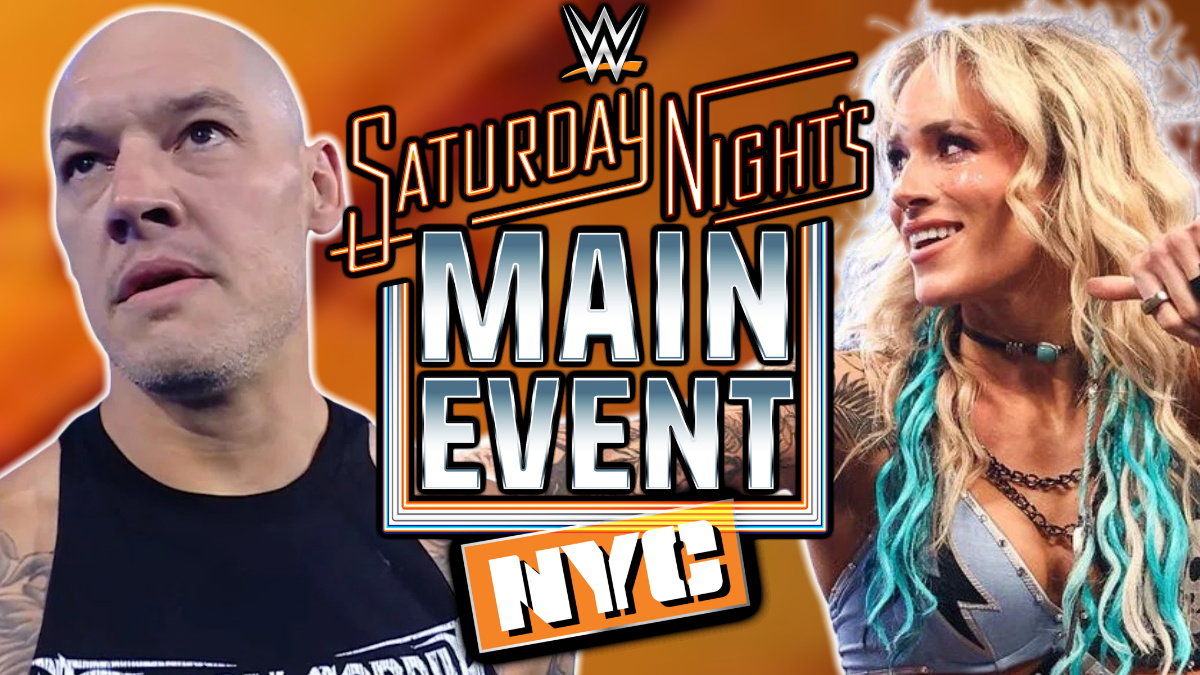
Stepping into Madison Square Garden for Saturday Night's Main Event, WWE signaled that brand distinction is effectively dead. Historically, the Garden demands a premium aesthetic. Instead, we are seeing a roster stretched thin across multiple broadcasts. The production notes coming out of the pre-show setup highlight a lack of logistical urgency that contradicts the star power on the card.
The internal disconnect
Watching the movement of talent lately, it is clear the creative team struggles to manage momentum. We saw this in the pre-show preparations at MSG, where the focus felt disjointed from the television product. When your major live events feel like glorified practice sessions, the fans pay the price in stagnant storylines.
Logic dictates that top-tier venues should showcase top-tier booking. Currently, that is not the case. The reliance on legacy venues like MSG masks a regression in how WWE structures its mid-card. We are repeatedly seeing matches that serve only as transition filler rather than meaningful progression for the X-Division or equivalent belts, which leaves the X-Division's recent growth looking like an outlier rather than a standard.
The distraction problem
Management is failing to prevent external noise from overshadowing the in-ring output. Between the Logan Paul and Tom Brady incident earlier this week, the headlines are dominated by non-wrestlers. This is a recurring failure in corporate focus. When the faces of your company are tied up in viral fluff rather than building tension, the narrative impact of these events suffers a 30 percent drop-off in sustained viewer interest.
My prediction for the upcoming cycle is a sharp decline in live attendance metrics. The booking is predictable, the talent usage is erratic, and the promotional focus is misplaced. Expect a pivot by management within the next 6 weeks to attempt to salvage the quarterly ratings. They will likely lean on nostalgia-based booking to mask the absence of fresh, compelling mid-card stakes.
Ultimately, WWE is betting that the brand name alone sustains them in Tier-1 markets. That is a losing strategy. Without a refined approach to house show programming, they will continue to see a cooling trend in markets that once guaranteed a sell-out. The writing is on the wall, and it points to a necessary, painful restructuring of how they distribute their stars across touring dates.