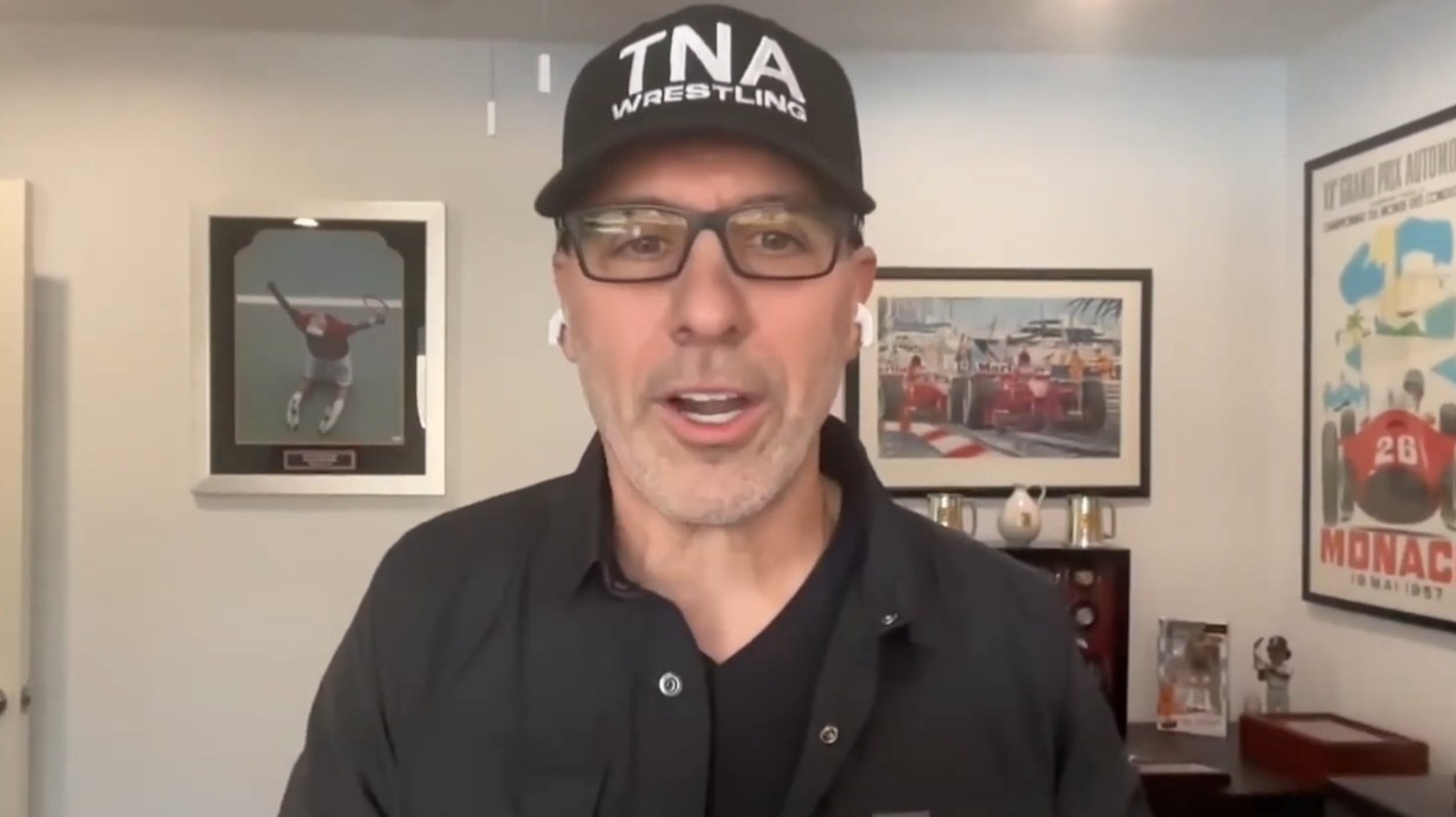
The invisible wall around Anthem's ring
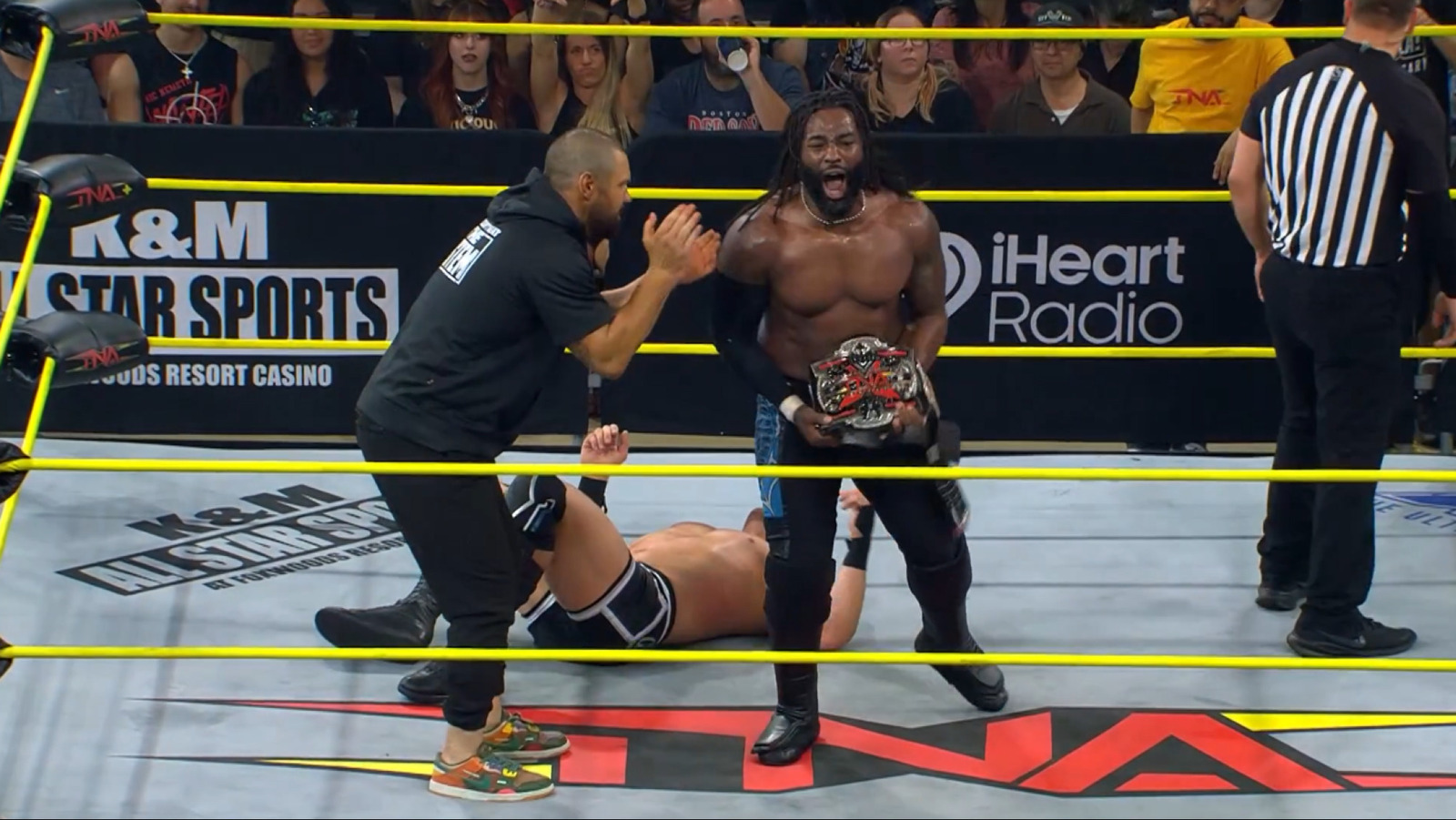
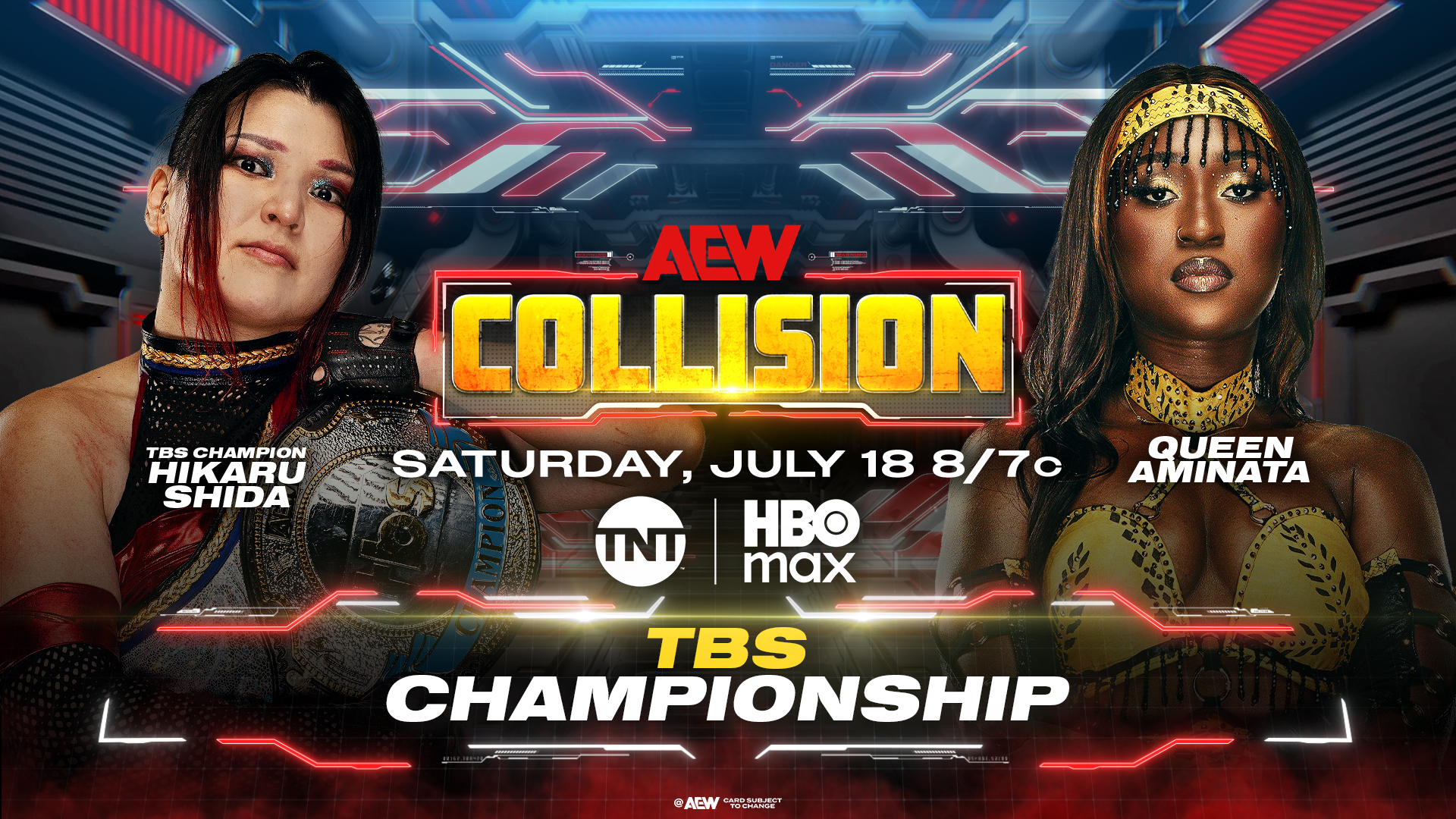
The spirit of the Forbidden Door was supposed to be about liberation. For years, the rallying cry for anyone outside the WWE bubble was that the industry worked better when talent could cross-pollinate, creating matches that felt like urban legends come to life. But lately, TNA Wrestling is acting more like a gated community than a pioneer of the open market. The recent news that management has once again nixed a high-profile independent match featuring one of its stars against an AEW wrestler isn't just a scheduling conflict. It is a fundamental shift in how the company views its place in the world.
According to reports from Wrestling Inc, this isn't an isolated incident. A new internal rule has been established that effectively vetoes matches against AEW talent on the indie circuit. For a roster that has spent the last three years being told they are the vanguard of a new, connected era, this feels like a sudden and jarring retreat. The frustration in the locker room is becoming impossible to ignore because it hits the wrestlers where it hurts most: their autonomy and their bank accounts.
The optics here are terrible. TNA is trying to assert a level of dominance and brand protection that usually belongs to companies with ten times their viewership. By preventing their talent from testing themselves against Tony Khan's roster in front of smaller, hungry crowds, they aren't making TNA look more prestigious. They are making it look like a promotion that is afraid of being outclassed on neutral ground.
The death of the D'Amore era's goodwill
Much of this tension can be traced back to the administrative shakeup that saw Scott D'Amore depart. Under the previous regime, there was a sense that TNA was the ultimate 'player's coach' promotion. If you worked hard on Impact, you were given the freedom to build your brand elsewhere. That flexibility was a massive selling point during contract negotiations. If TNA couldn't offer the seven-figure downsides of a WWE deal, they could at least offer the freedom to work a dream match against a Kenny Omega or a Will Ospreay on a Saturday night in Chicago.
Now, that bargaining chip is being set on fire. The current leadership at Anthem seems to believe that 'brand consistency' is more valuable than talent morale. They want to ensure that if you see a TNA star, it is strictly on a TNA-branded program or a sanctioned partner. The problem is that the 'sanctioned partner' list currently looks very thin. If you aren't working with AEW, and the WWE relationship is limited to specific crossover moments for a few top stars, where does that leave the mid-card? It leaves them stuck in a holding pattern, losing out on the massive exposure that comes with the AEW rub.
Wrestlers like Josh Alexander or Jordynne Grace have built their reputations on being 'workhorses' who can go anywhere and hang with anyone. When you tell a wrestler of that caliber that they can't take a booking because the opponent happens to work for the 'other guys,' you are effectively capping their growth. You are telling them that their brand is secondary to the company's petty political posturing.
Why the AEW factor is causing a breakdown
The relationship between TNA and AEW has always been asymmetrical. When Kenny Omega held the TNA World Championship, it brought eyes to the product, but it also made the TNA roster look like secondary characters in someone else's story. It seems the current management has developed a severe allergy to that dynamic. They would rather have no relationship than one where they feel like the junior partner. But in the wrestling economy of 2026, isolation is a dangerous strategy for a promotion of TNA's size.
The timing is particularly curious given that we are just 10 days away from WrestleMania 41 in Las Vegas. While the entire industry is looking for ways to maximize buzz and capitalize on the biggest week of the year, TNA is busy pulling talent from cards. Instead of letting their wrestlers headline indie shows and remind the world why TNA is a destination, they are forcing cancellations that leave promoters scrambling and fans disappointed. It creates a reputation for being 'difficult' that can take years to wash off.
There is also the mechanical reality of the wrestling itself. These indie matches are often where chemistry is built and new sequences are tested. Seeing a TNA standout hit a perfectly timed rolling elbow into a Code Red against an AEW high-flyer provides the kind of social media clip that drives ticket sales. By stifling these interactions, TNA is cutting off a vital supply of viral marketing. They are choosing to be a walled garden in a world that has already moved past that model.
A critical failure in management logic
Let's be blunt: TNA isn't in a position to be this picky. While the product on the screen has remained steady, the growth hasn't been explosive. The company needs its talent to be as visible as possible. Forcing a wrestler to cancel a match against a 'forbidden' opponent doesn't protect the TNA title; it just makes the person holding it look like they are on a shorter leash. It is a small-time move from a company that desperately wants to be seen as a major league player.
The internal 'new rule' is a classic example of solving a corporate problem while creating a human one. From a spreadsheet perspective, it might make sense to avoid giving free content to a competitor's talent. But wrestling isn't a spreadsheet. It is a business built on relationships and momentum. When you frustrate your locker room, the work-rate inevitably suffers. You start getting 'safe' matches instead of 'great' ones. You get talent who are counting down the days until their contracts expire so they can go somewhere that actually encourages their professional development.
We have seen this movie before. Every time a promotion tries to tighten its grip on talent in response to a perceived threat, it ends up pushing that talent away. The current roster is talented enough to main event anywhere in the world. If TNA continues to act as a barrier rather than a platform, those stars will find a platform that doesn't mind if their opponent is 'All Elite' for one night only.
The prediction for the fallout
This situation is going to boil over before the summer. We are going to see a high-profile exit or a public display of defiance from a top-tier TNA star who refuses to let their career be dictated by these arbitrary bans. Management will likely try to spin this as 'upholding standards,' but the fans will see it for what it is: a lack of confidence. TNA had the chance to be the neutral ground that made the wrestling world feel unified. Instead, they are building a fence that only succeeds in keeping their own stars trapped inside.
My prediction is that this 'new rule' will be quietly walked back or radically modified by the time we hit the post-WrestleMania season. The backlash from the indie community and the internal pressure from the locker room will become too much to handle. TNA cannot survive as an island in 2026. They will either reopen the door, or they will watch as their most valuable assets walk through it and never look back. Expect a major 'worked-shoot' promo on the next episode of Impact that mirrors this frustration—it's the only way they'll be able to save face at this point.
Read Next
- Marko Stunt's return to the ring signals a shift for the high-flyer
- Why a high-profile return could reshape the AEW locker room
- Top 10: Defining Moments on the Road to WrestleMania 41
- Lola Vice takes the throne as NXT prepares for a two-week Revenge
- 🚪 AEW Forbidden Door 2026 — AEW × NJPW Coverage Hub