WrestleMania Weekend: A Festival Hijacked?
WrestleMania Weekend, April 2026, was supposed to be a colossal celebration for every corner of professional wrestling. It's the one time a year when the entire industry descends upon a single city, a sprawling carnival of independent shows, meet-and-greets, and promotions of all sizes vying for a piece of that massive, ravenous fanbase. Then, TNA dropped a bombshell.
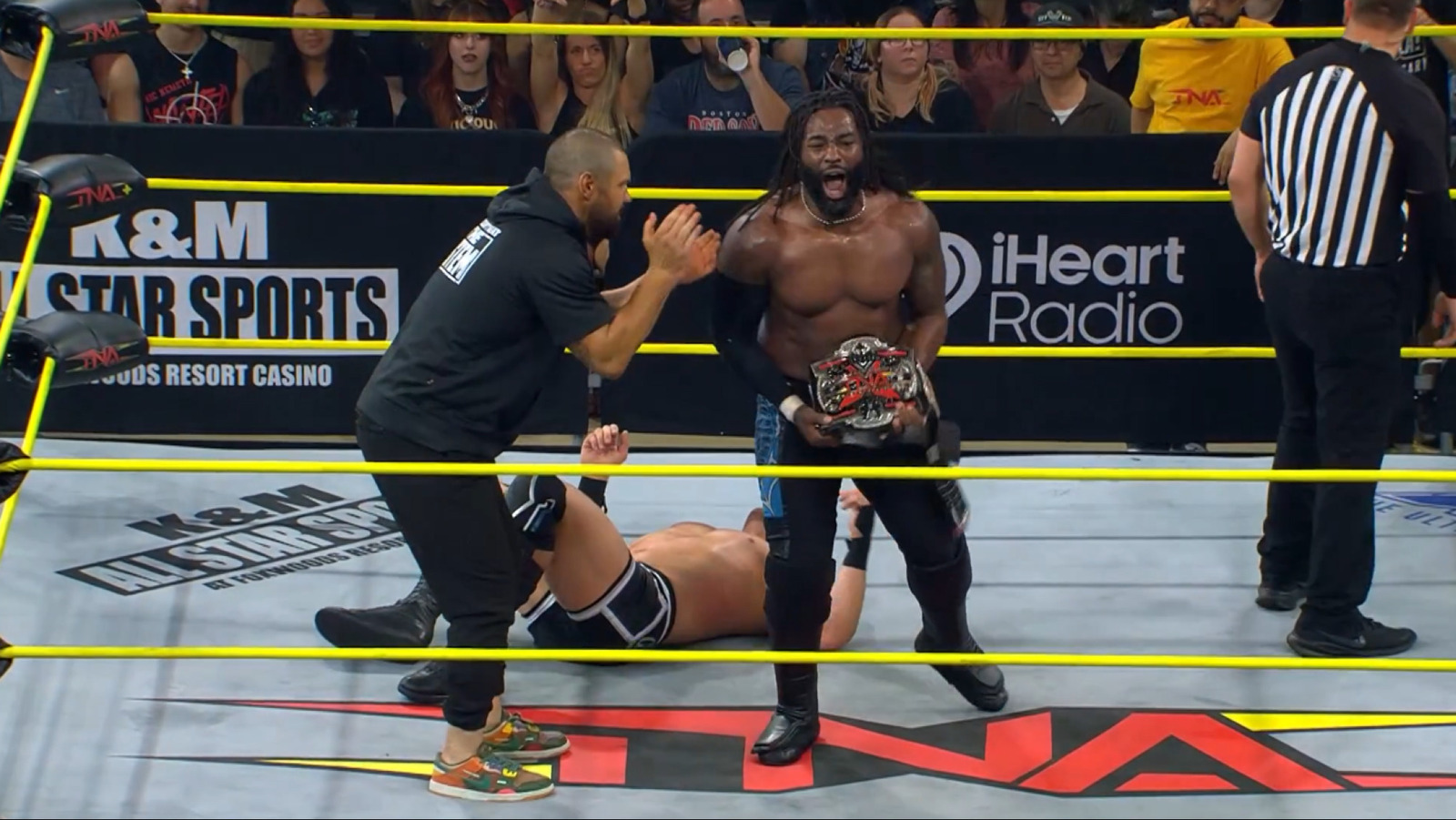
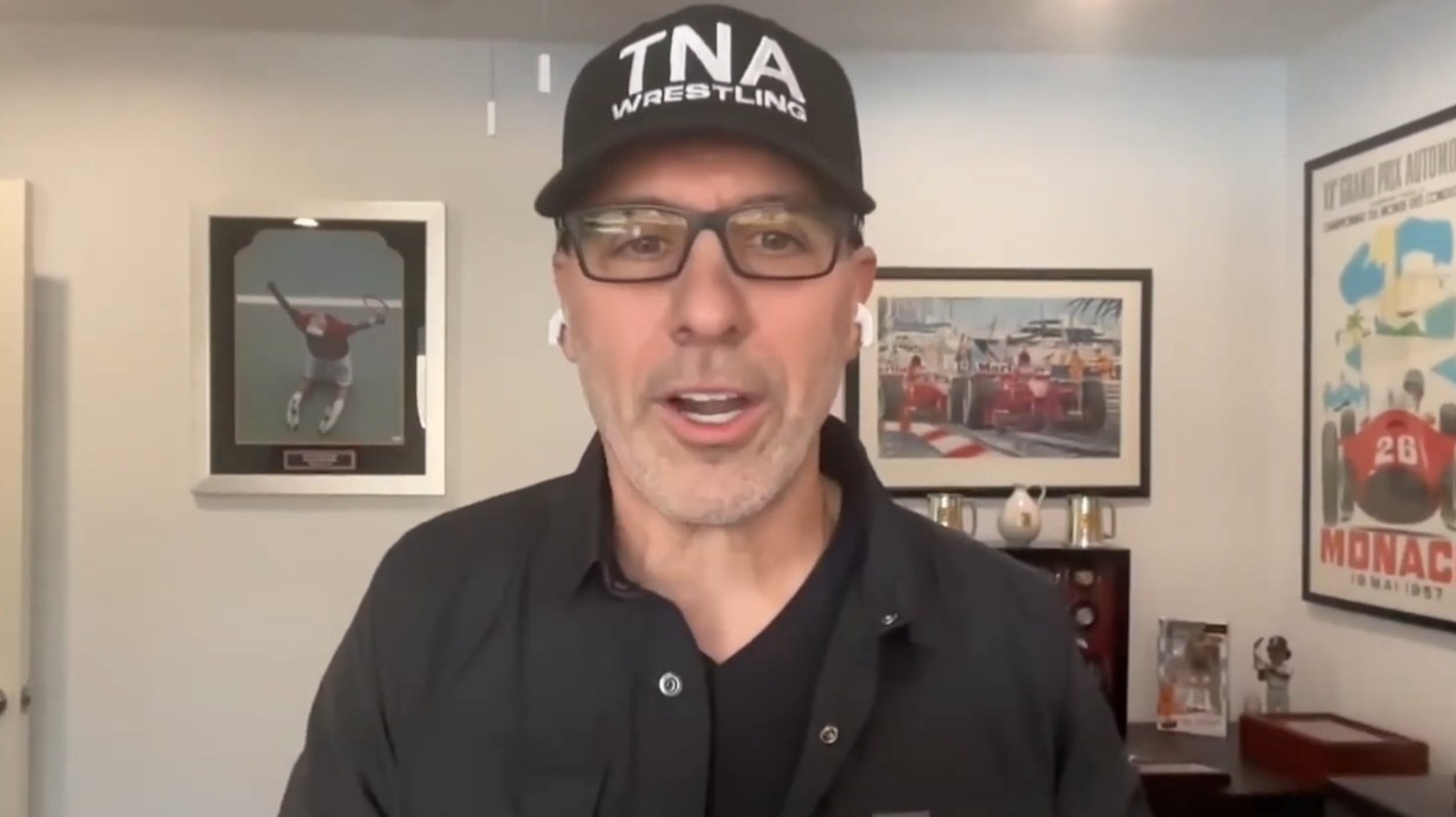
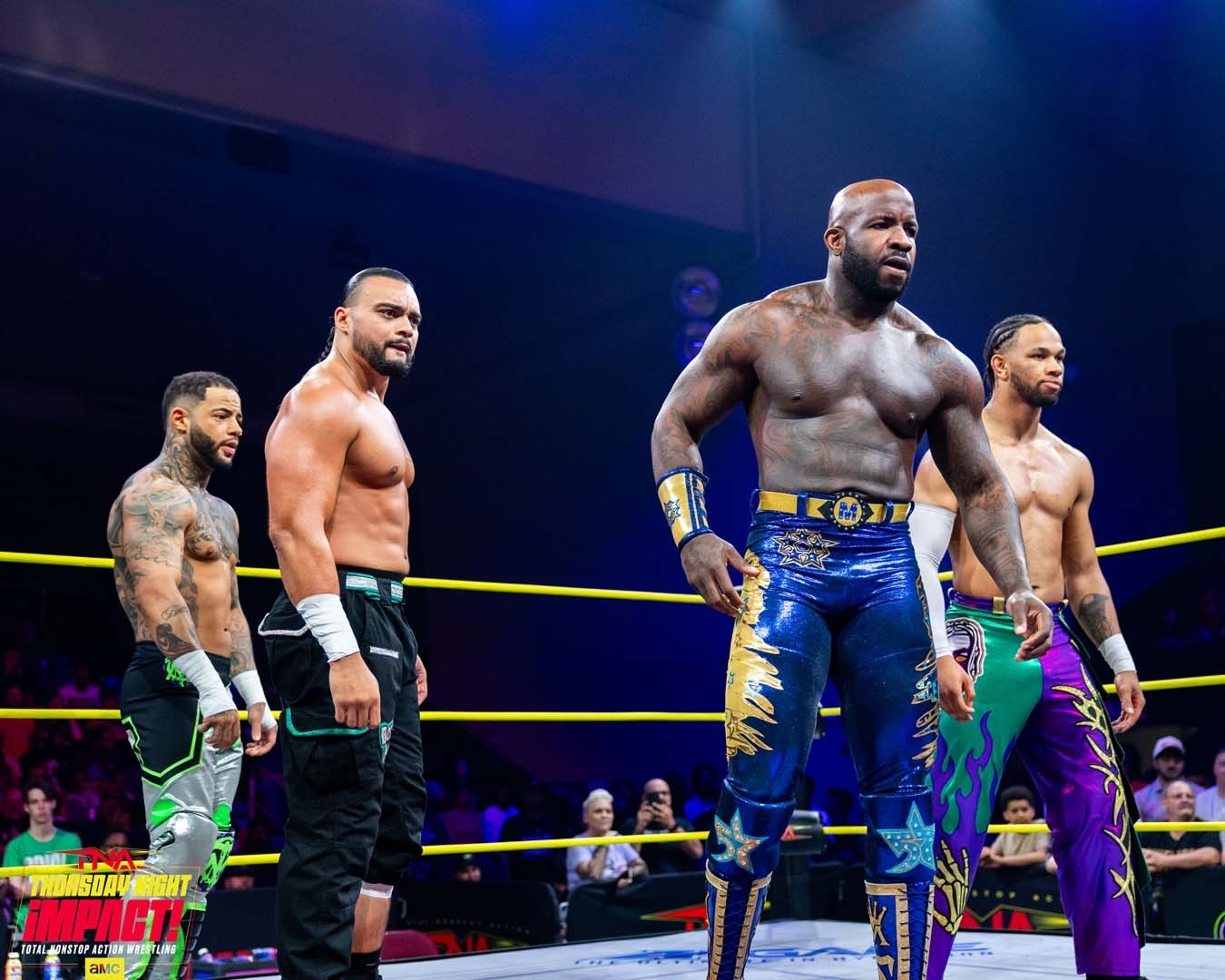
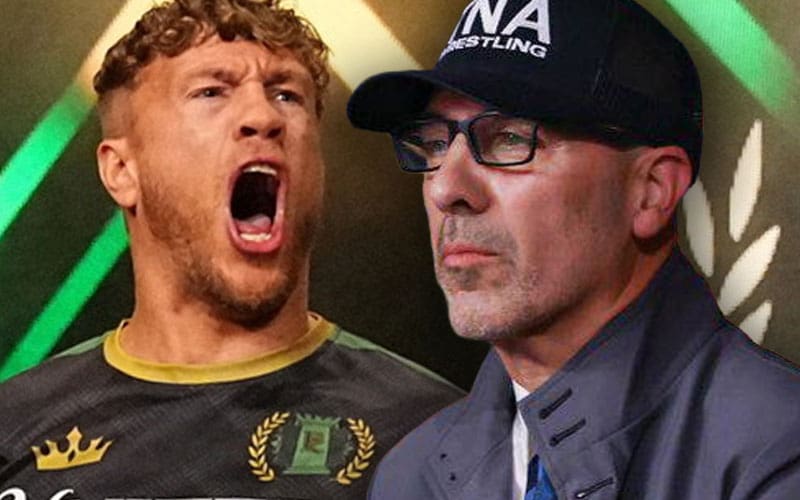
Reports filtered out that TNA Wrestling was actively pulling its contracted talent from various independent events scheduled throughout the weekend. The directive was clear: if you're TNA, you're not working for anyone else during the biggest wrestling party on the planet. This wasn't a quiet suggestion; it was an ironclad mandate that sent shockwaves through the indie circuit and left many promoters scrambling.
The Battle for Bandwidth: Why TNA Went Dark
On the surface, TNA’s explanation might sound reasonable: they wanted to protect their brand and ensure their talent wasn't overworked or, worse, injured right before key TNA programming. They might argue it's about maintaining exclusivity, keeping their stars shining only under the TNA banner. It’s a classic corporate line, one designed to project strength and strategic foresight.
But let's be real, this move reeks of something far more complex, and frankly, a bit desperate. WrestleMania Weekend is a golden opportunity for *any* wrestler, regardless of their home promotion, to gain exposure, earn extra money, and network. Preventing talent from participating isn't just about protection; it’s about control. It’s about TNA feeling overshadowed and attempting to carve out its own space by force, rather than by the strength of its product.
Historically, wrestling companies have been protective of their assets. WWE has always been a fortress. But TNA, traditionally, has been a bit more flexible, especially when it comes to allowing their talent to work select indie dates. This sudden, sweeping lockdown feels like a sharp turn, a reaction to perceived threats or perhaps a fear of their talent getting lost in the shuffle of WWE's colossal shadow.
Was this a move to assert dominance, or a nervous twitch from a company that can’t afford to lose even a fraction of attention? The timing is curious, coming just nine days before WrestleMania 41 Night 1. It suggests a last-minute panic rather than a long-game strategy. It’s difficult to spin this as a win for anyone involved.
Collateral Damage: Indie Dreams and Rosters Left Reeling
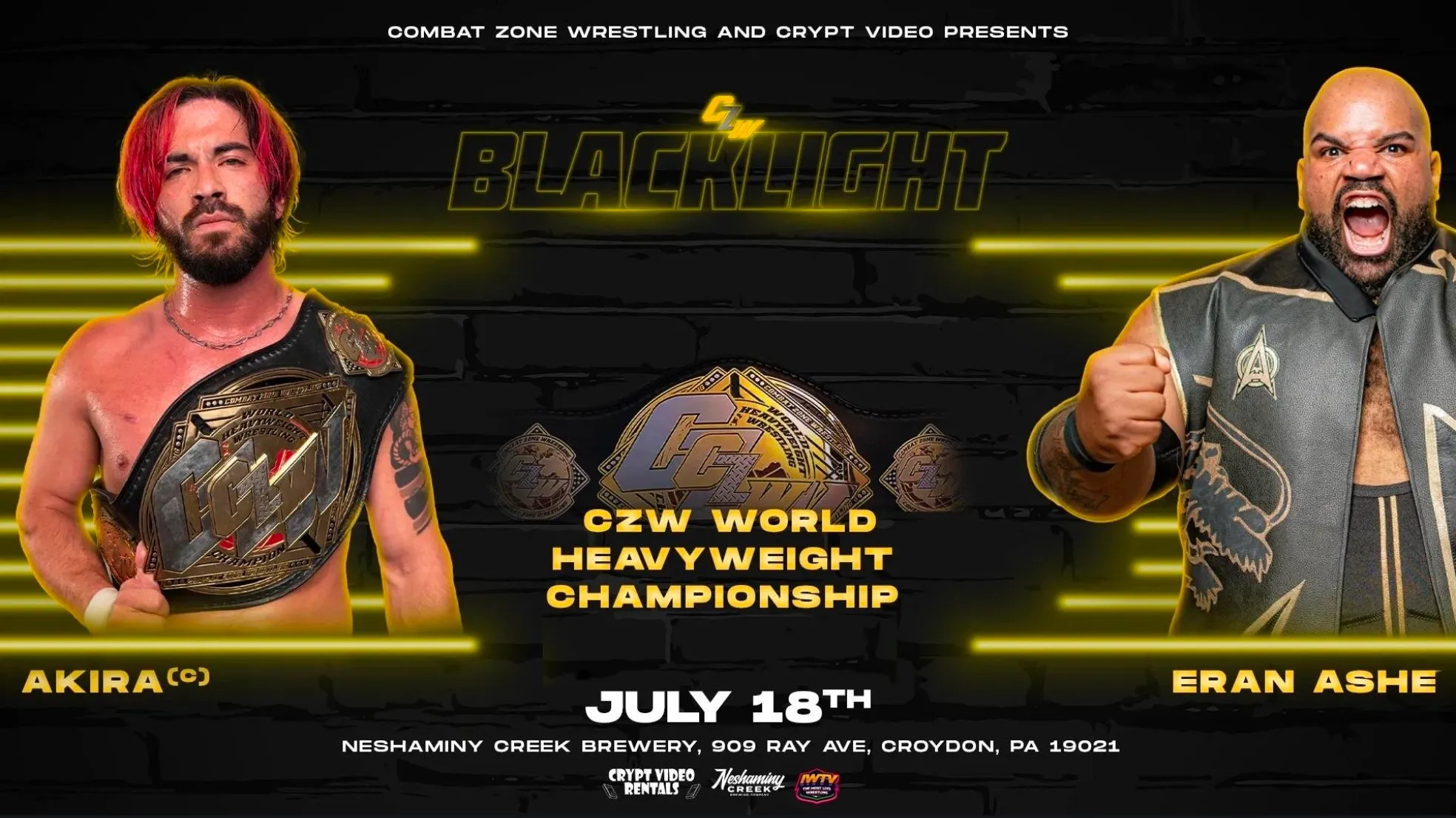
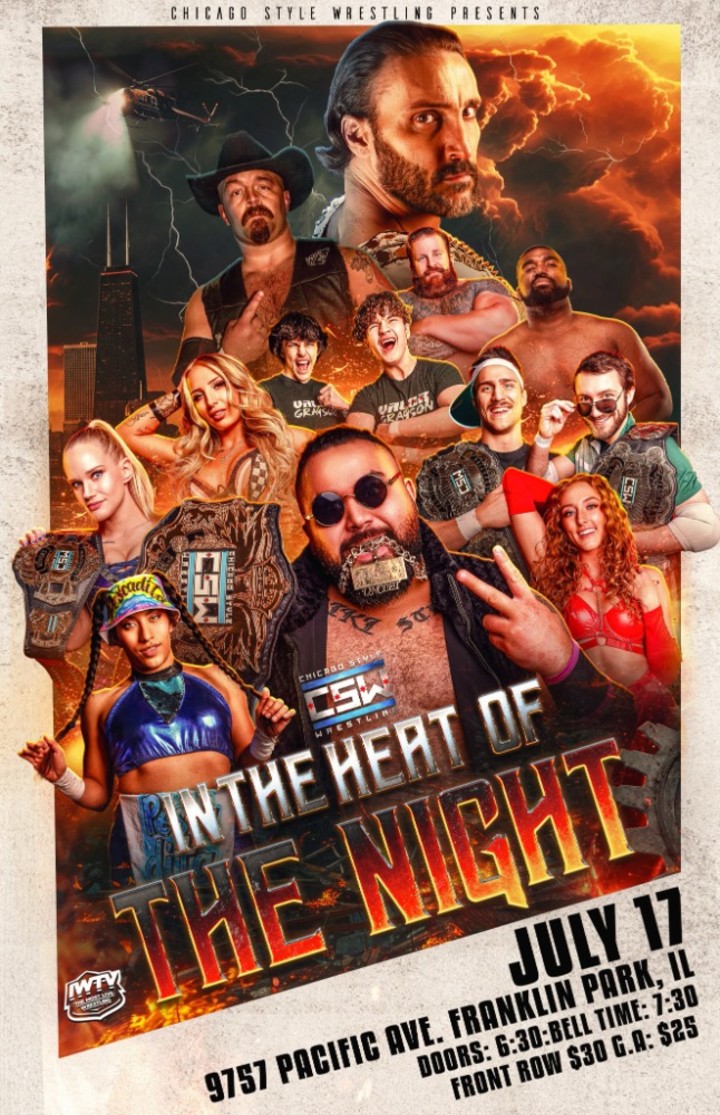
The immediate victims of TNA’s decision are undoubtedly the independent promotions that had painstakingly booked TNA talent for their marquee shows. Imagine spending months promoting a card, selling tickets based on a specific star, only to have them yanked days before bell time. Promoters like Game Changer Wrestling (GCW), Black Label Pro, and numerous others who traditionally feature TNA names during the weekend were left in an unenviable position.
This isn't just a scheduling headache; it's a financial hit. Lost ticket sales, refunds, and the frantic search for last-minute replacements can cripple a smaller promotion's entire event. The ripple effect extends to the talents themselves. Many TNA wrestlers rely on these independent bookings to supplement their income and maintain their connection with diverse fanbases. They miss out on paydays, exposure, and the sheer joy of working different styles.
Some wrestlers, in good faith, had already promoted their appearances, even bought their own travel. Now, they're left apologizing to fans and promoters, caught in the crossfire of corporate maneuvering. This kind of heavy-handed tactic can breed resentment within the locker room and alienate the very partners TNA might need down the line. It's a short-sighted move that prioritizes control over goodwill, and that's a dangerous game in a business built on relationships.
The optics are terrible. While WWE embraces the independent scene around WrestleMania, albeit from a distance, TNA chose to actively suppress its talent's participation. It makes them look insular, even petty, at a time when collaborative efforts often yield the best results for everyone involved. The wrestling world thrives on variety, and TNA just tried to choke a significant portion of it.
The Long Shadow: What This Means for TNA's Future
This isn't just about WrestleMania Weekend 2026; it’s a statement about TNA’s philosophy moving forward. Is this the new norm? Will TNA continue to restrict its talent from external bookings, even less prominent ones? If so, it could significantly impact their ability to attract top-tier independent talent in the future.
Wrestlers consider numerous factors when signing with a promotion, and the freedom to work outside dates is often a major perk. If TNA becomes known as a company that keeps its talent in a bubble, they risk losing out on desirable free agents who prioritize creative freedom and diverse opportunities. It’s a competitive market, with AEW offering a compelling alternative, and WWE always lurking. TNA needs every advantage it can get.
The perception this creates is that TNA is insecure. Secure companies, with strong brands and confident talent, allow their stars to shine wherever they go, knowing it ultimately reflects well on the home promotion. This move screams the opposite: a fear that TNA talent, once exposed to other environments, might be seen as less valuable, or that TNA itself might appear secondary. It's a critical misjudgment of their own standing.
This decision could further isolate TNA from the broader wrestling community. Burning bridges with independent promoters and potentially alienating their own roster for a fleeting moment of exclusivity seems like a strategic blunder. In a world where cross-promotion and collaboration are becoming increasingly common, TNA chose to pull up the drawbridge.
The Verdict: A Risky Bet in a High-Stakes Game
TNA's decision to pull its talent from WrestleMania Weekend events is a high-stakes gamble. It might temporarily protect their immediate programming from being overshadowed, but at what cost? The damage to their relationships with independent promotions, the potential disgruntlement within their own locker room, and the negative perception among fans could far outweigh any short-term gains.
In a business where goodwill and momentum are everything, TNA just scored an own goal. This wasn't a power play; it felt more like a panic attack, a desperate attempt to control an uncontrollable narrative. Time will tell if this bold move pays off, but right now, it looks less like a chess master's stroke and more like a company tripping over its own feet on the grandest stage of all.
Read Next
- TNA's WrestleMania Weekend Pullout: A Masterstroke or a Massive Own Goal?
- Tony Khan is talking about buying WWE again and my head actually hurts
- TNA is sabotaging the biggest wrestling week of the year for no reason
- Why Ted DiBiase is still questioning Roddy Piper's sudden death
- 🏆 WrestleMania 41 — Full Coverage Hub