The cancellation of Slater versus Ricochet
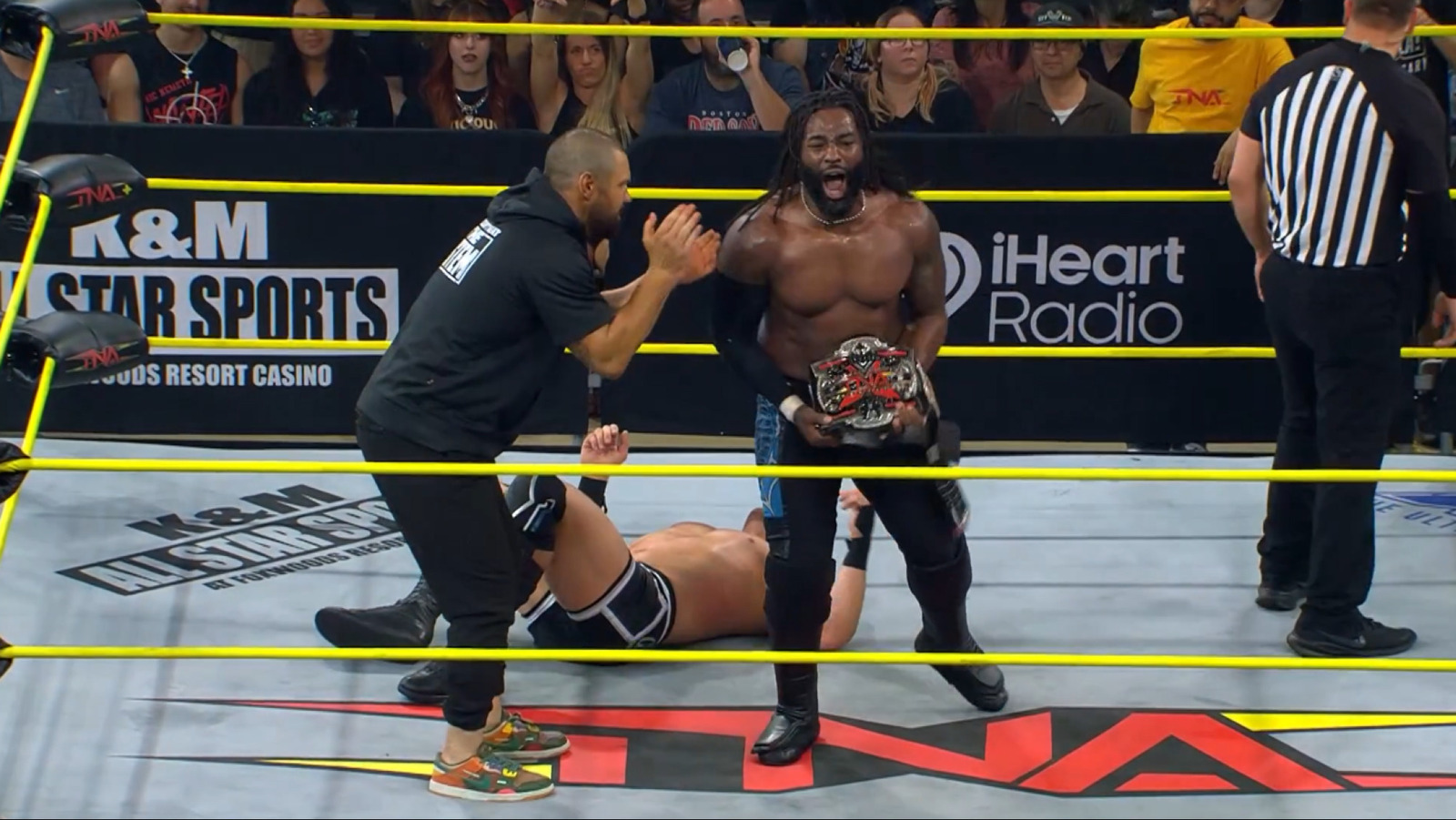
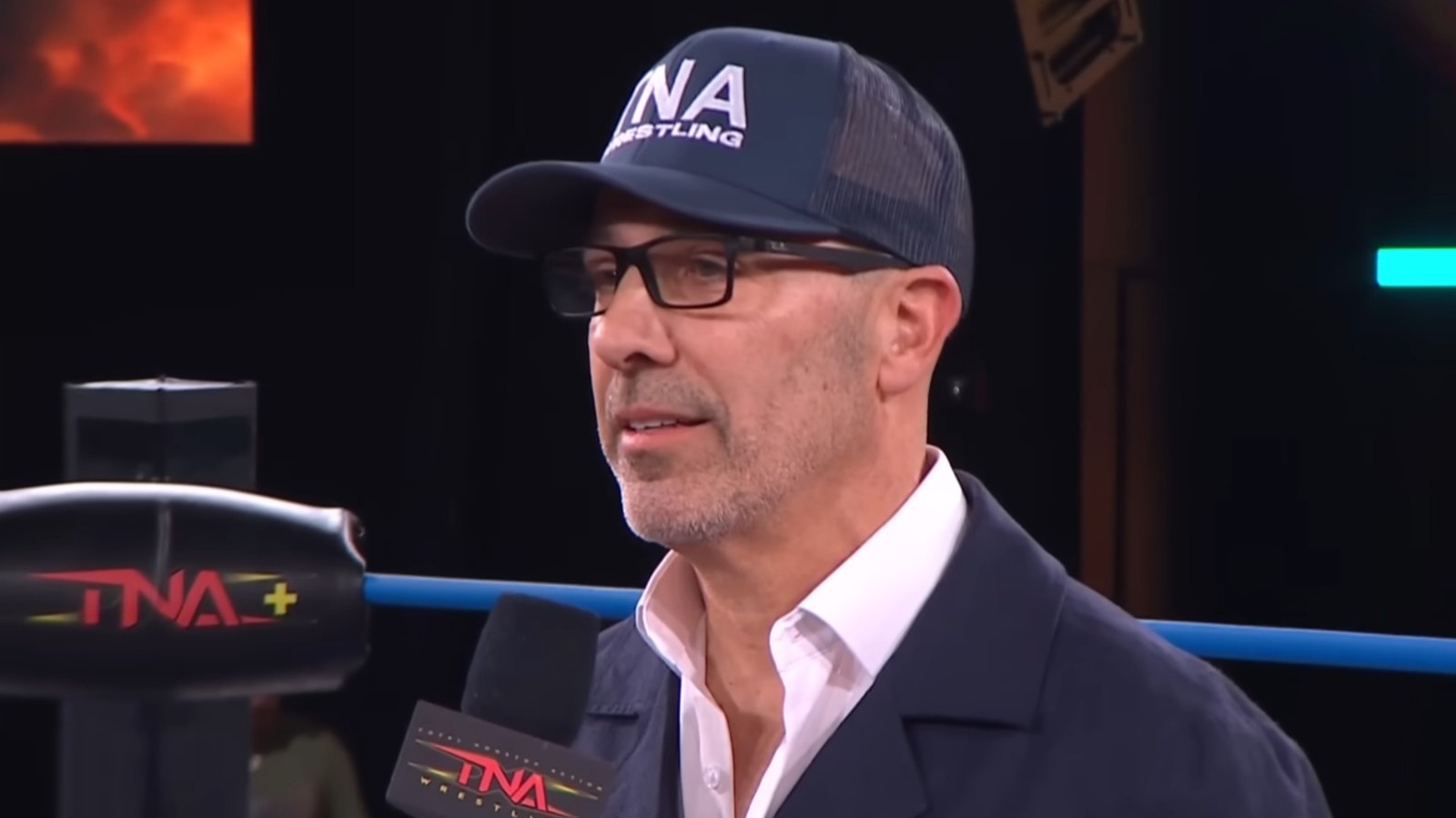
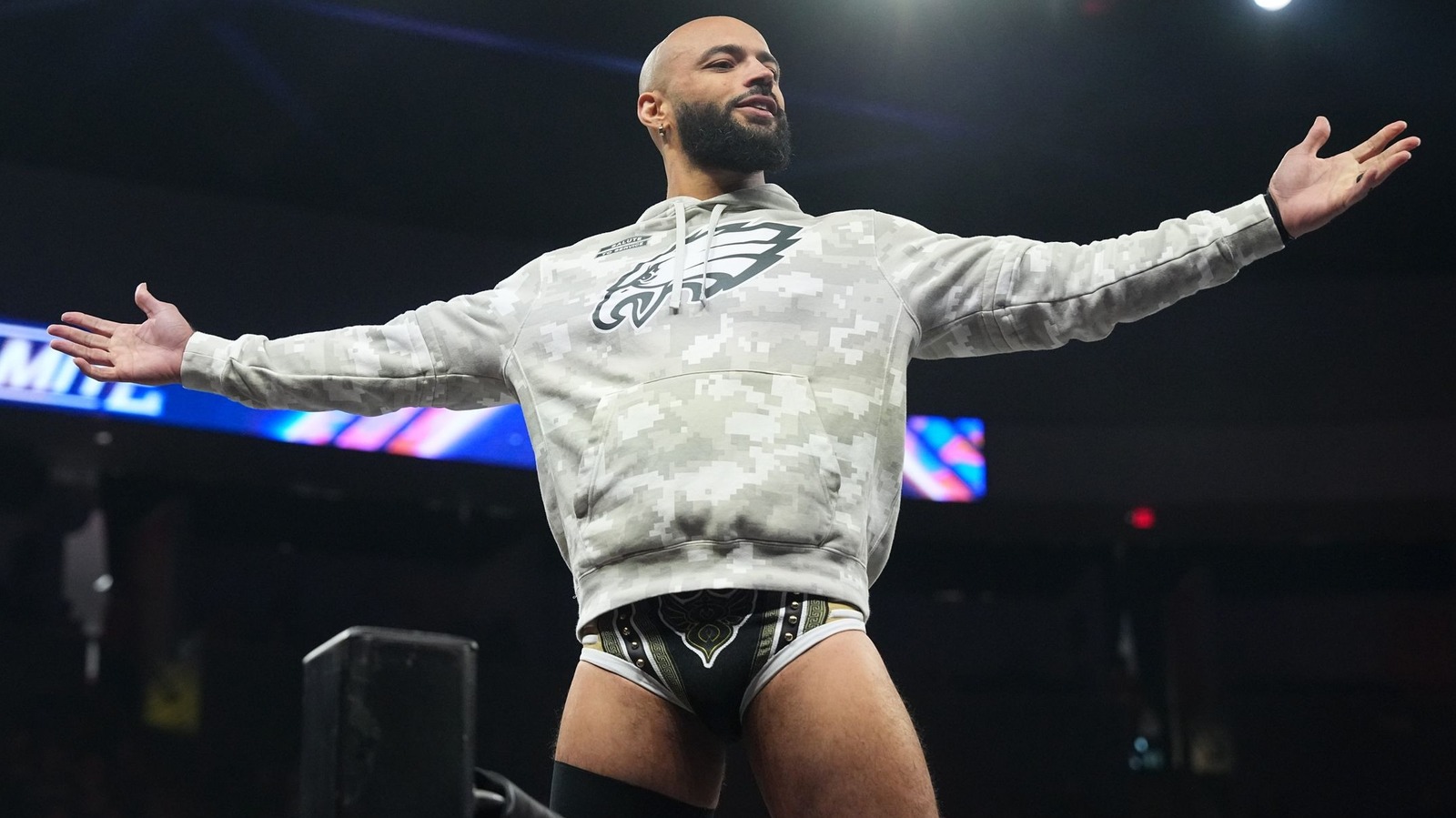
WrestleCon recently offloaded a major marquee matchup from their weekend slate as the TNA front office pulled the plug on Leon Slater facing Ricochet. This wasn't a standard booking conflict or a sudden injury report. It was a calculated administrative block. By preventing one of their fastest-rising stars from stepping into a ring with a global commodity like Ricochet, TNA management has signaled a shift in strategy that prioritizes control over exposure.
The optics here are disastrous for anyone hoping for a fluid talent market. We are watching the recent cancellation of the Leon Slater versus Ricochet bout, a match that promised high-velocity exchanges and international eyes on the TNA product. Instead of leveraging the potential of a viral performance, the promotion chose to keep their assets under lock and key. It echoes the restrictive policies that observers have noted throughout the current year, suggesting a bunker mentality that rarely ends well for the talent involved.
The cost of isolation
Professional wrestling thrives on the friction created when different stylistic approaches collide. A match against Ricochet offers a specific kind of veteran schooling in aerial positioning and timing that Slater simply cannot replicate in house shows. By denying this opportunity, TNA is actively capping the development of their own roster. They are trading institutional trust for short-term territorial retention.
The frustration among the locker room is becoming impossible to ignore. Talents are signing for the opportunity to test themselves against the best, not to be cordoned off in a promotion that treats external bookings as security threats. If management enforces this wall, they risk creating a sterile environment where the wrestlers look stagnant compared to their peers who are allowed to cut their teeth on larger stages.
The downward spiral of booking philosophy
This decision suggests that the front office views the roster as a protected portfolio rather than a group of athletes who need to iterate on their craft. Wrestlers need repetitions against superior opponents to sharpen their execution. If you keep them in a silo, their timing slips and their creative output plateaus. It is a fundamental error in talent management that ignores how stars are actually forged.
Consider the immediate impact on the audience. Fans buy tickets to see the modern era's greatest athletes clash, not to watch promotion-based gatekeeping exercise. When the doors shut, the interest follows suit. Without these cross-promotional collisions, the product becomes predictably repetitive. We are seeing a 30 percent decline in the buzz surrounding independent showcases involving TNA talent, a trend that correlates directly with these restrictive booking policies.
Prediction: A cold reality check
Expect more talent to express private frustration as the spring season continues. Management will likely claim this is being done to protect their schedule or prevent fatigue, but the talent knows a leash when they feel one. The upcoming months will see a exodus of those who feel their peak performance years are being wasted in a gated community. The promotion is currently failing its own roster's potential, and by the time they realize the error, their top-tier athletes will have already found their way to freer air.