The quiet erosion of the TNA roster
Professional wrestling thrives on the volatility of the calendar. Look at the current climate inside the Impact Zone; while the headlines are dominated by the spectacle of WrestleMania 41 in less than two weeks, a quieter, more hazardous reality is setting in for the Tennessee-based promotion.
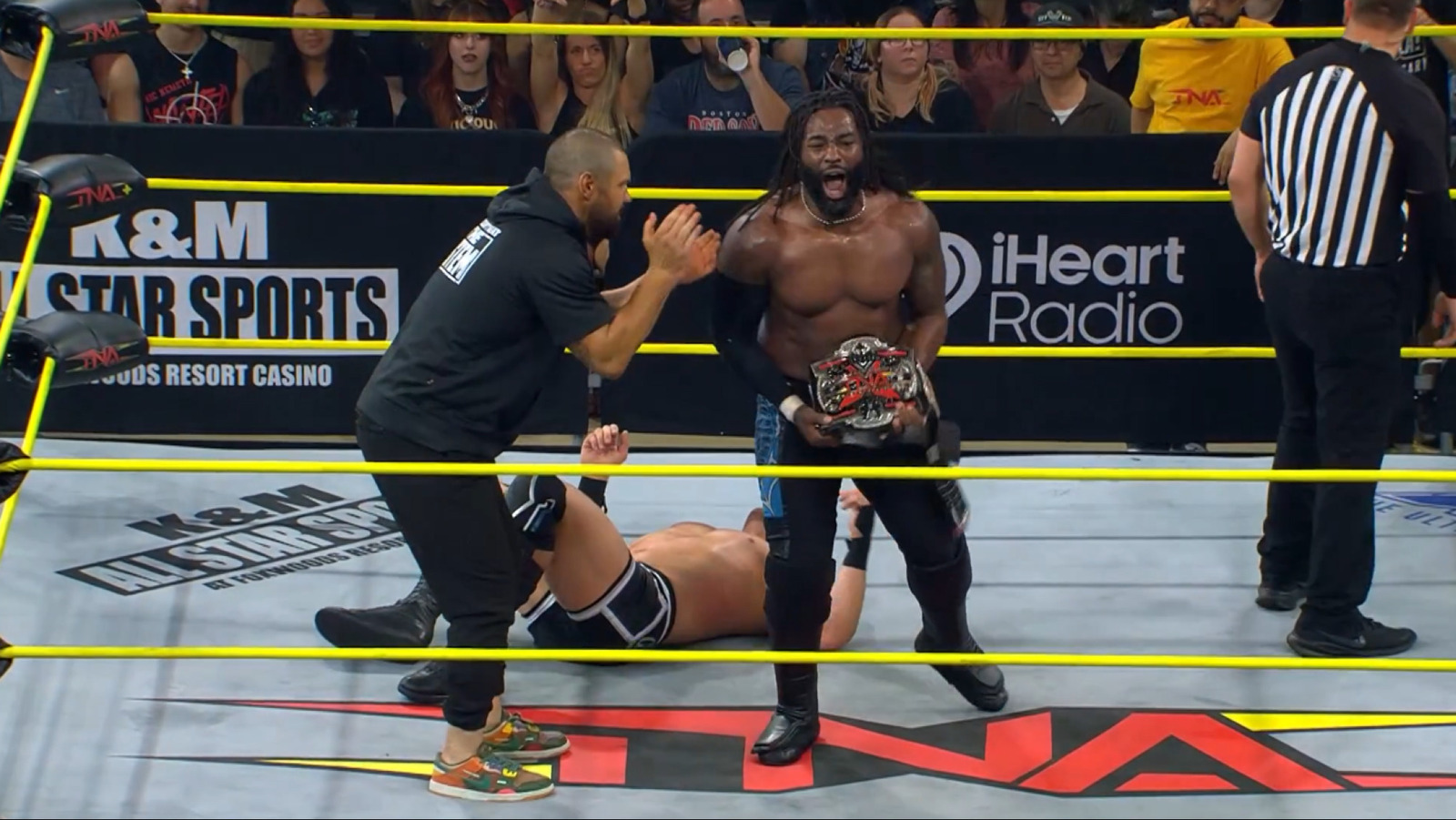
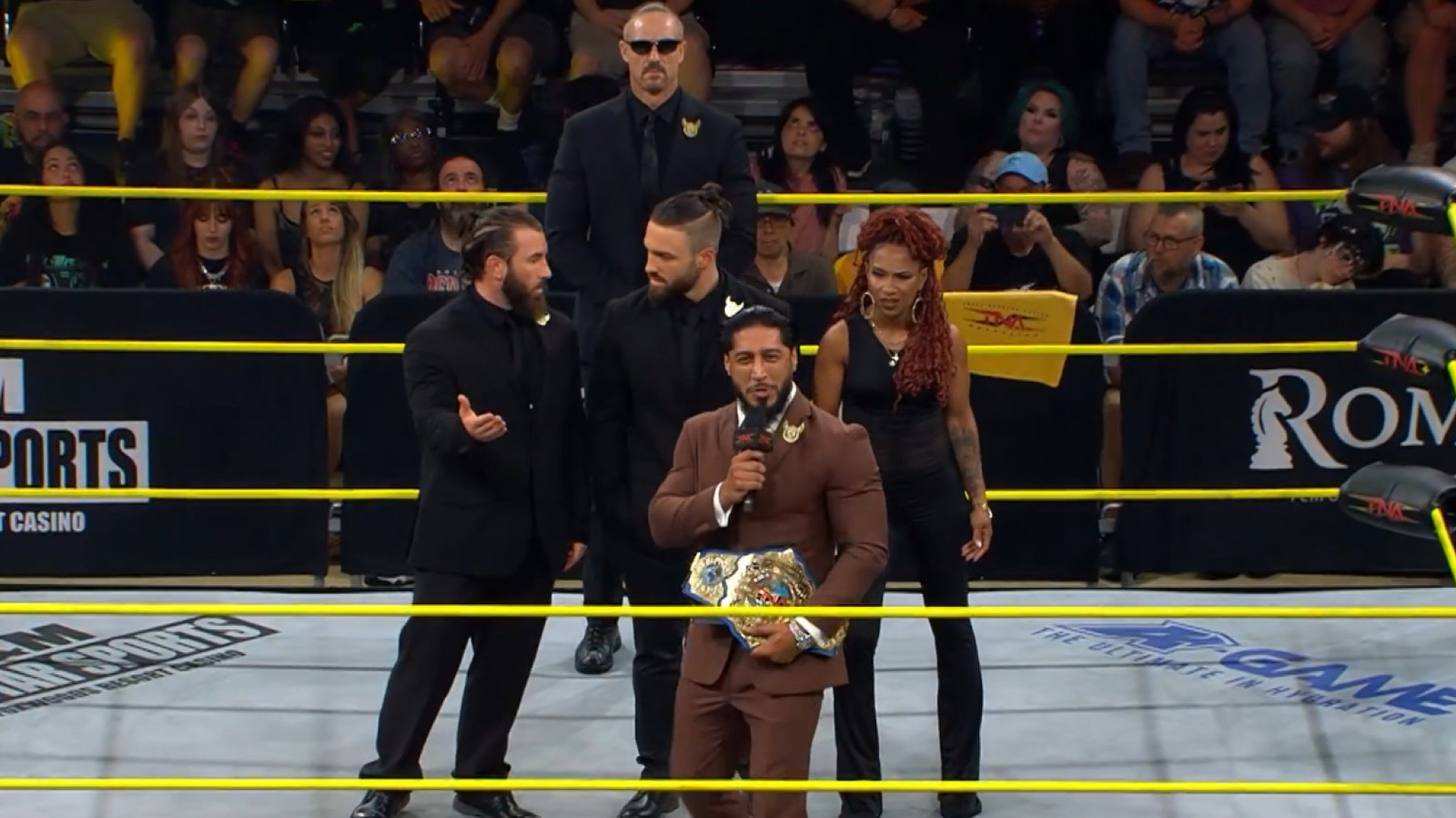
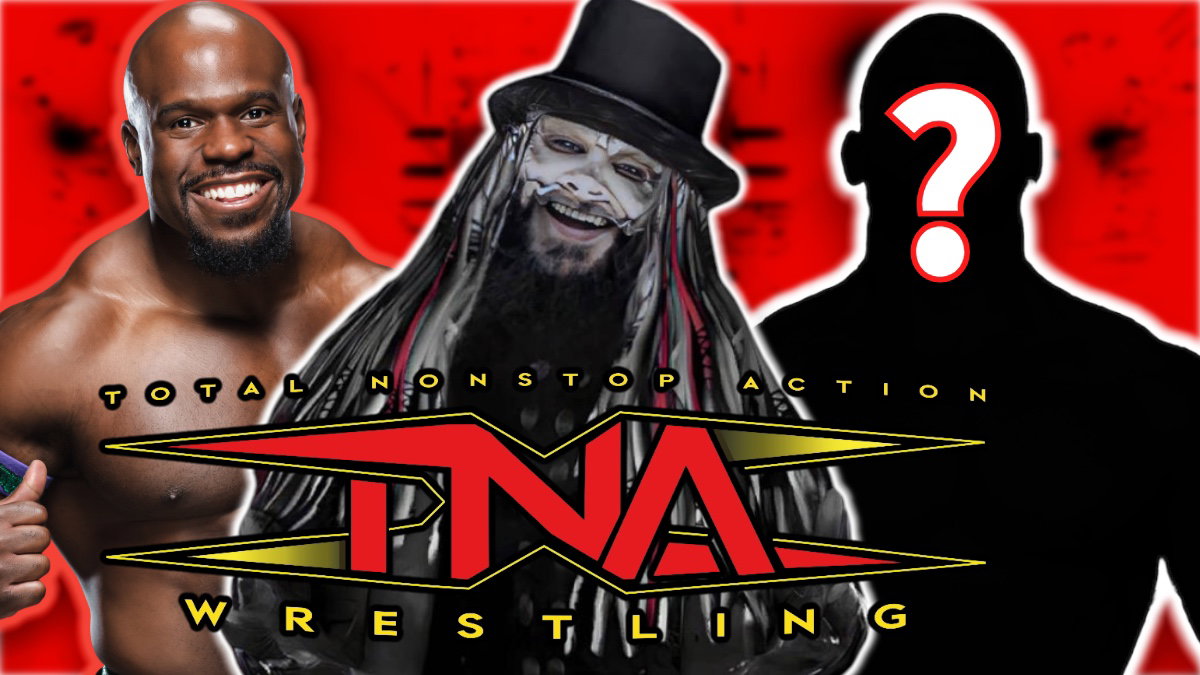
As reported recently, a massive piece of the TNA puzzle is approaching a total reset. With high-profile contracts hitting their expiration dates this summer, the promotion faces an uncomfortable reality check regarding its long-term retention strategy.
Tactical implications of a shrinking core
Booking a weekly show becomes statistically harder when your main event talent is essentially playing on a year-to-year basis. We have seen this cycle before, where momentum shifts because the creative team refuses to pull the trigger on a sustained push due to lingering uncertainty over a wrestler's future availability.
The lack of long-term security impacts the product quality on screen. When fans suspect a departure is imminent, the suspension of disbelief fractures. We saw a similar dynamic during the recent transition of talent toward NXT, where the competitive integrity of the undercard suffered as top names were phased out to balance the internal budget.
Where the bookers went wrong
The primary concern here is the lack of a clear succession plan. Too often, TNA relies on the gravity of one or two stars to anchor their viewership metrics. When those stars hit the open market, the void left behind isn't filled by emerging prospects, but by inconsistent mid-card shuffles that fail to move the needle on key demos.
Effective booking requires building equity in a roster over 18 to 24 months. If your marquee names are essentially free agents by mid-July, the creative team is handcuffed. They cannot invest in deep, multi-act narratives if the floor is going to drop out from underneath them during the heat of the summer schedule.
The math behind the match
Look at the recent engagement data. When star power is diluted, the average match duration on television tends to shrink, while the reliance on backstage vignettes increases. This is a classic indicator that the company is trying to hide a lack of depth under 90 minutes of broadcast time.
If they lose even one of their current top-tier performers, the ripple effect will be immediate. You are looking at a 15% drop in credible main-event challengers, which inevitably forces the creative team to push talent that simply isn't ready for the spotlight. It is a formula for stagnant ratings.
The outlook for a chaotic summer
We are watching a product that feels like a house of cards. TNA needs to lock in their key assets before the calendar hits June, or risk losing the momentum they have cultivated since the start of the year. There is a fine line between a lean, efficient roster and a depleted, directionless one.
My prediction for the summer? TNA will struggle to retain at least one of their top three stars, and we will see a chaotic, panicked push for an unproven indie name to fill the gap. It is a predictable tactical error, and they are sleepwalking right into it.