The fallout of the August 2025 departure
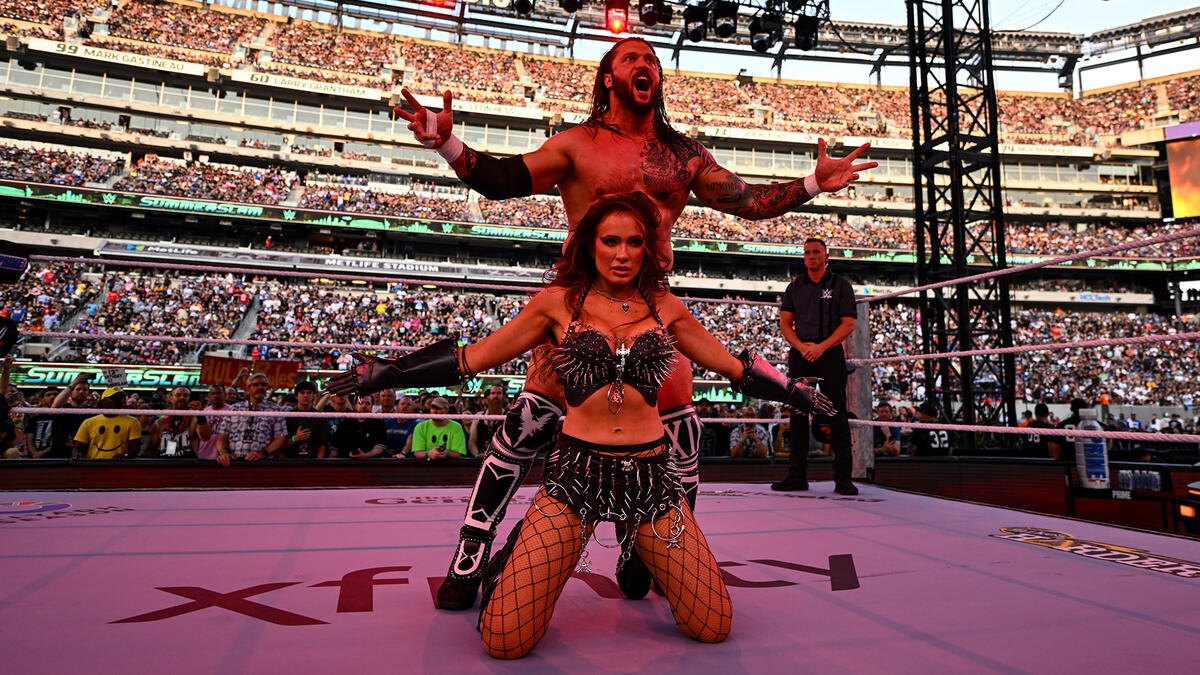
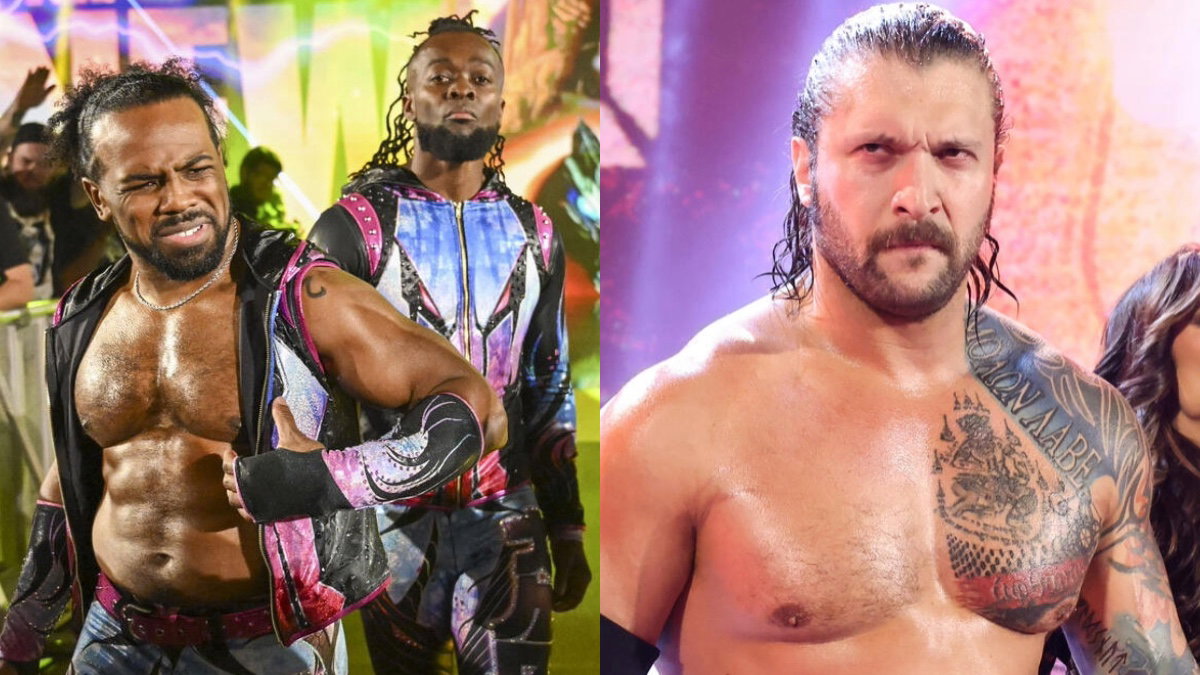
It has been exactly eight months since Karrion Kross departed WWE. The split remains a defining moment for the mid-card scene, ending a tenure defined by inconsistent creative direction and high-concept entrances that often struggled to land with the broader television audience.
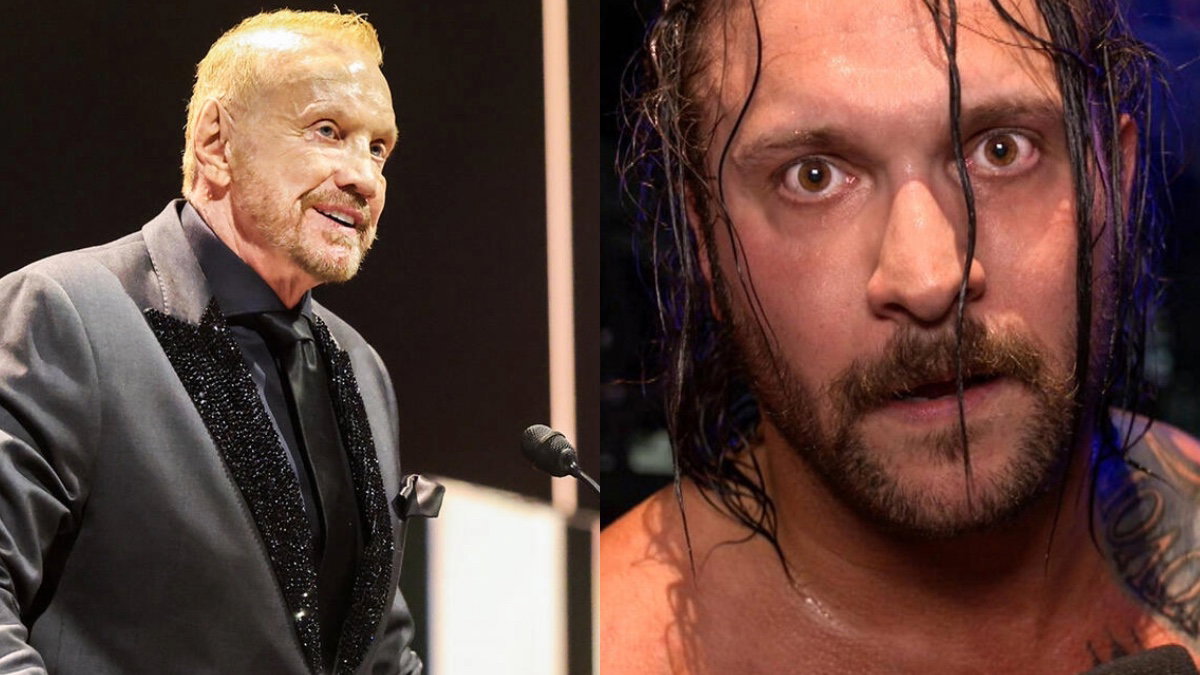
We now have clarity on the internal negotiations preceding that exit. As Diamond Dallas Page recently disclosed, the final contract offer presented to the former NXT Champion was viewed internally as mid-card money. That financial valuation signaled WWE's lack of intent to push Kross into the main event stratosphere.
Kross never recovered the momentum he enjoyed during his initial dominant run in the black-and-gold brand. While his 2020 NXT performances showcased a visceral, dominant style, his main roster presentation often felt disjointed. He spent his final year trading wins and losses, rarely finding a stable foothold in high-stakes feuds.
Why a change in promotion is the only path forward
Kross finds himself at a career crossroads. At this stage, he needs a promotion that prioritizes long-form psychological storytelling over the fast-paced, high-spot style that dominates current television product. He is not a high-flyer. He is a brawler who functions best when focused on submission game and grounded power moves.
Look at his work against opponents like Tommaso Ciampa or Keith Lee. Those matches succeeded because the stakes were clear and the pacing was deliberate. The current weekly grind of major promotions often negates that style, forcing competitors into five-minute segments that leave little room for nuanced character building.
The criticism regarding his WWE tenure is widely acknowledged by fans and pundits alike. Too often, his presentation felt like a collection of disparate ideas—the masks, the managers, and the cryptic vignettes—rather than a cohesive identity. Any new landing spot must strip away the over-produced presentation to restore the basic "Killer Kross" archetype.
Creative direction and potential fits
If he transitions to a promotion like TNA or a high-end independent group, the creative ceiling lifts immediately. These environments allow for more artistic control and consistent character writing. He doesn't need a massive entrance; he needs a reason to occupy the top of the card.
A return to high-stakes independent wrestling could repair the damage done to his branding. By working shorter, intense programs, he can re-establish the legitimacy of his submission arsenal, specifically the Kross Jacket. This move requires a credible setup, something he struggled to consistently deploy in the latter stages of his WWE run.
His ideal promotion would balance his look with a return to his roots as an uncompromising force. He is not a character who benefits from humor or self-deprecation. If he retains that stoic, intense demeanor, he remains a viable main event talent for companies looking to shake up their title pictures before the winter months.
Assessing the risk and the reality
The probability of a massive, splashy signing to another major global powerhouse is low. The wrestling industry has shifted, and promoters are hesitant to commit to high-salary veterans without a clear, immediate plan for ticket sales. Kross is a name, but he is currently a project in need of rehabilitation.
We have to be critical of his lack of adjustment during his final six months in WWE. Many talents adapted to the changing stylistic demands, but Kross remained tethered to an aesthetic that didn't connect with the casual audience. His inability to pivot is a legitimate concern for any booker considering him for a marquee spot.
The market is saturated with former WWE talent, making the jump significantly harder for anyone exiting that bubble. He faces competition from hundreds of hungry performers who do not come with the baggage of a main-roster letdown. Unless he arrives with a completely revamped approach, he risks stalling out on the undercard of a smaller promotion.
The expected impact of a return
If he lands in a promotion like TNA, expect an immediate push. He carries name value and can legitimately threaten a world champion within three to four weeks of a debut. His presence provides an instant antagonistic foil for a babyface champion.
The anticipated timeline for this return is immediate. With eight months of inactivity, he is physically refreshed and likely looking to resume his career before the summer touring season peaks. If he stays on the sidelines much longer, he risks falling out of relevance among a fan base that moves from story to story with blistering speed.
A successful debut would likely involve a surprise appearance at a middle-tier pay-per-view. It is a formula that works: a staredown to close the show, followed by a series of squash matches to re-establish his dominance. If the promotion gets the tone right, they pick up a hungry veteran with a point to prove. If they get it wrong, they add another name to the growing list of high-priced talent that failed to materialize into draws.