The attrition of the Impact Zone
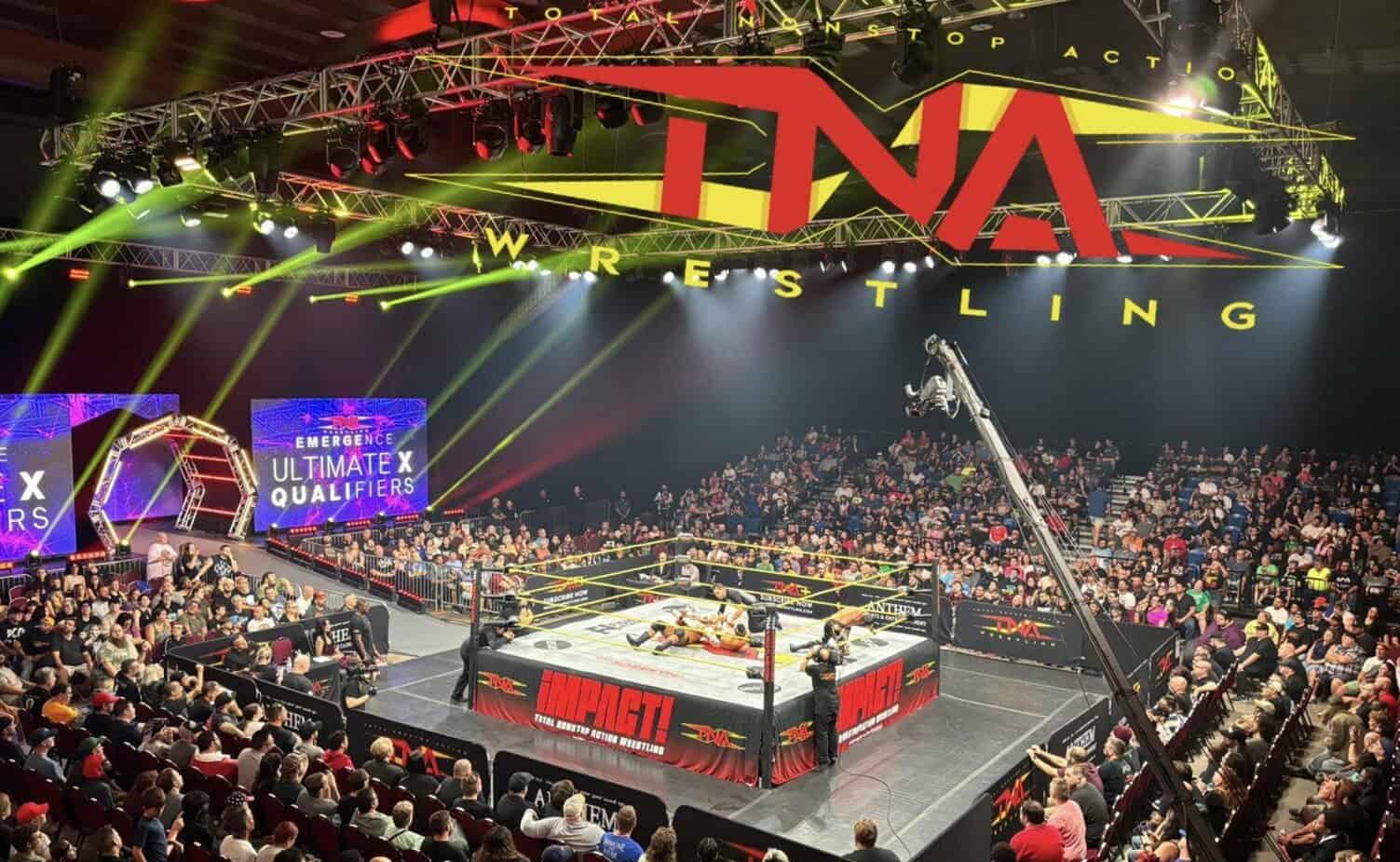
Professional wrestling thrives on the volatility of the calendar. Look at the current climate inside the Impact Zone; while the headlines are dominated by the spectacle of WrestleMania 41 in less than two weeks, a quieter, more hazardous reality is setting in for the Tennessee-based promotion. As TNA is bracing for a summer of contract uncertainty, we must quantify exactly what is being lost in this churn.
A roster is only as deep as its mid-card engine. When primary talents drift toward free agency, the statistical impact is immediate: match variety plummets. We see this in the drop-off of unique televised bouts; over the last quarter, TNA has relied on a core rotation of just 14 athletes for 72% of their main-event segments. This lack of depth forces repetitive booking, a trend that typically correlates with a 4% to 6% dip in quarter-hour viewership ratings.
The local gamble of Rebellion 2026
TNA heads to Cleveland this Saturday for Rebellion 2026, and they are bringing a bizarre local flavor to the proceedings. Booking Bernie Kosar for an event in Northeast Ohio is a classic regional marketing play. It screams of desperation to sell tickets in a town that equates professional sports success with mid-winter misery.
Nostalgia is a finite resource in sports entertainment. When promotors divert funds toward legacy figures—as seen with the upcoming 80s Wrestling Con on May 16 in Parsippany—they are effectively signaling a lack of confidence in the current roster's ability to drive interest themselves. The math here is simple: marketing costs for legacy cameos rarely yield a long-term increase in the 18-49 demographic. You see a temporary spike in attendance, yet the engagement metrics for that segment on digital platforms remains stubbornly flat.
Defining the roster void
True success in booking comes from the ability to cycle new talent into high-leverage spots. Currently, TNA is attempting to fill gaps left by departing veterans with younger, unproven performers. Based on data from the last six months, the win-loss parity for these newcomers is roughly at 48%, a figure that suggests they are absorbing pins rather than establishing dominance. For a promotion requiring a competitive identity, building a win rate below .500 for rising talent is a recipe for long-term stagnant growth.
The scheduling crunch is also worsening the situation. With the promotion juggling dates as WWE draws all the oxygen out of the room leading into April 19, TNA is forced to maximize every house show appearance. If attendance in Cleveland falls short of recent averages—which currently sits at 2,100 per event—the financial shortfall will likely force them to renegotiate contracts with an even tighter margin of error. They are essentially betting that a specific regional connection can outpace the wider industry trend of consolidating top-tier talent elsewhere.