The instability of professional wrestling rosters
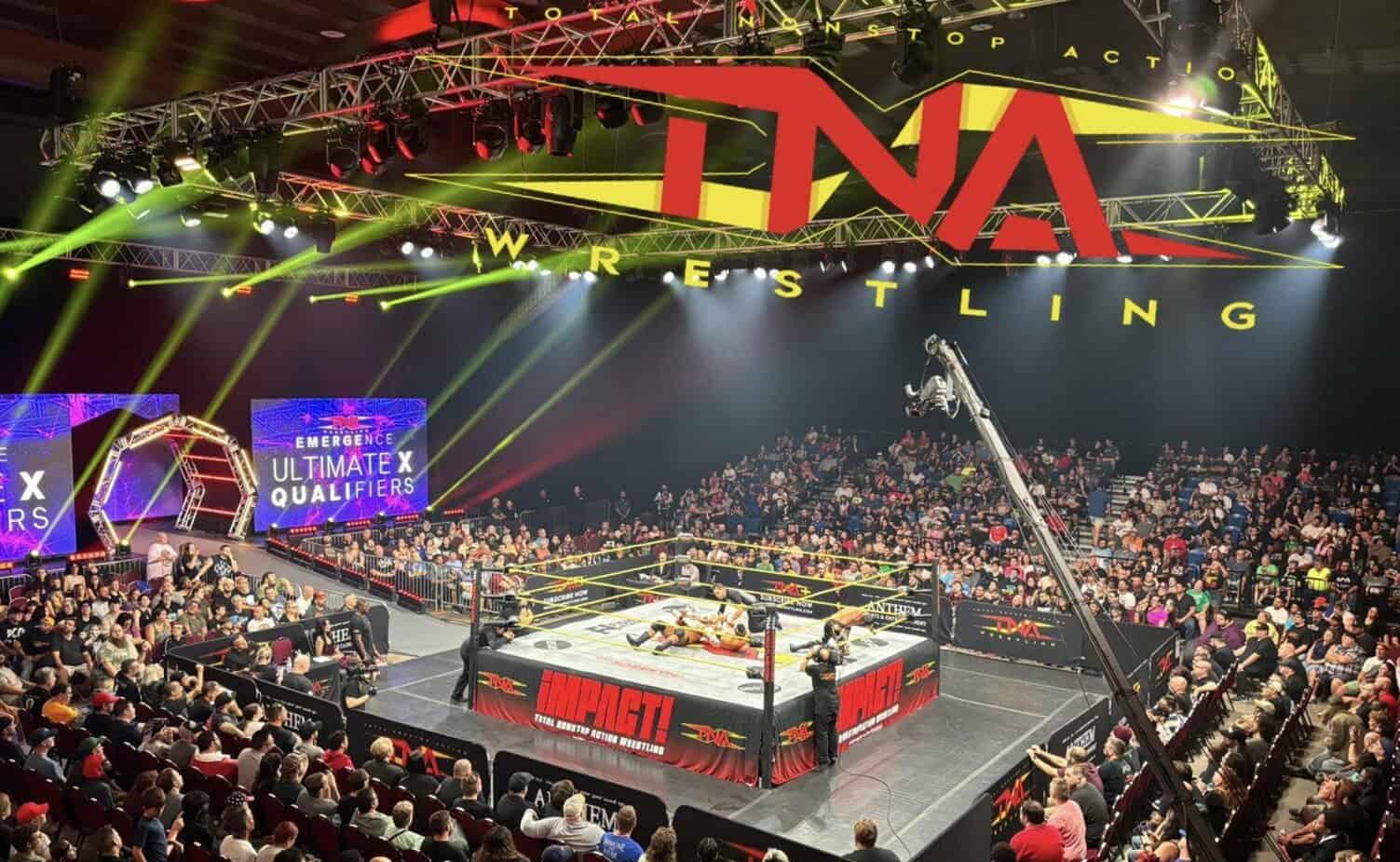
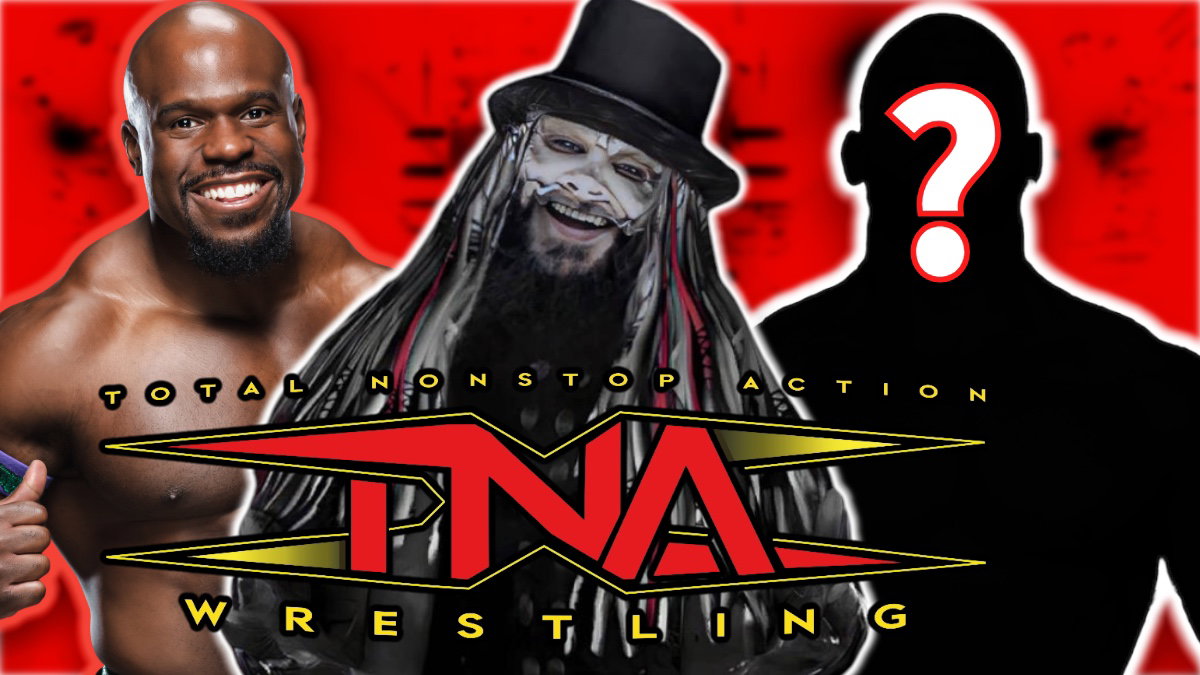
Professional wrestling operations often hide turnover behind the guise of creative directions, but the math reveals a more volatile reality. With TNA releasing two talents this week—including a former champion—and reporting that at least two additional contracts are set to expire imminently according to Ringside News, the promotion is facing a significant shift in its active roster composition.
These departures represent more than just individual career transitions. When a promotion cuts loose a former champion alongside unnamed developmental or mid-card talent, it signals a deliberate effort to manage fiscal overhead. This is a common pattern for second-tier promotions attempting to maintain profitability while navigating a tightening market for televised wrestling.
The career trajectory of the departed
Retirement often follows these high-level cuts, a trend established years ago when talents like Layla chose to exit the industry entirely. After signing a three-year deal in 2015, Layla stepped away from the ring months into the contract, as noted by Wrestling Inc. The mental and physical attrition involved in constant roster turnover creates a distinct pattern: legacy veterans often prefer early exit over the uncertainty of the independent circuit.
Meanwhile, active performers like GHC Heavyweight Champion Shane Haste view the current climate as a strategic chess game between global promotions. Haste, who operated under the monikers Shane Thorne and Slapjack during his previous stint in the WWE, holds a unique vantage point on how companies value veteran consistency versus youth potential. According to his recent interview with Bodyslam.net, the mobility between WWE, NJPW, and AEW has never been higher, even if the primary goal remains securing consistent, long-term tenure.
Defining the efficiency of a roster
Quantifying roster efficiency is notoriously difficult, yet the turnover rates remain a stark figure. When a company loses 5-10% of its active performers in a single fiscal quarter, the creative continuity suffers. The constant need to repackage remaining talent often leads to mid-card stagnation, preventing the development of fresh, long-term rivalries.
The current cycle in TNA underscores a worrying trend for long-term viewer engagement. Without the stability of a core roster for a minimum of 24 months, the odds of building a breakout star plummet. The most successful eras for any promotion—including WWE's own historical benchmarks—correlated with an active roster turnover rate of less than 15% per year. Current volatility suggests that companies are opting for cost-cutting over long-term narrative investment. The lack of patience for development is the industry's most significant anchor on product quality.