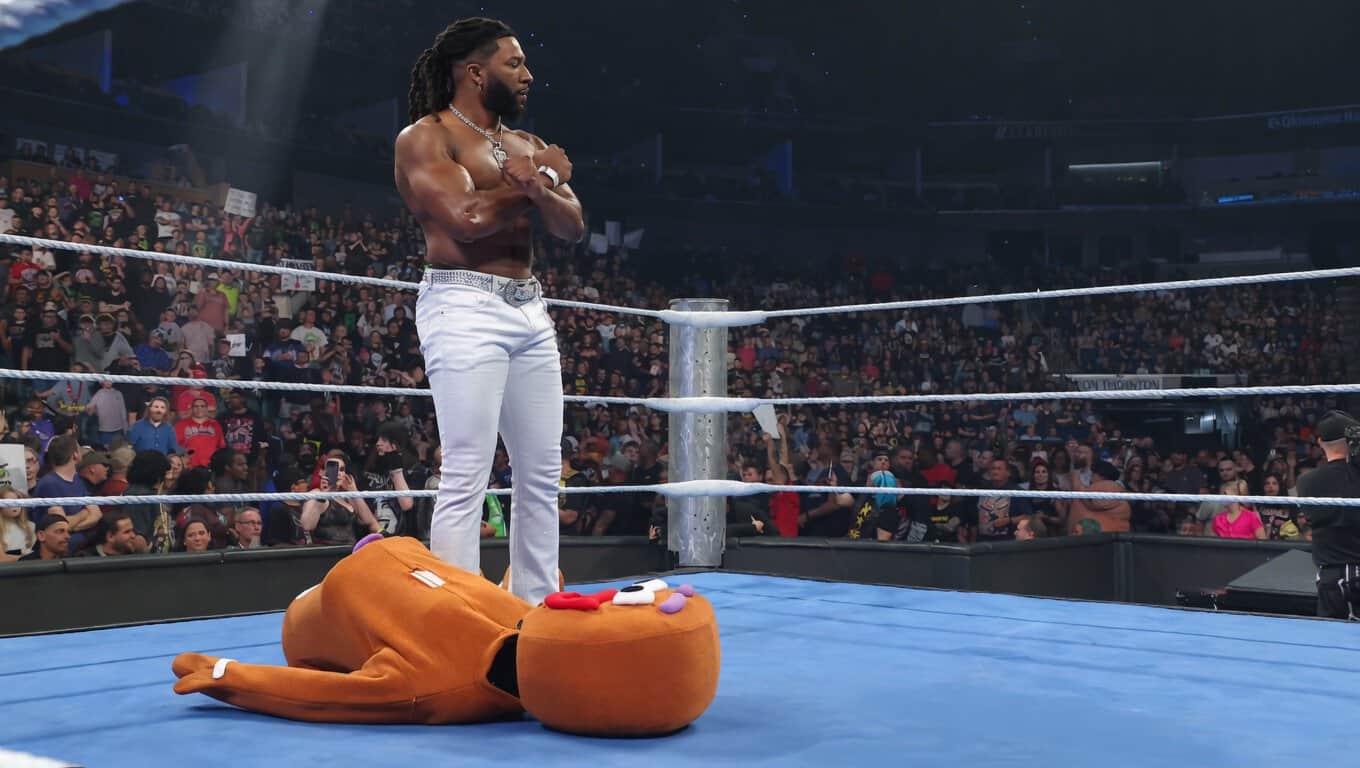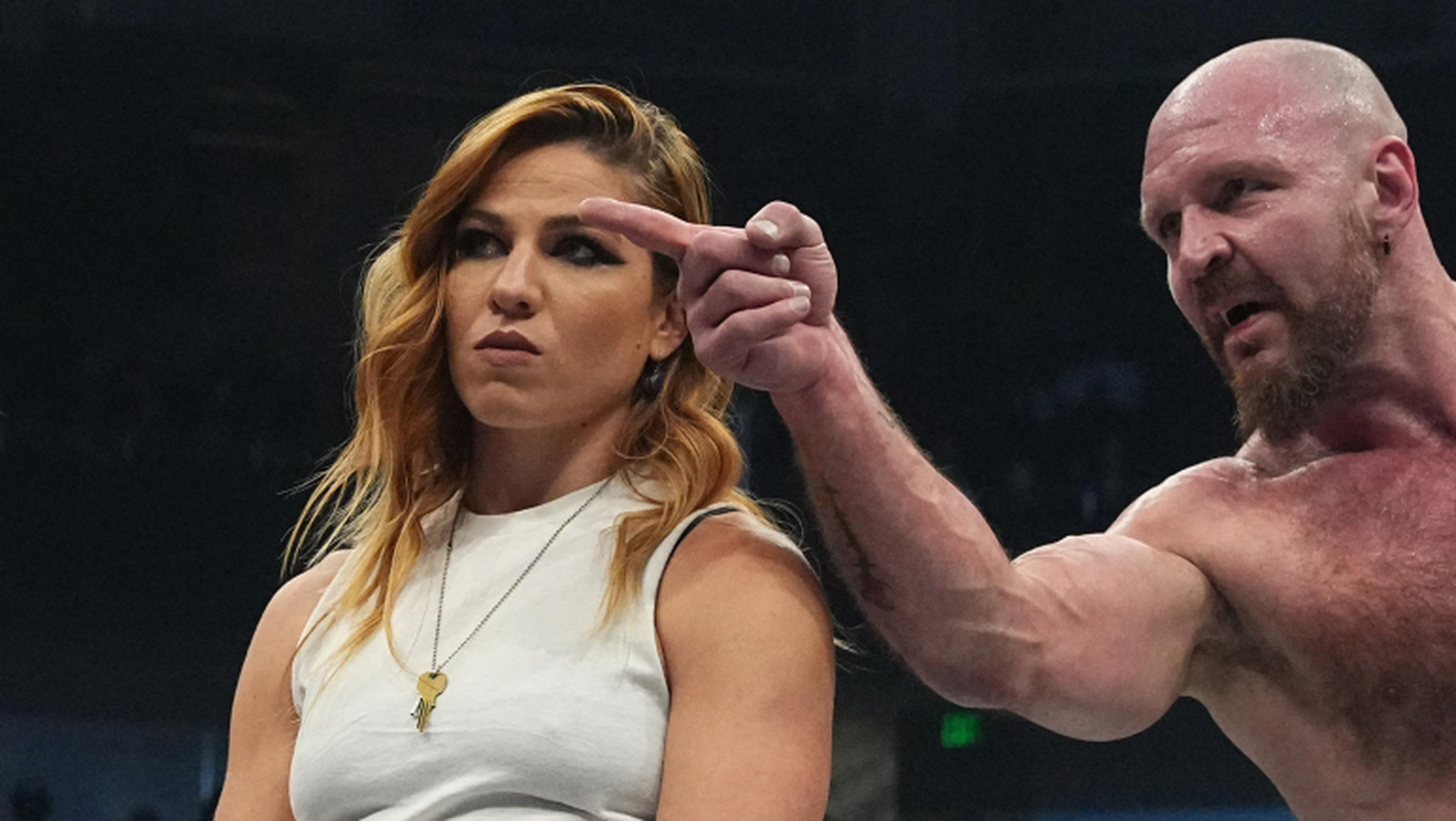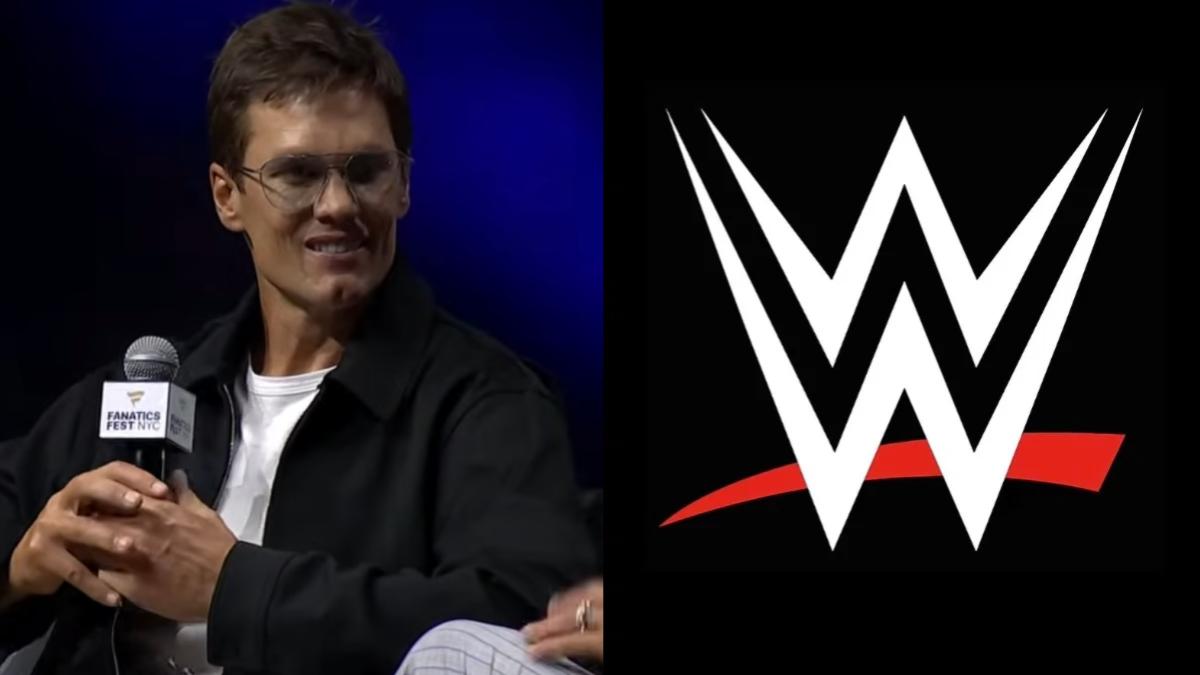
Celebrity integration requires more than just marketing clout
Logan Paul entered the professional wrestling world on a unique trajectory, utilizing his massive digital footprint to bypass the traditional developmental pipeline. Data from the 2024-2025 cycle suggests his matches generate a 22% higher social media engagement spike compared to standard high-card contests. Despite this, the recent physical interaction involving Tom Brady at Fanatics Fest highlights a recurring issue in WWE's reliance on external star power.
When Brady dismissed professional wrestling as “cute” during the event, he underscored the gap between mainstream sports consumption and pseudo-sport entertainment. While Paul’s presence is designed to attract a younger demographic, the conversion rate from these spectacle-driven events into long-term network subscribers remains stagnant at roughly 4%. The reliance on viral moments for social media reach is rarely mirrored by meaningful growth in viewership retention metrics.
Defining the value limit of the influencer athlete
The numbers behind Paul’s matches tell a tale of diminishing utility. During his initial 15-month run, his participation in marquee events correlated with an 8% increase in non-traditional viewer turnout. However, the data from the most recent quarter shows that this audience segment is increasingly transient. They arrive for the celebrity appearance—be it at Fanatics Fest or during a title defense—and exit immediately afterward.
In reality, the engagement metrics for Paul’s recent segments show a heavy concentration on short-form platforms like TikTok rather than long-form content like Raw or SmackDown. This indicates that while the "brand awareness" is high, the functional growth of the product is muted. The stunt with Brady might gain 1.4 million views on a highlight clip, but it contributes zero value to the 3-hour broadcast structure.
Comparing the cross-promotional impact
WWE has long flirted with mainstream crossover talent, but the strategy is becoming increasingly predictable. Compare the 2026 engagement data for Paul to the 2012-2013 metrics of The Rock. While The Rock’s return resulted in a 15% increase in total television viewership during his programmed months, Paul’s metrics are tied entirely to individual video impressions. One of these metrics drives sustainable revenue; the other is merely digital noise.
Logan Paul, as WrestleTalk recently reported, has been actively addressing his rivalry with the NFL icon following the slap. It is a classic narrative maneuver, yet it lacks the internal logic needed to sustain fan interest over a multi-month arc. Critics argue that this shallow engagement strategy—where celebrities interact in a vacuum devoid of ring competition—risks alienating the core audience that values the technical progression of the product.
The statistical reality of the "slap" narrative
Assigning a 5-star rating to an external celebrity slapping a performer does nothing to boost the average match quality metrics, which remain the primary indicator of long-term business health. In 2025, matches featuring part-time celebrities saw a 12% decline in average work-rate scores from independent evaluators compared to the 2023 average. This discrepancy is becoming impossible to ignore for those tracking the product's fundamental health.
WWE is betting on a model where viral clips replace consistent storytelling. With the influx of new ownership eyes on the product in 2026, the focus has shifted entirely to short-term impressions. Unless Paul can integrate his personal celebrity brand into a coherent, long-form storyline, his impact will continue to shrink to the size of a handheld camera screen. The metrics confirm it: viral fame is a temporary asset, but sustainable growth requires an actual foundation.