The honeymoon is officially over for the TKO era
Remember when we all thought the end of the Vince McMahon era meant we were finally safe from erratic script changes and last-minute booking lobotomies? Yeah, me too. I was naive. We all were. We thought Triple H was the undisputed king of the castle, but the latest reports coming out of the Allegiant Stadium fallout suggest that the castle is currently being renovated by people who think a 'workrate' is something you discuss during a quarterly earnings call.
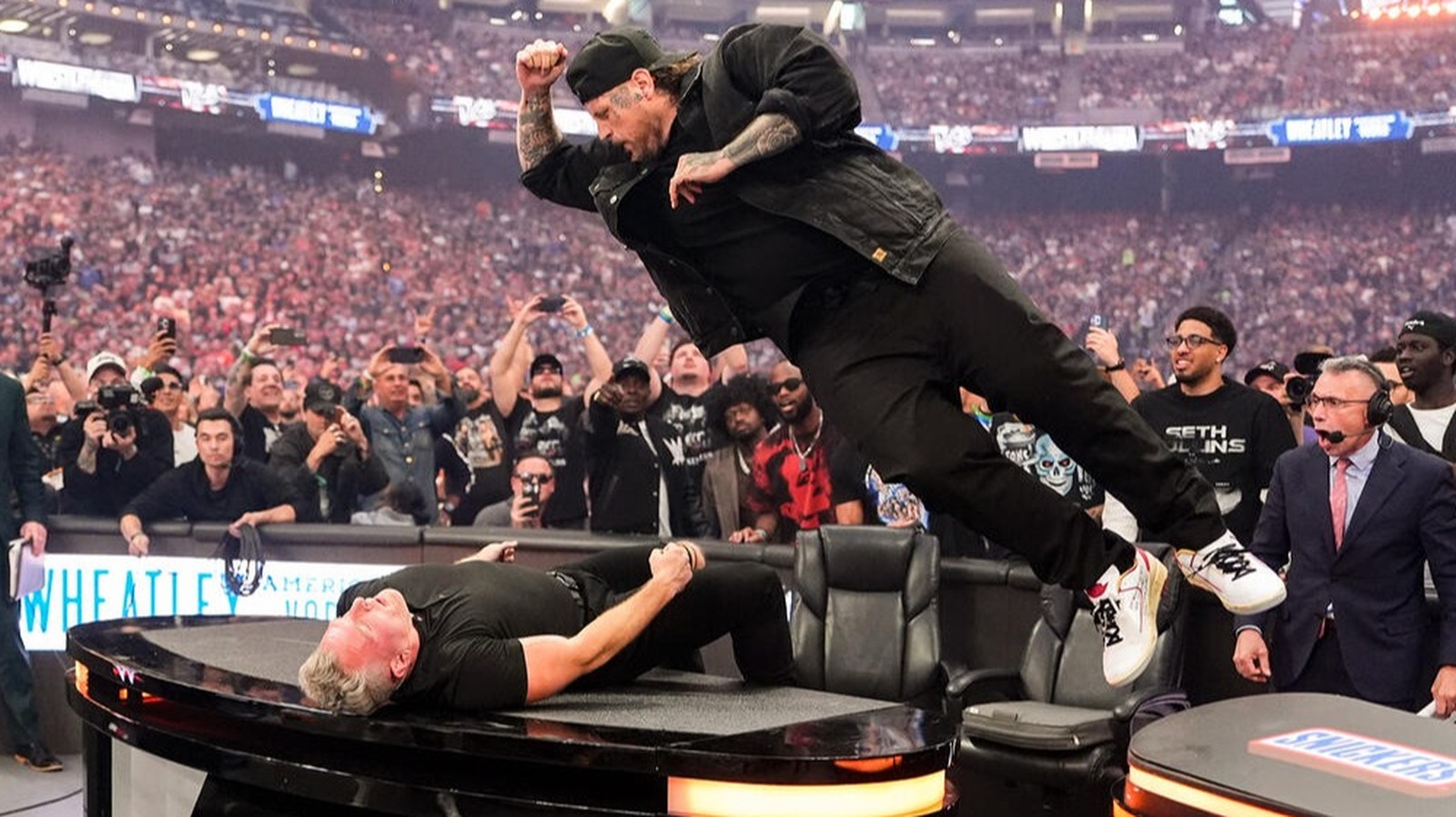
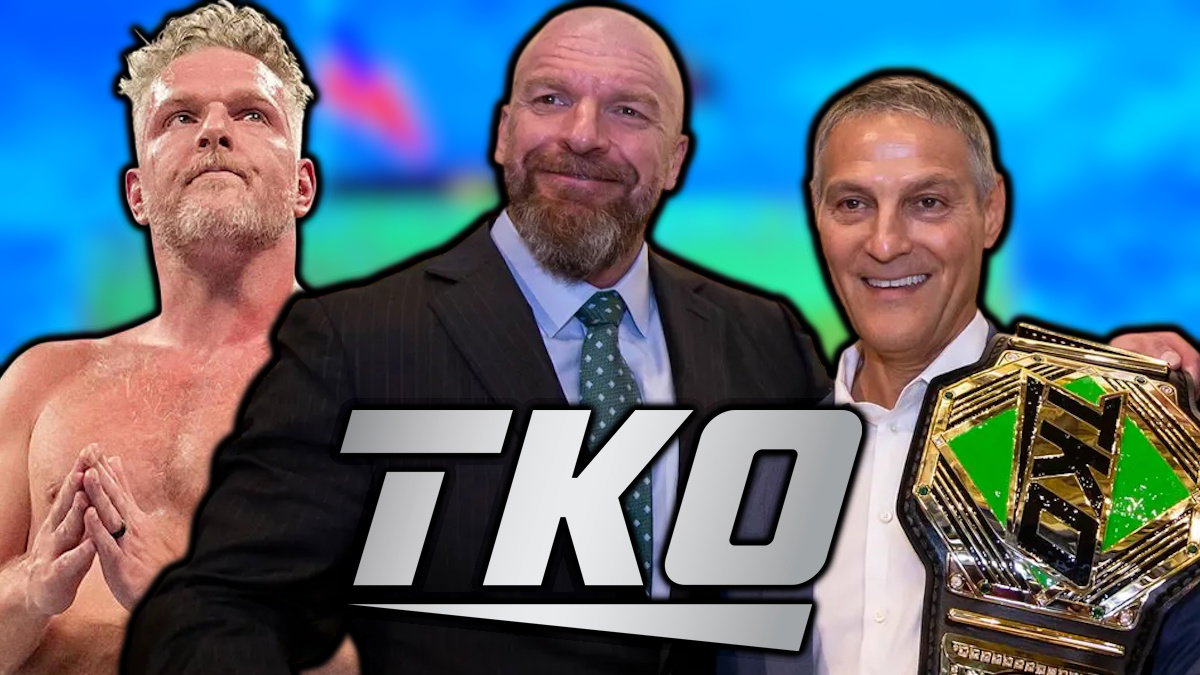
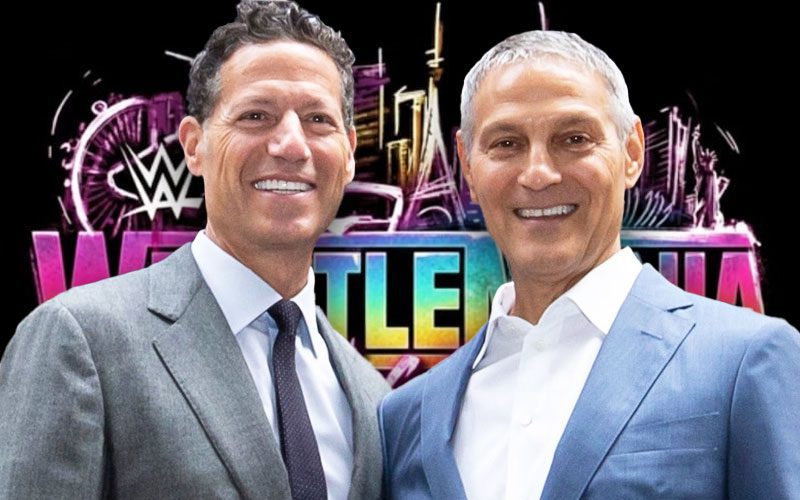
According to recent reports from Ringside News, the backstage vibe during WrestleMania 41 weekend was less 'celebration of wrestling' and more 'succession-style corporate bloodbath.' TKO executives are reportedly starting to flex their creative muscles, and it is causing absolute mayhem behind the curtain. We are talking about suits who probably couldn't tell a wristlock from a wristwatch trying to dictate how the biggest stars in the industry should handle their business.
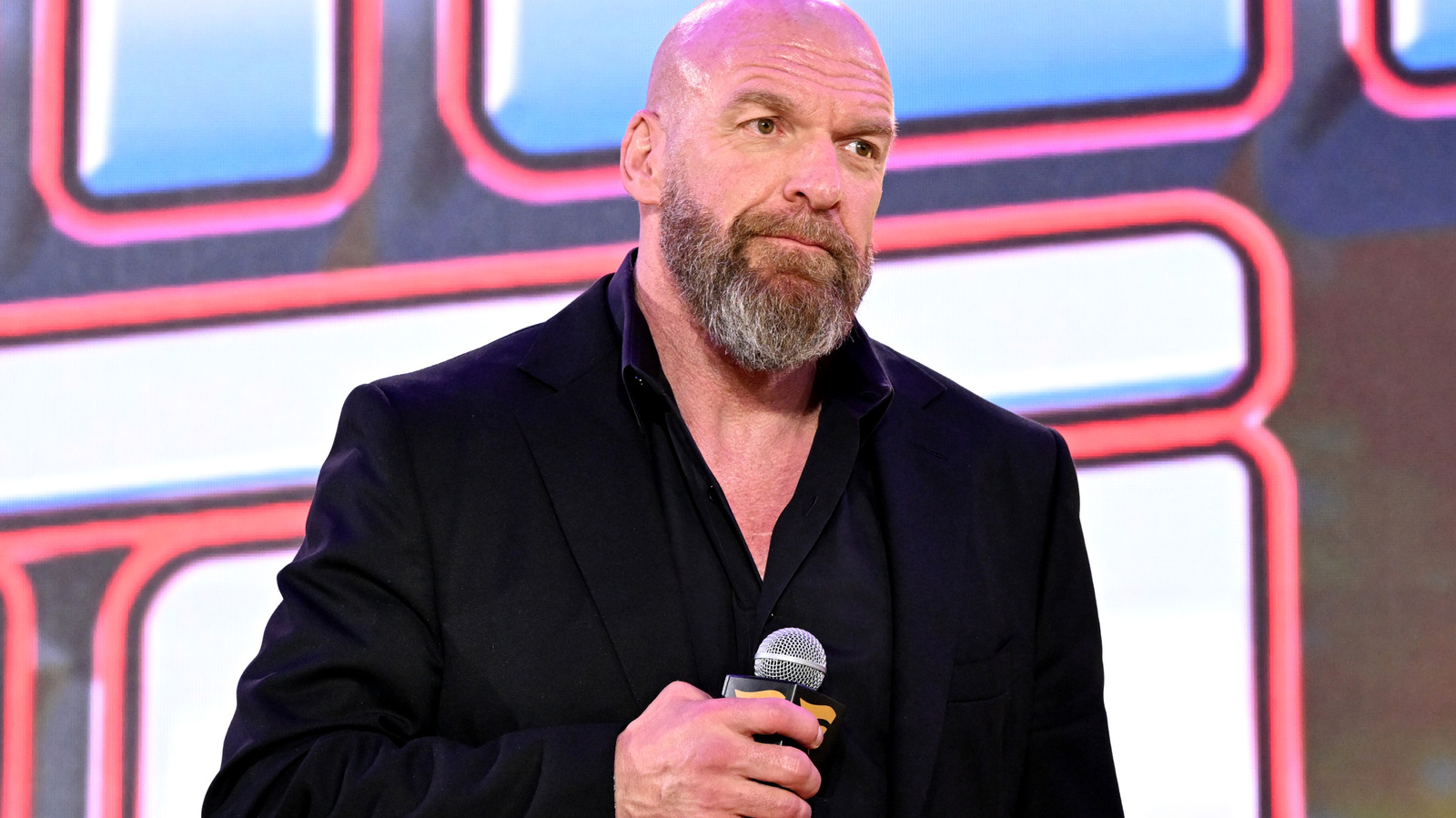
It is the classic story of the creative types versus the money men. Hunter has spent the last two years building a delicate, long-term storytelling machine, only for the TKO brass to reportedly wander in and start turning knobs just to see what happens. If you wondered why some segments last weekend felt a little... sanitized, or why certain finishes felt like they were focus-grouped by a marketing firm in Connecticut, now you have your answer. The chaos is real, and the fans are starting to smell the smoke.
When the corporate suits start booking the finishes
The core of the issue seems to be a fundamental disconnect between what makes a good wrestling show and what looks good on a spreadsheet. Reports indicate that TKO's influence is reaching down into the granular details of the product. They aren't just looking at the big picture; they are reportedly questioning match lengths, entrance aesthetics, and even which specific slogans should be used in promos to maximize 'brand synergy.'
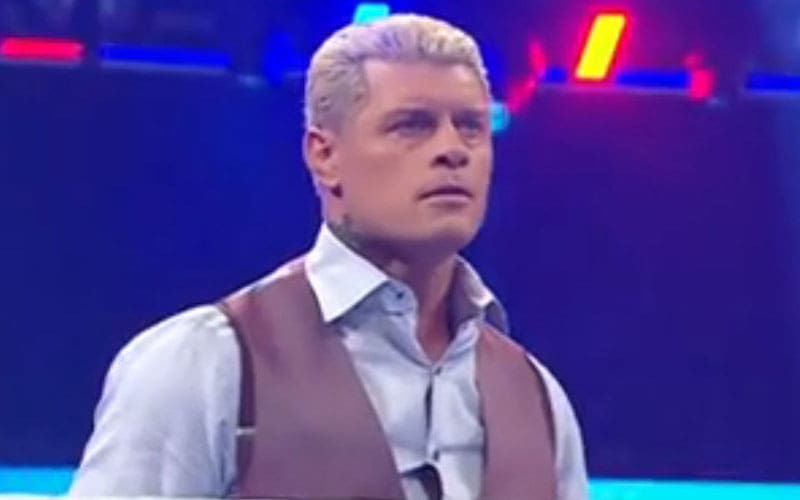
Look, I get it. WWE is a massive global property now more than ever. But there is a reason Triple H was able to bring back the lapsed fans. He treated the audience like they had a memory longer than a goldfish. When you have executives reportedly overriding creative decisions at the 11th hour, you lose that consistency. You end up with a show that feels like it was built by a committee of people who are terrified of taking a risk, which is the fastest way to kill the momentum this company has been riding since the Cody Rhodes comeback began.
The internet is split: Creative genius or corporate greed?
As you can imagine, the usual corners of the internet—from the depths of Reddit to the hellscape of Twitter—are having a very calm and rational discussion about this. Just kidding, it is a total dumpster fire. Everyone has a take, and most of them involve a lot of yelling into the void about the 'soul' of the business being sold to the highest bidder.
The enthusiasts, or the 'TKO Apologists' as some call them, are pointing to the bank account. They argue that as long as the production value is high and the stock price is soaring, who cares if a few writers have to stay late to fix a script? But the skeptics are looking at the actual product and seeing the cracks. They see a show that is becoming increasingly obsessed with 'viral moments' at the expense of coherent storytelling. It is a battle for the identity of the WWE, and right now, the guys in the three-piece suits seem to be winning.
The 'Let Hunter Cook' brigade is in full panic mode
The most vocal segment of the fanbase is the one that has fully bought into the 'Paul Levesque Era.' To them, these reports are like a horror movie where the monster is a guy with an MBA and a powerpoint presentation. One popular sentiment circulating on the forums right now sounds something like this:
"We finally got away from Vince's crazy 80-year-old whims only to get stuck with Ari Emanuel's corporate mandates. If they start messing with Hunter's long-term plans for Cody or the Bloodline, the product is going to be unwatchable by SummerSlam. You can't run a wrestling company like a software startup."
This group points to the specific flow of the John Cena farewell segments as a potential flashpoint. There was a weird, almost mechanical feel to some of the production that didn't quite sit right with the 'Papa H' faithful. They fear that the 'human touch'—the thing that makes you actually care when a guy like Cena says goodbye—is being replaced by a corporate-mandated 'engagement strategy.' They aren't just worried about one show; they are worried about the next five years of the industry.
The 'Business is Business' crowd doesn't see the problem
On the flip side, you have the fans who treat the WWE like they are a minority shareholder. These are the guys who cite EBITDA during a match and think a 'five-star rating' is something you give an Uber driver. Their perspective is drastically different, often sounding like this:
"Stop crying about 'creative.' WWE is a business, and TKO is making it more profitable than ever. If changing a finish helps a sponsorship deal with a major beverage company, then you change the finish. The matches at WrestleMania 41 were still incredible. As long as the gates are hitting $20 million plus, TKO is doing exactly what they were hired to do."
It is a cold, clinical way to look at the sport, but it is one that the TKO executives clearly share. From this perspective, the 'backstage chaos' is just the growing pains of a company transitioning from a family-run circus to a global media powerhouse. They don't see it as a loss of soul; they see it as the professionalization of a formerly 'carny' industry. They aren't wrong about the money, but they might be wrong about how much 'corporate' a wrestling fan is willing to swallow before they switch over to AEW or New Japan.
Why this backstage mess actually matters for the fans
The danger here isn't just that a few matches get shorter or a few promos get clunky. The real threat is the loss of the 'unpredictable' nature of wrestling. When things are run by a corporate committee, they tend toward the mean. They avoid the big, weird, experimental swings that often result in the most iconic moments in history. You don't get a 'Stone Cold' Steve Austin or a 'New World Order' by following a corporate branding guide.
My analysis? The skeptics have the stronger argument here, even if they are more annoying on Twitter. Wrestling is built on emotion, not efficiency. The moment you start making creative decisions based on how they will play in a boardroom in Beverly Hills, you've already lost. We saw what happened when WCW was swallowed by the Turner corporate machine—it became a playground for executives who didn't understand why people liked the product in the first place.
We are currently 15 days out from WWE Backlash 2026, and the fallout from this corporate interference is going to be the real story to watch. If the creative continues to feel 'managed' and 'sanitized,' the momentum from that massive Vegas weekend is going to evaporate faster than a pyro cloud. TKO needs to realize that they bought a wrestling company, not a line of luxury handbags. If you break the toy trying to see how it works, you don't have a toy anymore—you just have a pile of expensive plastic.
One critical observation that cannot be ignored is the impact on the locker room morale. It is hard enough to take a 20-foot bump or work a 30-minute iron man match without having to worry if a suit is going to change the script while you are walking down the ramp. That kind of uncertainty breeds resentment, and resentment leads to sloppy matches and checked-out talent. For the sake of the fans—and the sanity of the wrestlers—TKO needs to let Hunter keep the keys to the creative office and go back to counting the money.