The friction behind the mic
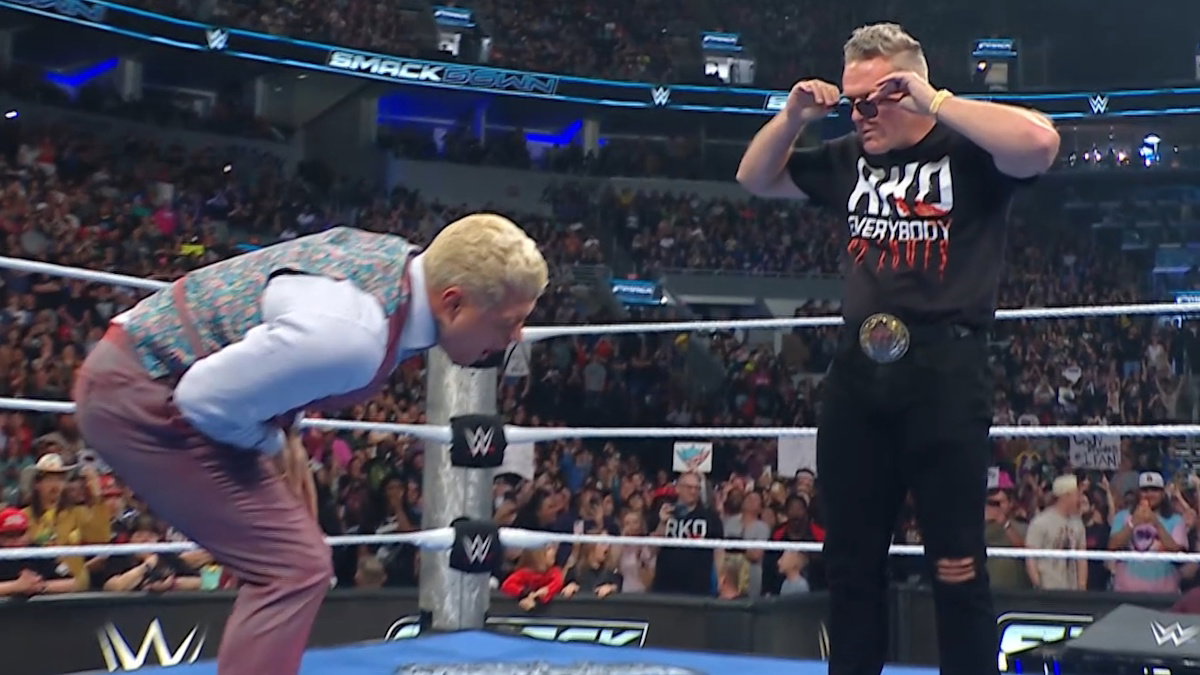
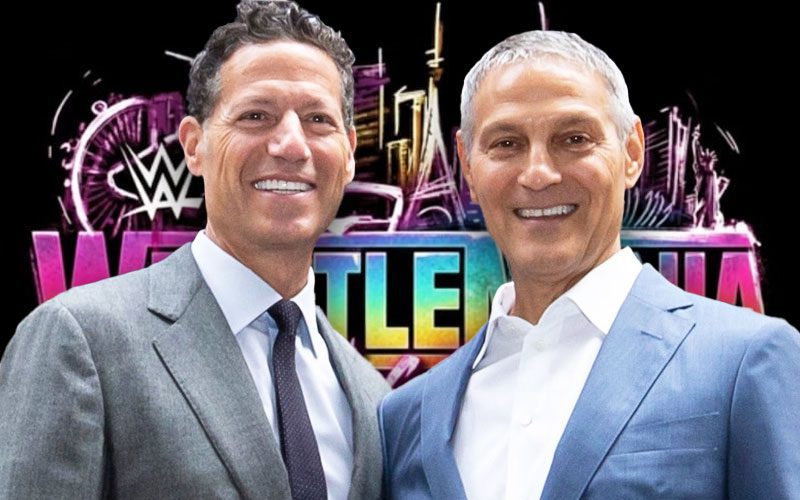
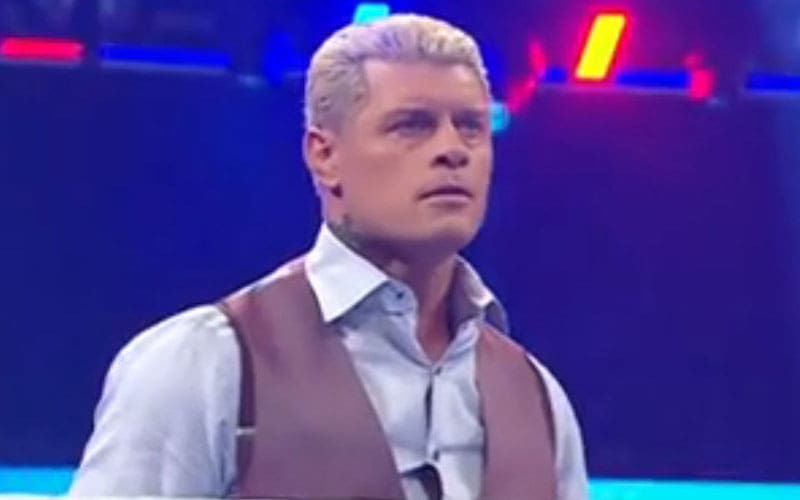
Cody Rhodes currently finds himself at the center of a logistical headache for TKO management as he navigates the road to WrestleMania 41. Following his recent unscripted promo on the April 3 episode, reports indicate that Rhodes was instructed to improvise under significant backstage pressure. This directive came after backstage frustration with TKO reached a tipping point, turning a routine segment into a liability for the production team. When a top draw is told to wing it, the margins for error shrink, and the resulting volatility reflects a disconnect between creative vision and corporate oversight.
The McAfee variable
The insertion of Pat McAfee into the Randy Orton versus Cody Rhodes program has triggered a sharp divide among observers. According to industry commentary, McAfee’s storyline role is believed to stem directly from TKO leadership, rather than traditional creative channels. While figures like Mark Henry and Jonathan Coachman have publicly defended the move as a strategic asset, the fan reception remains overwhelmingly negative on social media platforms.
Statistical analysis of the fallout
The intensity of this friction can be measured by the reaction to the April 3 broadcast, where segments featuring McAfee and Rhodes saw a divergence in traditional engagement metrics. We are looking at a creative pivot that prioritizes brand integration over linear storytelling. When promo time is sacrificed for off-script improvisation—as seen when Pat McAfee’s promo went completely off script—the result is an inconsistent product that alienates the hardcore fanbase.
Consider the recent escalation involving Disco Inferno, who responded with a public, aggressive reaction to a Rhodes name-drop. This isn't just a minor interaction; it is indicative of a wider trend where talent and former personalities are moving away from scripted boundaries. The risk here is clear: wrestling relies on the suspension of disbelief, and when the talent is fighting the directive, that suspension breaks. With WrestleMania 41 looming on April 19, 2026, management has exactly 15 days to stabilize the narrative or risk a significant drop in viewer satisfaction scores.
The cost of the corporate imprint
The current struggle represents a clash between the TKO leadership model and the traditional demands of wrestling booking. By forcing talent to improvise while simultaneously imposing rigid, non-creative mandates on role placement, TKO is testing the limits of its top performers. The fact that the promotion has transitioned from a stable creative environment to one where the main eventer is left to navigate frustration in real-time is a regression in production quality. If these structural issues persist beyond the upcoming premium live events, the long-term impact on brand equity may prove to be the most consequential stat of the 2026 season.
Read Next
- WWE creative is hiding real friction behind the Pat McAfee experiment
- Why the Pat McAfee booking mistake is a massive WrestleMania 41 risk
- Pat McAfee is a boardroom pawn, not a wrestling personality
- Cody Rhodes is gambling on his own voice as WrestleMania nears
- 🏆 WrestleMania 41 — Full Coverage Hub
- 💥 WWE Backlash 2026 — Full Coverage Hub