WWE's creative is thriving, but the ad-heavy broadcast is becoming unwatchable
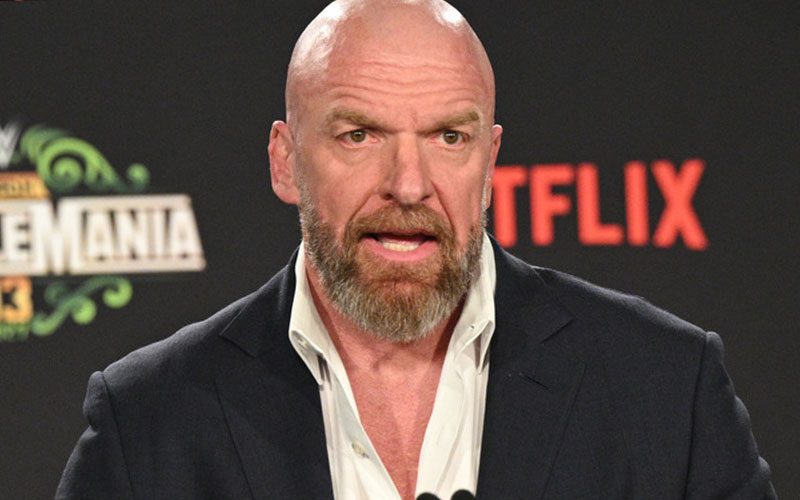
We are in an era of unprecedented backstage stability for WWE. By all accounts, the chaotic, script-ripping days of Vince McMahon are dead and buried. Former roster members are openly talking about the night-and-day difference in the working environment. Ridge Holland, who recently spoke about the stark contrast between the McMahon and Levesque regimes, painted a picture of a locker room where talent can actually breathe. Under Triple H, there is logic. There is long-term planning. There is a sense of professional respect that was absent for decades.
Yet, for the viewer sitting at home on a Monday or Friday night, that backstage tranquility means absolutely nothing. The actual television product—the three hours of Raw or two hours of SmackDown—is actively fighting its own audience. The pacing is atrocious. The momentum of a good match is consistently derailed. WWE television has always been a vehicle for advertisements, but the current ratio of wrestling to commercials has reached a breaking point.
This isn’t just internet grumbling anymore. The frustration has bubbled up to the celebrity tier. Actor and loud wrestling fan O’Shea Jackson Jr. recently took his complaints directly to the source. He told Triple H and Stephanie McMahon that the sheer volume of ads during WWE programming is "crazy" and makes the show "unwatchable."
When the people who get free comped tickets and VIP access are complaining about the broadcast format to your face, you have a structural problem.
The art of ruining a wrestling match
Think about the standard structure of a modern WWE television match. The bell rings. Two competitors lock up, run the ropes, and exchange a sequence of basic holds. Someone gets dumped to the outside. A suicide dive or a springboard attack connects. The commentator dramatically yells about shifting momentum. And then, without fail, the screen shrinks or cuts away entirely for a commercial break.
This formula has been mocked for years, but its persistence is actively grinding down the quality of the in-ring product. Wrestling relies on emotional investment. It relies on the steady build of tension leading to a physical crescendo. You cannot build genuine tension when the audience knows that the first high spot of the match guarantees a cut to a fast-food commercial.
It wasn't always this egregious. During the peak years of the Monday Night Wars, commercial breaks were treated as necessary evils rather than the core structural pillar of the broadcast. Production teams would scramble to hide the breaks during logical lulls in the action. Today, the breaks dictate the action. The tail is aggressively wagging the dog. When Monday Night Raw permanently moved to a three-hour format, the sheer volume of airtime required a shift in how matches were paced. WWE had to fill 180 minutes every single week. Stretching matches with mid-bout commercial breaks became the easiest way to chew up the clock. Over a decade later, that crutch has become a permanent dependency. It is baked into the psychological training of every wrestler who comes through the Performance Center. They are taught how to work the hard camera, how to grab a headlock for the ad break, and how to reset the match when they come back.
We return from the break, and the match is inexplicably in a chin-lock. The heel is methodically wearing down the babyface, killing time until the television audience is fully back. The energy of the live crowd has plummeted because they just spent three minutes watching a match stuck in first gear while the production truck sorted out its sponsor obligations.
It is a terrible way to watch professional wrestling. The talent is working harder than ever, putting their bodies through grueling sequences, only to have their work chopped up and marginalized by the format of the show. The wrestlers are forced to lay on the mat, feigning exhaustion in the middle of a standard sequence, just waiting for the referee's cue that they are back on live television. It breaks the illusion completely.
According to recent reports, Triple H and Stephanie McMahon are highly aware of the ad issues. But awareness does not equal a solution.
Corporate realities in the TKO era
Being aware of a problem is easy. Sacrificing revenue to fix it is entirely different. WWE is now part of the massive TKO Group Holdings machine, sharing corporate DNA with the UFC. The directive from the top is clear: maximize monetization. Every available surface, every available second of airtime, is a commodity to be sold.
We see it with the digital ads plastered on the ring mat and the barricades. We see it with the sponsored match graphics. We see it with segments directly brought to you by energy drinks and snack brands. The sheer volume of inventory that WWE’s sales department needs to clear during a broadcast forces the production team to squeeze the actual wrestling into shrinking windows.
Look at how TKO manages its other major property, the UFC. While UFC broadcasts are heavily sponsored, the actual fights—the rounds themselves—are strictly off-limits for interruptions. You will never see a split-screen commercial break halfway through a five-minute round. The integrity of the physical contest is protected. WWE, despite presenting itself as a combat sport simulation, affords its matches no such protection. The scripted nature of professional wrestling shouldn't be an excuse to treat the in-ring action with contempt. If anything, because the pacing is entirely within WWE's control, the presentation should be vastly smoother than an unscripted fight. Instead, it feels entirely disjointed.
Triple H may want a show that flows beautifully from bell to bell. He may understand that stopping a title match cold for a split-screen commercial breaks the immersion. But he is also operating under a corporate mandate that prioritizes the bottom line above the artistic integrity of a mid-card bout.
O'Shea Jackson Jr. calling the product "unwatchable" directly to the executives is a rare moment of unvarnished truth penetrating the corporate bubble. It is one thing to read a complaint on Reddit; it is another to hear it from a recognized face of pop culture who genuinely loves the sport.
The Ridge Holland contrast
The profound irony of the current situation is how completely it contrasts with the backstage reality. As former WWE superstar Ridge Holland recently explained, the working environment under Triple H is vastly superior to the Vince McMahon era. The culture of fear is gone.
Holland’s reflections on his time in WWE provide a necessary window into the current state of the locker room. Under McMahon, the environment was notoriously volatile. Scripts were torn up an hour before showtime. Wrestlers were given completely new characters with no explanation. It was a high-wire act with no net.
Triple H replaced that anxiety with structure. Wrestlers know their angles weeks in advance. The booking actually makes logical sense. It is a healthier, more productive way to run a global touring company. Internally, WWE has never been healthier. The creative direction is focused. Storylines have actual continuity. Wrestlers are not terrified of losing their jobs because they sneezed in front of the boss. The talent feels supported, and that support often translates into better performances when the red light is on.
But all of that goodwill, all of that improved morale, is heavily filtered through the worst broadcasting format in the industry. What good is a brilliant, long-term story if the crucial match paying it off is interrupted three times by ads for insurance and pickup trucks? The company is effectively hamstringing its own creative renaissance.
This is where the frustration peaks. Fans know the product is good. They know the roster is loaded with generational talent. They want to watch the show. WWE is simply making it painfully difficult to do so.
The tribalism distraction
While WWE struggles with its broadcast flow, the internet wrestling community remains largely distracted by the wrong arguments. The tribalism between WWE and AEW fanbases often overshadows legitimate structural criticisms of both companies.
Take the recent Twitter exchange involving MJF. A fan tweeted that Triple H should bring the AEW star to WWE. The fan then immediately admitted they don't actually watch AEW. MJF, naturally, fired back with a perfect response, mocking the absurdity of begging for a wrestler you've never even seen perform.
It is a funny exchange, but it speaks to the weird reality of modern wrestling consumption. A significant portion of the audience is more invested in the corporate maneuvering and the "us vs. them" narrative than they are in the actual television product. If that fan did watch AEW, they might notice that while Tony Khan's promotion has its own set of chaotic pacing issues, they generally respect the flow of a match better than WWE does.
AEW will present commercial-free main events. They will hold off on breaks during critical stretches of a high-stakes bout. As they head toward Double or Nothing on May 24, you can expect the major matches to breathe properly. WWE, by contrast, will happily cut to commercial during a main event on Raw, regardless of who is in the ring.
This isn't to say AEW is perfect. But the contrast in presentation makes WWE's ad saturation feel even more egregious. If the secondary promotion can figure out how to structure a broadcast without insulting the viewer's attention span, the market leader has no excuse. Fans will defend WWE's unwatchable ad pacing simply because it is the WWE brand doing it. They will clamor for Tony Khan's top stars to jump ship, completely ignoring that putting an intricate storyteller like MJF into the current WWE television format means his best promos and matches would be repeatedly interrupted by unskippable corporate tie-ins. The grass isn't always greener; sometimes it's just covered in more billboards.
Can the format be saved?
The question now is whether anything will actually change. Triple H and Stephanie McMahon hearing the complaints from O'Shea Jackson Jr. is a step. Acknowledging the issue internally is another step. But structural change requires a fundamental shift in how WWE values its airtime.
There are compromises to be made. WWE could adopt the European football model, prioritizing continuous action and loading the commercials into dedicated pre-match, post-match, and halftime windows. They could push back against the networks and demand fewer, but more expensive, ad slots. They could utilize the picture-in-picture format more effectively, ensuring the audio feed doesn't completely cut away from the action.
They could also stop booking matches that are designed solely to accommodate the breaks. The formula of "entrance, commercial, match starts, dive, commercial, rest hold" is a creative crutch. It requires no imagination from the producers and tells the audience exactly when they can tune out.
If WWE wants to maintain its current creative momentum, they have to address the viewing experience. The roster is too good to be treated as filler between commercials. The audience, despite the strong ratings, is clearly reaching a point of exhaustion.
Wrestling is about connection. You connect through emotion, through storytelling, through the sustained suspension of disbelief. Every time WWE cuts away from a heated brawl to sell a pizza, they sever that connection. They remind the viewer that this isn't a sport, and it isn't a drama. It's just a billboard.
Triple H fixed the backstage culture. He fixed the booking logic. Now, he has to fix the television show itself. Until he does, the complaints will only get louder, and the product will remain frustratingly stuck in neutral, trapped beneath the weight of its own commercial success.
Under the Black Hat: My Life in the WWE and Beyond
Good ol' JR takes us behind the scenes of the legendary Attitude Era.
More Coverage
This Week in Wrestling: MSG Stardust and Championship Shakeups (Jul 13–Jul 19, 2026)
2 hours agoKarl-Anthony Towns at Saturday Night’s Main Event was a fever dream gone wrong
2 hours agoKarl Anthony Towns just created the weirdest wrestling moment of 2026
2 hours ago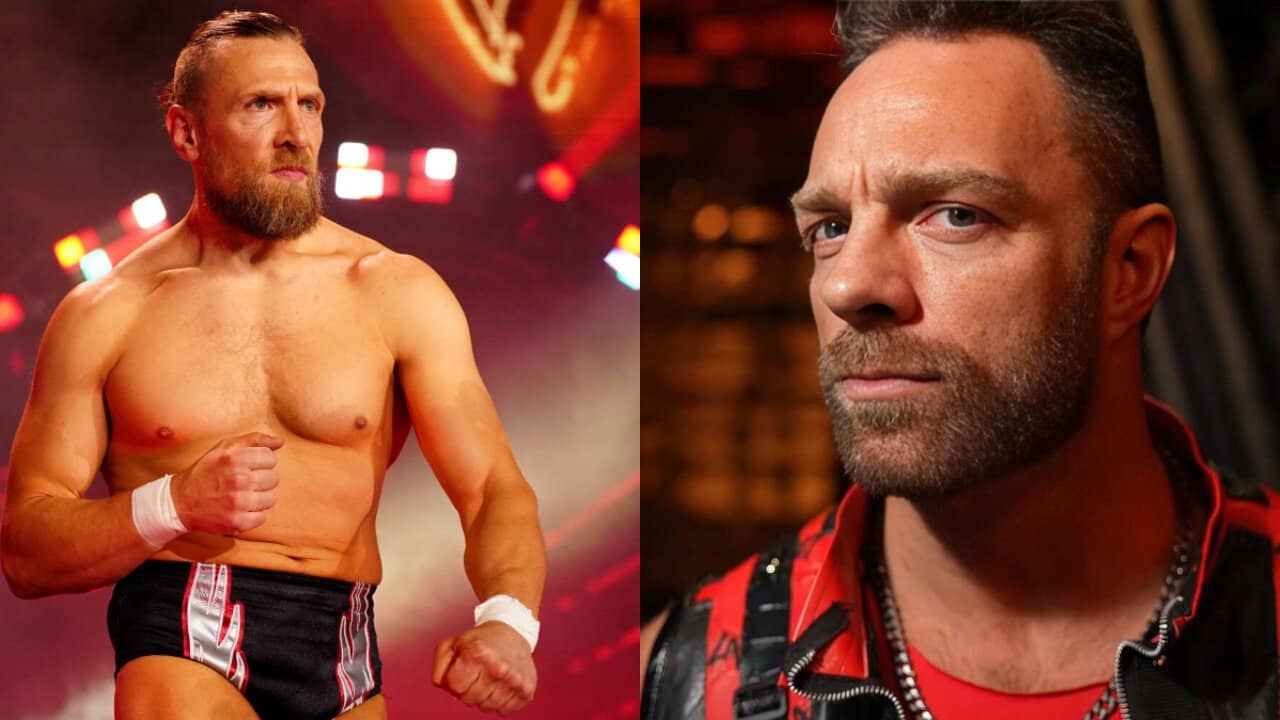
LA Knight turns viral frustration into a merchandise play
2 hours ago
WWE roster health check: The mid-summer injury grind hits home
2 hours ago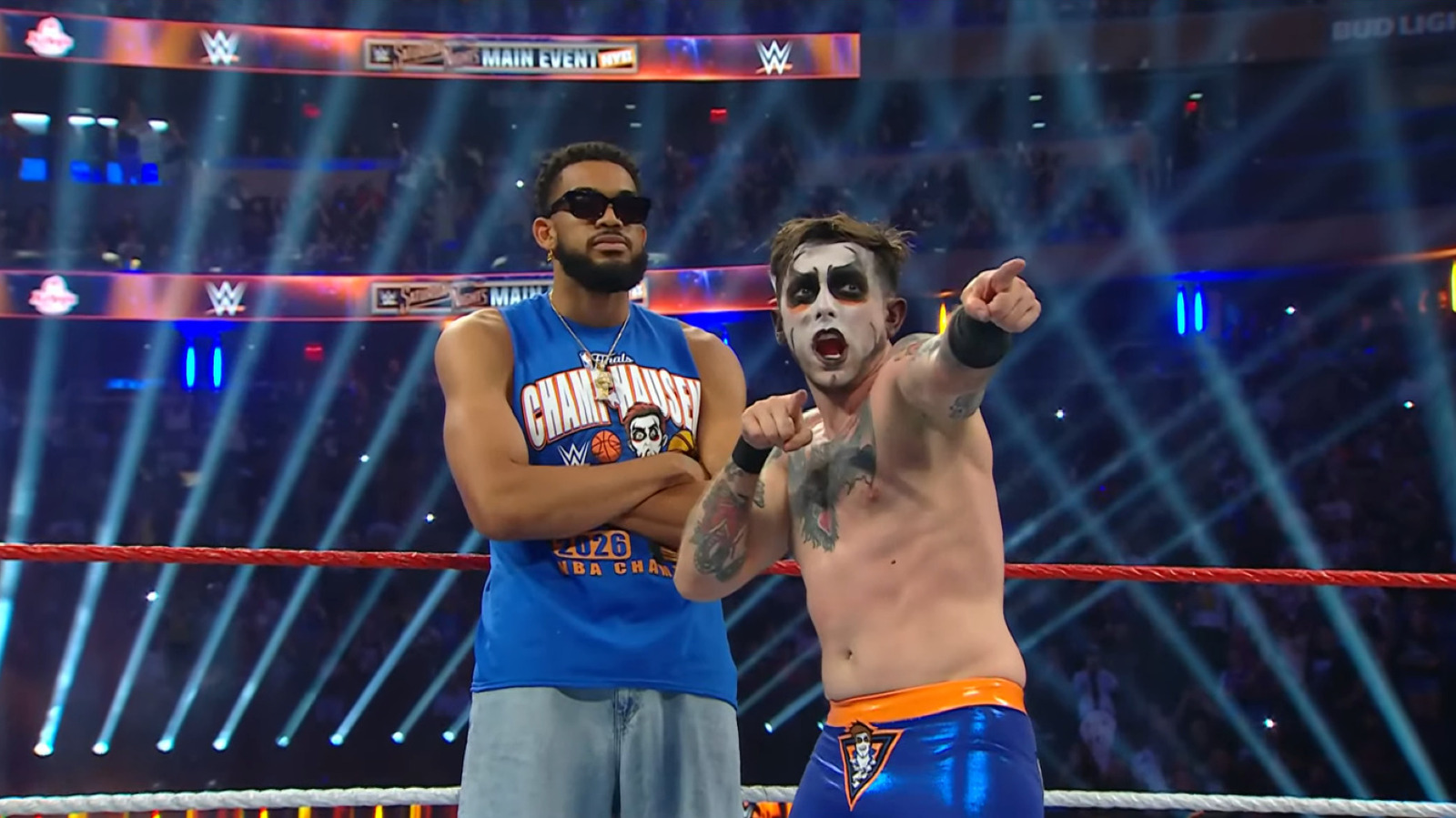
Karl Anthony Towns at SNME proves that celebrity cameos need a hard reset
2 hours agoMore Analysis

Triple H is getting a raise while WWE TV becomes unwatchable
2 months ago
Top 10: The Biggest Issues on Triple H's Desk Right Now
2 months ago
WWE’s data-first booking strategy is hitting a wall
1 day, 10 hours ago
TKO's corporate meddling is about to derail WWE's creative momentum
2 months, 2 weeks ago
Nick Khan is doing a lot of heavy lifting for Triple H's creative team
2 months, 3 weeks ago