The Worcester blueprint and the new touring reality
If you were paying attention to the Northeast wrestling scene this past week, you noticed something unusual. Worcester, Massachusetts basically turned into a closed-loop wrestling experiment.
On Thursday, May 14, we had Wrestling Open. Friday brought the WWE ID Showcase. By Saturday, both CZW and BST ran live events in the exact same city. Three consecutive days of intense professional wrestling traffic in a secondary market. This was not a booking coincidence.
There is a concerted effort happening right now under the TKO banner to figure out the regional touring model. The recent backstage reports confirming WWE is adding more live events to their summer schedule caught a few people off guard. For the last two years, the conventional wisdom was that untelevised house shows were a dying breed.
The profit margins were too thin. Travel costs ate up the gate. Why bother running a Friday night in a 4,000-seat arena when a single Saudi Arabia stadium show funds the entire quarter?
The answer was hiding in plain sight in Worcester.
WWE is realizing that you cannot sustain a long-term touring business without a reliable, localized talent pipeline. The WWE ID program is no longer just a fancy branding exercise for independent promotions. It is a functional farm system operating in real time.
Squash matches and the return of enhancement talent
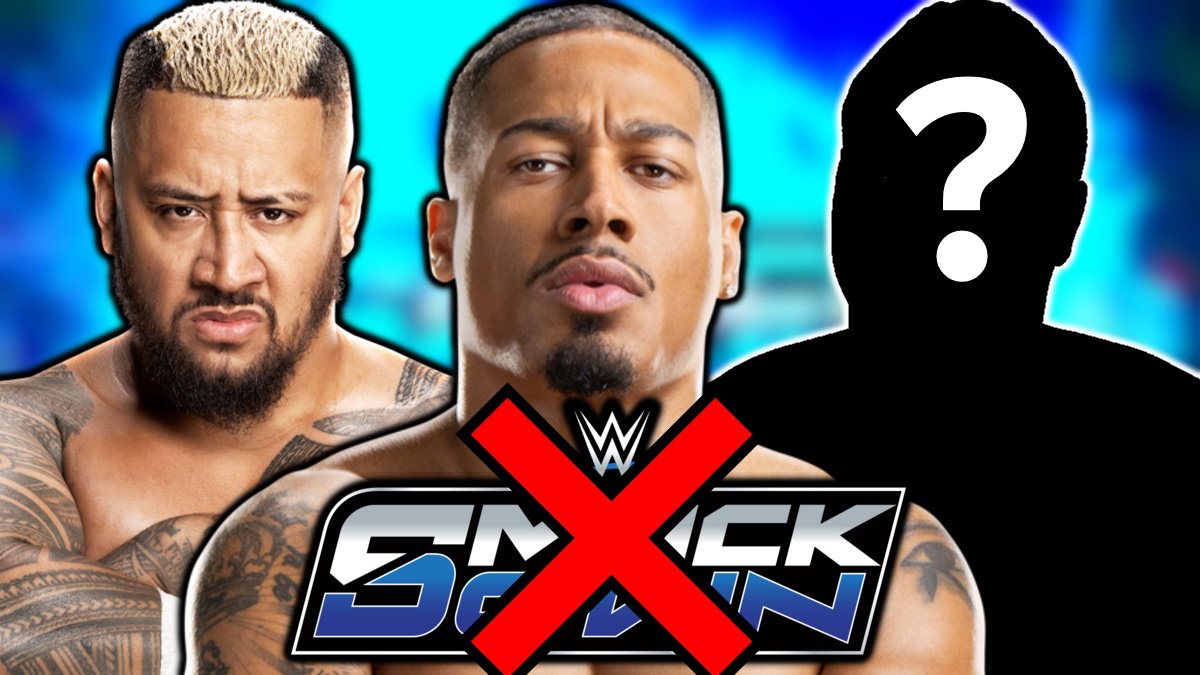
Look at the booking on this week's Friday Night Smackdown. We saw Gunther matched up against a local talent named Keys. We saw Carmelo Hayes against someone named Saints. This is a massive philosophical shift in how the main roster operates week to week.
For the longest time, WWE television was obsessed with 50/50 booking between contracted midcarders. You would see Ricochet wrestle Shinsuke Nakamura for the eighth time in a month. Nobody gained anything.
The crowd went silent because they knew the match meant nothing. Now, we are seeing a return to the classic territorial TV structure. Think back to the old Superstars of Wrestling tapings. The entire appeal was watching established stars execute their finishing sequences flawlessly.
It built anticipation. When you finally saw two main-eventers lock up on pay-per-view, it felt monumental because you had not seen them wrestle each other on free television for six consecutive weeks. Gunther chopping Keys into oblivion is a direct callback to that booking philosophy.
Gunther against Keys was exactly what it needed to be. A violent, methodical dismantling. Gunther does not sprint. He stalks.
He traps the opponent against the turnbuckle, delivers one blistering chop that echoes through the arena, and spends the next three minutes taking the guy apart hold by hold. It protects Gunther's aura. It keeps him fresh.
Hayes against Saints served a similar purpose, albeit with a completely different pacing. Hayes relies on rhythm. He needs to hit the ropes, land the springboard lariat, and remind the audience of his sheer athletic superiority.
You cannot do that effectively against another main-eventer without burning through high-value matchups. By bringing in enhancement talent—likely scouted directly from those WWE ID showcases in places like Worcester—WWE solves two problems.
They save their marquee matchups for the Premium Live Events, and they get a cheap, risk-free look at regional talent under the main roster lights.
The Cody Rhodes anchor
While the undercard is getting populated by fresh faces taking bumps for the heavy hitters, the top of the card remains rigidly structured around the champion. Cody Rhodes was out there speaking again on Smackdown, delivering the exact type of promo we have come to expect.
I have to be critical here. The Cody formula is becoming incredibly transparent. The suit, the slow walk to the ring, the "so, what do you want to talk about" opening. It is undeniably over with the live crowd, but the television product is starting to feel slightly repetitive.
Rhodes is a master of crowd control. But when he speaks for fifteen minutes without a clear antagonist interrupting him, the show grinds to a halt. WWE knows this. They are stretching the narrative because they are padding the schedule.
You do not add a slate of summer live events unless you have a traveling circus built around a singular, bankable babyface. Rhodes is carrying that weight. But the cracks are showing. You can only run the same promo template so many times before the audience starts looking at their phones.
You cannot ignore the economics. A standard Cody Rhodes house show main event guarantees a baseline merchandise per-head figure that justifies the building rental. He is moving foam weight belts and t-shirts at a volume that rival the peak John Cena years.
But leaning on him so heavily is a calculated risk. If he tweaks a knee taking a bad bump on a Sunday night in Kalamazoo, the entire summer touring strategy collapses.
Prediction: The territory system is coming back
We are just 11 days away from the Champions League Final, and 25 days away from the World Cup kickoff. The global sports calendar is about to get incredibly crowded. WWE is countering this not by shrinking, but by expanding their live event footprint.
Here is the prediction. By the end of 2026, WWE will formalize a regional touring structure that directly mirrors the old territory days, facilitated entirely by the WWE ID program. They will stop flying their entire main roster to every single house show.
Instead, they will set up regional hubs. A Northeast loop anchored in Worcester. A Midwest loop out of Chicago. A Southern loop based in Atlanta.
They will send two or three main roster stars—say, Gunther and Carmelo Hayes—to headline, and fill the rest of the eight-match card entirely with contracted WWE ID independent talent. It cuts travel expenses by 40 percent.
It revitalizes the local gate because the fans get to see their hometown indie favorites mix it up with WWE midcarders. And it completely chokes out the independent promotions who refuse to play ball with the ID program.
If you are an indie promoter who isn't allied with WWE right now, you should be terrified. WWE isn't just adding dates to their summer schedule. They are buying the entire touring calendar.
The three days in Worcester were not a coincidence. They were a test run. And based on how quickly they integrated the enhancement talent onto Smackdown, the test was a resounding success.