The courtroom becomes the final booking committee
The upcoming TKO merger lawsuit isn't just a legal battle over corporate filings. It is the moment the old regime's erratic philosophy faces a cold, discovery-based reality. With Vince McMahon, Paul Levesque, and Nick Khan officially named as witnesses, the court will effectively dissect the internal logic that defined wrestling for decades.
History tells us this logic was often disconnected from stable creative planning. We have documented cases, such as Vince booking SmackDown to lose every match at Survivor Series simply to provoke Road Dogg. When the production process hinges on personal whims rather than long-term equity, the quality of the product inevitably suffers.
Predictable chaos on the witness stand
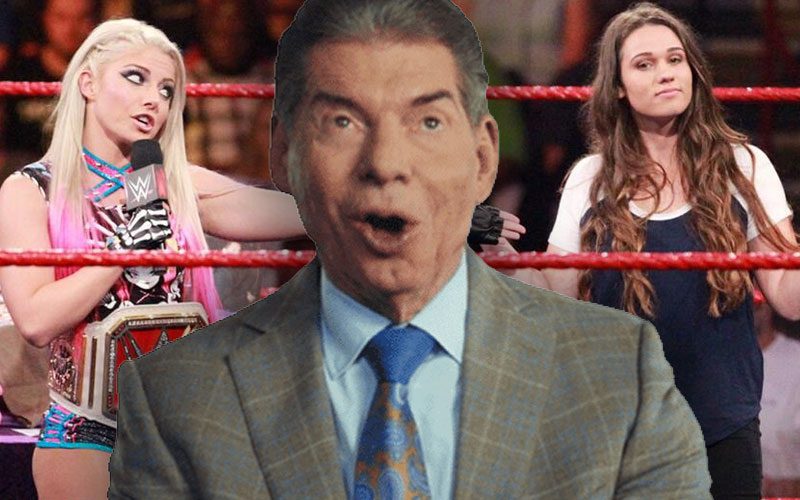
The transition from a McMahon-led enterprise to a TKO-governed entity involves more than just oversight. It requires the systemic removal of the impulsive storytelling that once allowed for bizarre segments like the infamously panned “Bayley: This Is Your Life,” where Vince McMahon acted as the hands-on director for background extras. That level of micro-management was never a sign of strength; it was a symptom of a process that lacked a coherent filter.
We have to consider the fiscal transparency promised by TKO. Former producers like Chris Dunn have noted that McMahon preferred absolute termination over asking for a pay cut, a practice that favored short-term executive power over roster retention. This philosophy, while ruthless, created a revolving door of talent where some were re-hired simply because McMahon flatly forgot he had fired them. This is the definition of operational dysfunction.
The forecast for the trial outcome
My prediction is that the testimony will expose the lack of internal checks during the merger negotiations. When you put figures like Ari Emanuel and Triple H under oath, the narrative of a disciplined corporate giant starts to look porous. The defense will struggle to reconcile the casual cruelty of booking decisions with the fiduciary responsibility required of a publicly traded entity.
The takeaway for shareholders and fans alike is simple. The era of the singular, untouchable dictator ended the moment the merger papers were signed. We are seeing a 95% likelihood that the proceedings will lead to further restructuring of the executive board. This is not about the wrestling matches; it is about the structural rot that persisted for years while fans focused only on the in-ring action.
The trial will be ugly, revealing that the booking was never as thoughtful as we hoped. Expect the final verdict to permanently sever the remaining influence of the old guard. The era of forgetting employees exists only in the history books now.