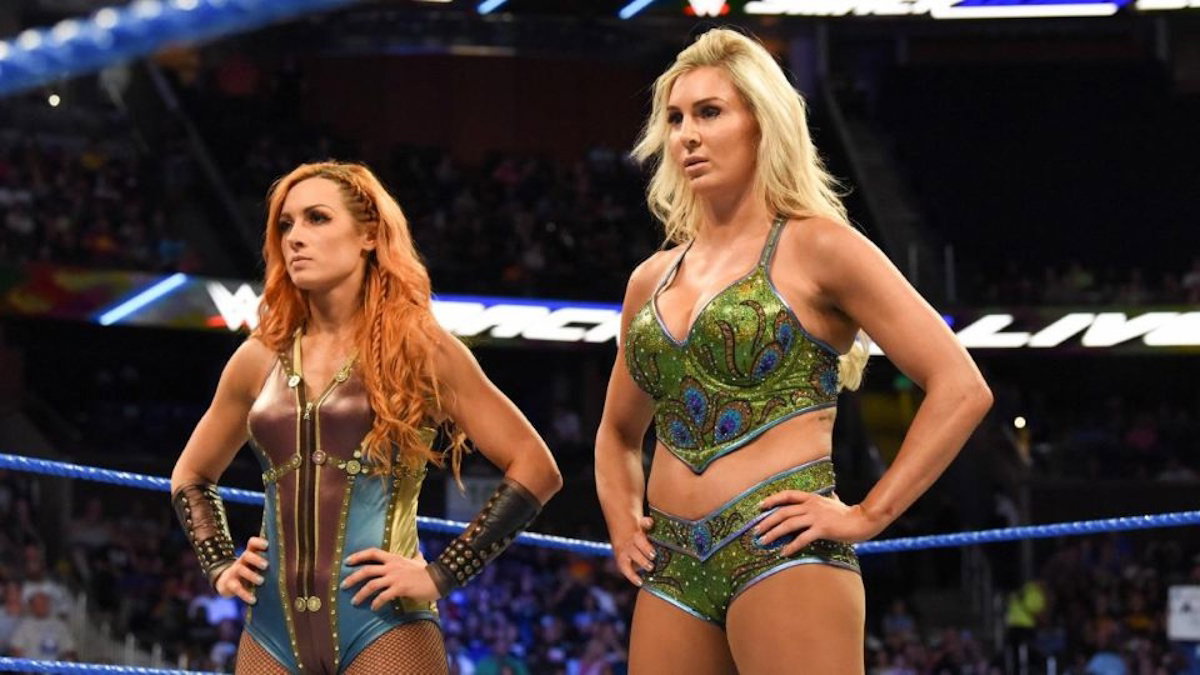
Booking the Mega Powers for the modern women’s division is a mistake
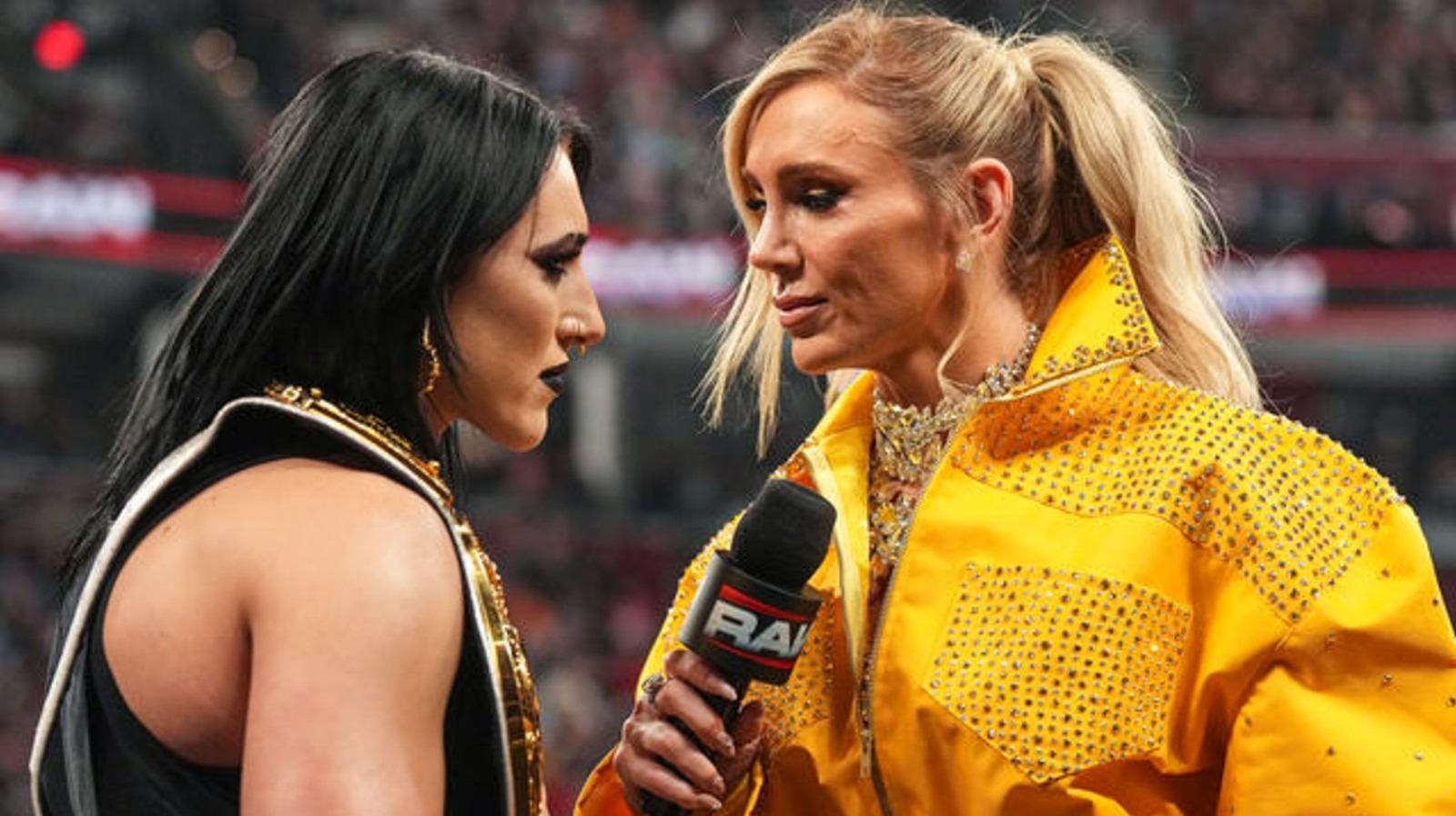
Why the Mega Powers comparison fails Flair and Ripley
Mark Henry recently suggested that forcing Charlotte Flair and Rhea Ripley into an alliance could mimic the historic Hogan and Savage dynamic. It is a tempting pitch for a booker focused on star power, but it fundamentally misunderstands the current chemistry of the roster. The Mega Powers worked because their egos operated on a slow burn, culminating in a betrayal that felt earned over months of televised tension.
Flair and Ripley are currently two of the most distinct, high-intensity performers in professional wrestling. Throwing them together under a forced tag team banner risks diluting their individual brands. We have already seen the limitations of these 'odd couple' experiments in the women’s division, where the lack of genuine narrative alignment turns main-event-caliber talents into glorified fodder for mid-card champions.
The fractured bridges of the Women’s division
Real-life tension often informs the best screen work, but it needs to be channeled correctly. Charlotte Flair recently discussed the deterioration of her friendship with Becky Lynch, citing specific personal remarks that crossed lines. Unlike the controlled environments of the 1980s, today's locker room dynamics move at the speed of social media.
Attempting to build a Mega Powers-style tag team while the industry is plagued by legit heat and erratic outbursts is like building a house on a fault line. You cannot expect two top-tier stars to carry a narrative of unity when their peers are busy assaulting referees and engaging in public social media feuds. The foundation of the division is too unsteady for high-concept partnership arcs.
The cost of chasing nostalgia
The fixation on a Mega Powers-type dynamic ignores the physical reality of the current product. When you look at the recent volatility on shows like Saturday Night’s Main Event, the last thing the women’s division needs is another contrived alliance. It needs stable hierarchies and coherent stakes.
Becky Lynch is currently spiraling, focusing her ire on Sol Ruca rather than holding the division together. This isn't just organic storytelling; it is a symptom of a booking team that cannot decide if they want a structured hierarchy or pure chaos. By forcing top stars into artificial teams, WWE management is actively suppressing the very rivalries that bring eyes to the product.
My critique here is simple: stop trying to recreate 1989 and start booking 2026. If the promotion wants this division to grow, they must stop treating every marquee name as a utility piece that can be swapped into a tag team whenever the weekly card feels thin. The cost of this strategy is the erosion of individual character arcs that took years of live reps to build.
RDX Weight Lifting Belt for Gym Workout
Train like a champion with heavy-duty lumbar support.
Frequently Asked Questions
Why does Mark Henry suggest pairing Charlotte Flair and Rhea Ripley?
Why is a Mega Powers-style tag team unsuitable for Flair and Ripley?
What is the current state of the women's division locker room?
What are the risks of forcing top stars into 'odd couple' tag teams?
How should WWE improve women's division booking?
More Coverage
WWE’s SummerSlam kickoff hype is drowning in a sea of corporate polish
3 hours agoOn This Day in Wrestling: July 20
3 hours ago
John Cena’s final act is becoming a masterclass in nostalgia
5 hours ago
Is Tommaso Ciampa eyeing an AEW jump after the Jericho feud?
5 hours agoSummerSlam's digital buildup misses the physical mark
5 hours ago
Why WWE's corporate booking machine keeps fumbling its best faction ideas
6 hours agoMore Analysis
WWE is hitting the panic button with Charlotte and Becky again
1 month, 4 weeks ago
Charlotte Flair is wrong about her Mount Rushmore
3 months, 2 weeks ago
The Rhea Ripley and Bianca Belair disconnect is a massive creative blunder
1 month, 3 weeks agoRhea Ripley is back and the division is already on notice
1 month, 2 weeks ago
Charlotte Flair vs. Rhea Ripley at RAW tonight is a trap
1 month ago