Charting the Bella Impact
The Bella brand represents a distinct pivot point in professional wrestling history, blending mainstream television exposure with in-ring persistence. Evaluating their status requires looking at their ability to bridge celebrity culture and traditional sports entertainment.
The Ranking
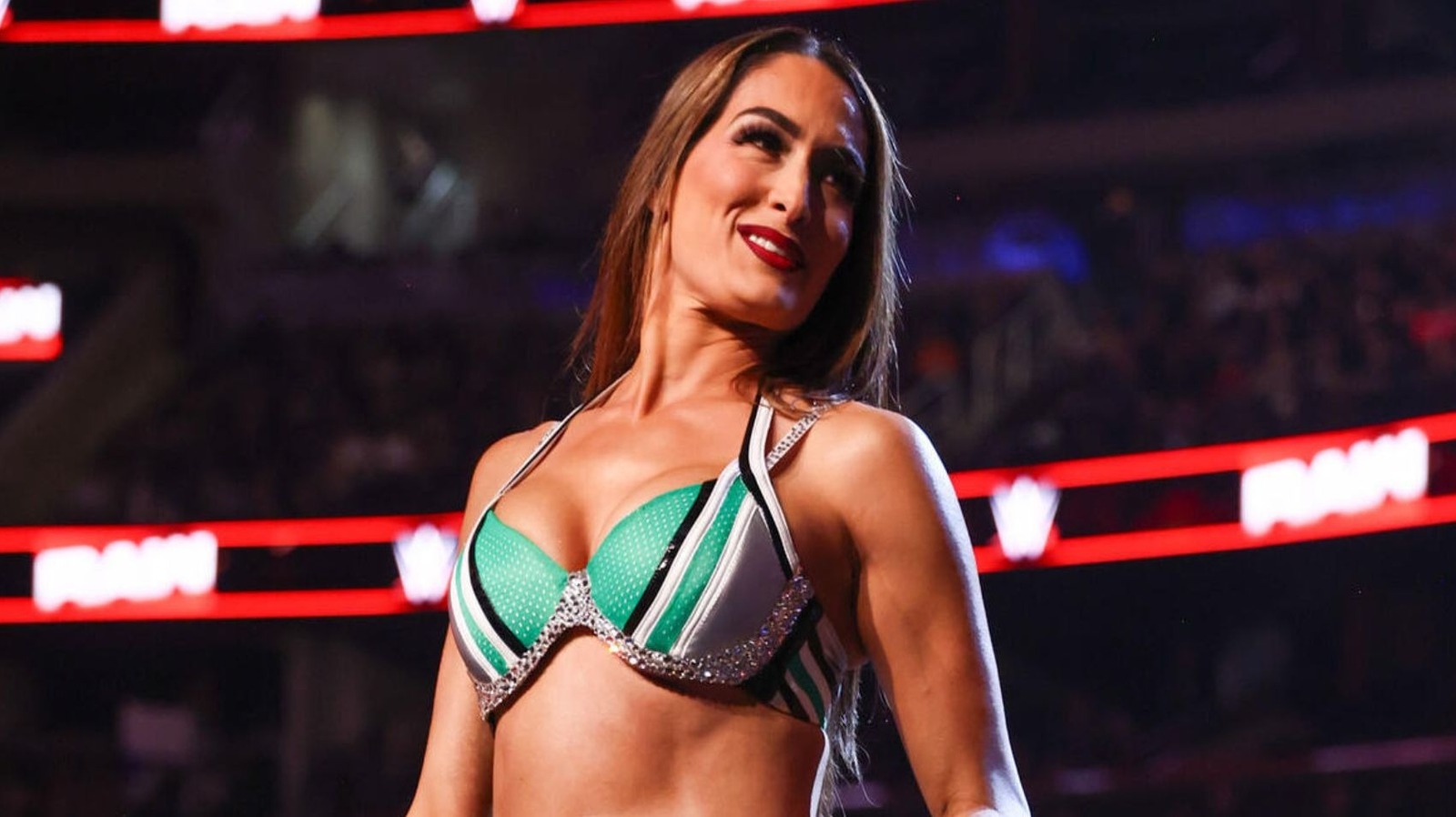
1. The Evolution of the Female Main Event. Nikki Bella transformed the perception of reality television crossover stars into legitimate workers capable of sustained title reigns. Her longevity as a champion forces respect even from critics who point to her later-career struggles with in-ring health.
2. The Ronda Rousey Rivalry. When Nikki Bella looks at Rousey—who handled Gina Carano in 17 seconds yesterday—she sees the ultimate benchmark. This rivalry remains the gold standard for how non-traditional wrestling talent should be integrated into high-stakes programs.
3. Celebrity Wheel of Fortune Appearance. Media appearances don't always translate to wrestling success, but her turn on prime-time game shows expanded the reach of the industry. As PWInsider detailed, her capacity to maintain a public profile outside the ring kept her relevant during long gaps in competition.
4. The Physical Return Condition. Nikki has been clear that any comeback hinges on her ability to be physical, a standard she refuses to compromise. This integrity regarding health sets her apart from peers who rush back to the squared circle for a paycheck.
5. Bridging the Logan Paul Era. Nikki Bella correctly identified that Logan Paul brings a different audience to the industry. Her advocacy for his involvement suggests a modern understanding of how new media entities sustain wrestling interests.
6. Reality Show Brand Building. Total Bellas and Total Divas allowed fans to see the person behind the persona, for better or worse. While some fans despise the over-exposure, the ratings generated by these programs provided a significant boost to WWE programming metrics.
7. The Rack Attack Finishing Maneuver. This move was iconic for its visual impact and reliance on brute force over technical finesse. While injuries ultimately curtailed its usage, it remains a defining aesthetic of the mid-2010s women's division.
8. Marketing and Merchandise Sales. Sales figures for branded items consistently topped charts, proving the twins understood the monetization potential better than most of the roster. If you ignore commercial impact, you miss why they stayed at the top of the card so long.
9. The Pivot to Advocacy. Moving away from the ring didn't stop them from speaking out on industry challenges. Their commentary on how to improve the product acts as a bridge to current talent looking to build their own futures.
10. The Twin Magic Controversy. While it served its purpose for years, the reliance on the gimmick eventually became stale. It sits at the bottom because it showcased an inability to evolve away from a specific crutch for far too long.
The Big Picture
The Bella twins changed the commercial trajectory of the women's division, but their legacy remains tied to questions about long-term ring safety and reliance on outside media for relevance. Balancing these factors determines whether you view them as pioneers or products of a reality-show-heavy booking era.
Honorable Mentions
Brie Bella's solo runs often under-delivered, yet deserve credit for their persistence. The Total Divas behind-the-scenes drama also ranks high for those who enjoy the soap opera aspect of the business, even if it lacked the in-ring technical quality favored by purists.