The Ghost in Guadalajara
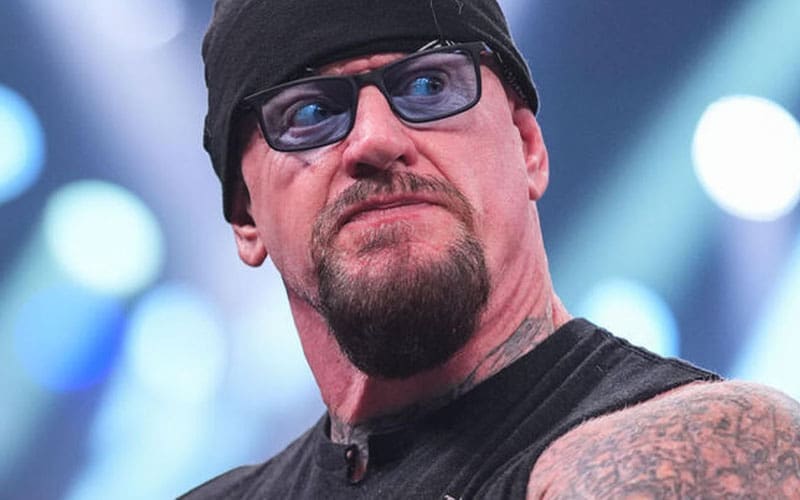
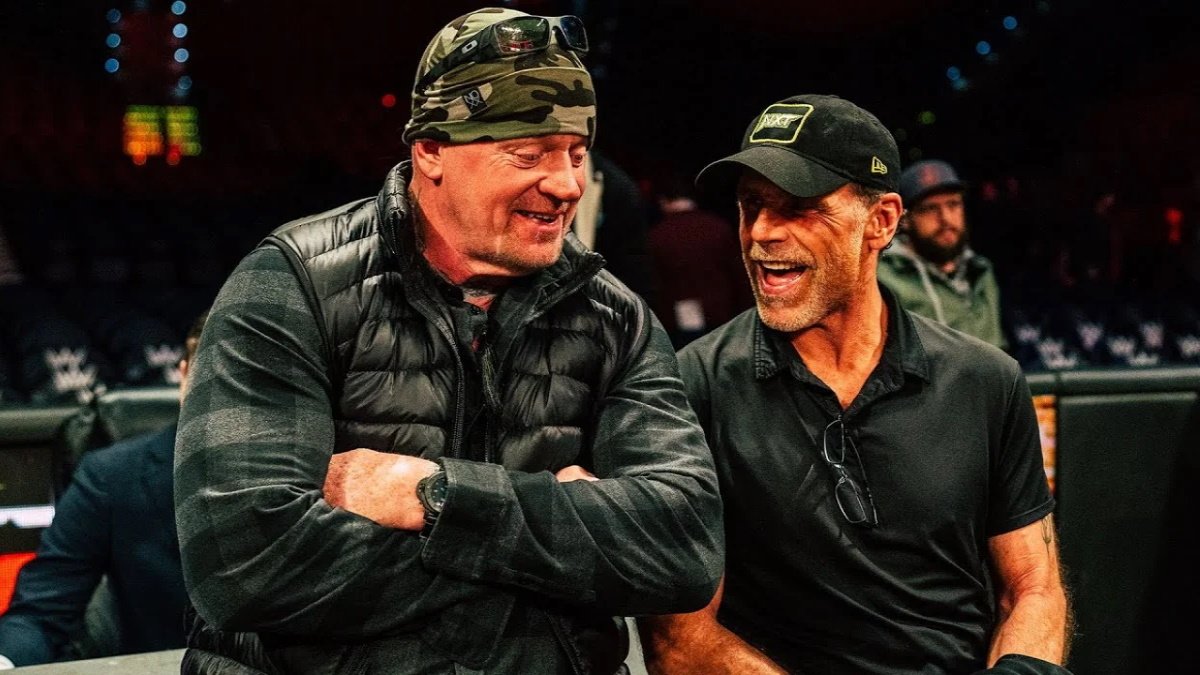
Let's get one thing straight: The Undertaker doesn't just show up somewhere by accident. For thirty years, Mark Calaway was the most protected character in professional wrestling, a mythical figure who existed only within the walls of WWE. He was the final boss, the conscience of the locker room, and the ultimate company man. He wasn't just an employee; he was part of the foundation. So when the Deadman himself pops up backstage at an AAA show in Mexico, you have to ask yourself: what in the hell is going on?
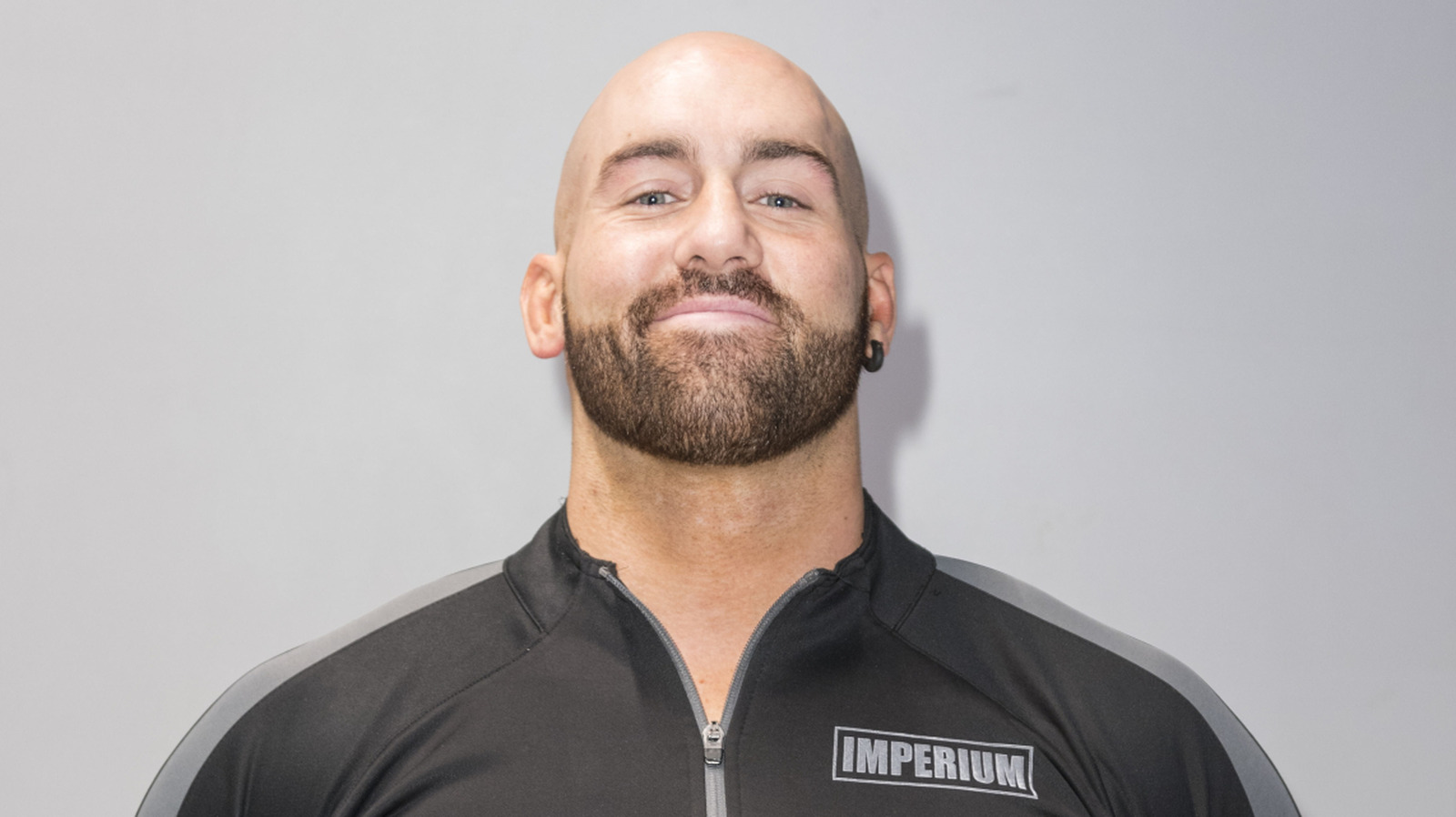
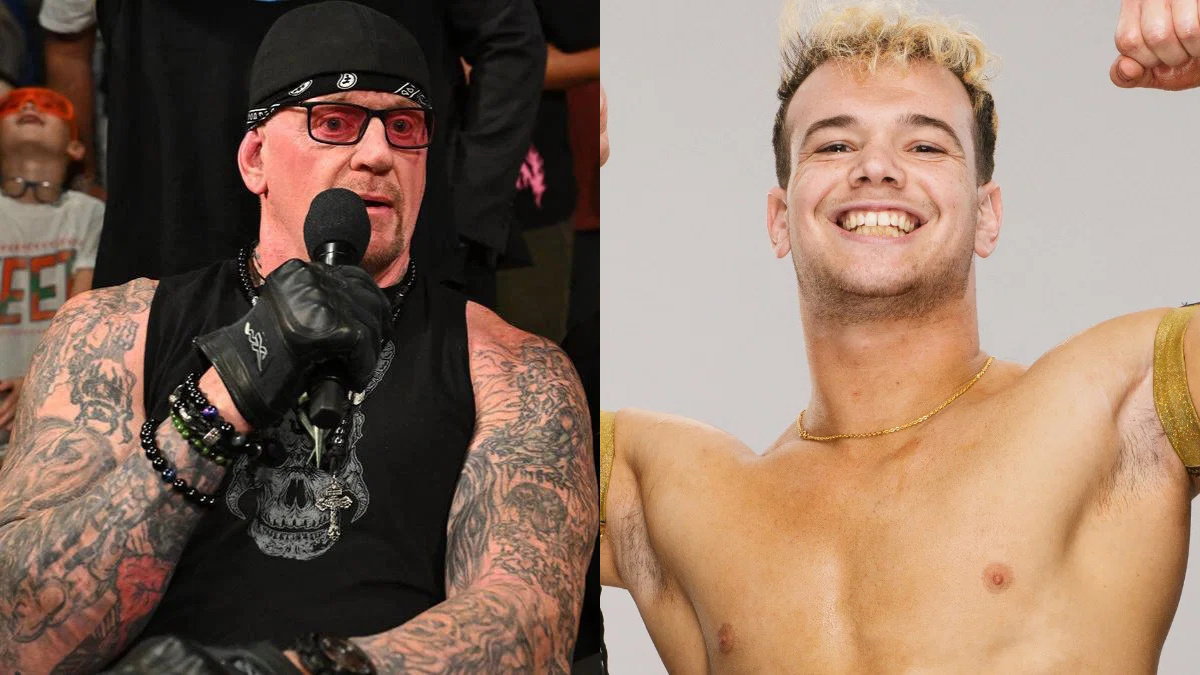
This isn't some grainy fan photo from a distance. This was reported, confirmed, and even detailed by a WWE-affiliated talent. Jack Cartwheel, a high-flyer who is part of WWE's "Next In Line" (NIL) program, openly talked about having a one-on-one meeting with 'Taker during the legend's little trip south of the border. This wasn't a celebrity stopping by to say hello. This had the distinct smell of business.
For decades, the idea of The Undertaker appearing in any capacity for a promotion not owned by Vince McMahon was laughable. It would be like seeing the Coca-Cola polar bear doing a commercial for Pepsi. It just didn't happen. WWE was a walled garden, and The Undertaker was the gatekeeper. That wall, however, seems to have a few new holes in it.
The End of an Isolationist Era
You have to remember the old empire. Under Vince McMahon, other wrestling promotions simply didn't exist, at least not publicly. Announcers were forbidden from mentioning them. Wrestlers who left were often persona non grata. It was an isolationist policy that worked for a long time, creating a universe where WWE was the only star in the sky. The term "forbidden door" became popular specifically because WWE's door was nailed shut, painted over, and guarded by a legion of lawyers.
Then AEW came along and kicked that door off its hinges, partnering with New Japan, Impact, and, yes, AAA. Suddenly, wrestlers were crossing battle lines, and championships were being defended across promotions. It made the wrestling world feel bigger, more unpredictable. All the while, WWE stayed on its island, pretending the rest of the world wasn't having a massive party.
Now? The Undertaker, a man so loyal to WWE he practically bleeds the corporate logo, is acting as some kind of unofficial ambassador in the heart of a key AEW partner's territory. This isn't just a crack in the wall; this is a T-800 from the future striding through it with a shotgun. The old rules are officially dead and buried.
The TKO Doctrine: A New World Order
So, why now? The answer probably has three letters: TKO. The new parent company, Endeavor, doesn't operate with the same wrestling-carny paranoia that defined WWE for so long. They're a global talent and media conglomerate. They see the world as a marketplace of talent and opportunity, not a zero-sum game of us-versus-them. They own UFC, which has fighters from all over the globe with different backgrounds and training camps. They don't care about old rivalries; they care about the bottom line.
Sending The Undertaker to AAA could be a multi-pronged power move. On one hand, it's a relationship-building exercise. AAA has historically been a hotbed for talent that later became huge stars in America, from Rey Mysterio to Andrade to Santos Escobar. Why not formalize that pipeline? Why wait for talent to break out when you can get in on the ground floor?
On the other hand, it's a subtle shot across the bow at AEW. It's WWE planting its flag on territory Tony Khan considers friendly ground. It’s a way of saying, "We're not ignoring you anymore. We're competing with you everywhere, even in the places you thought were safe." It’s a flex of the TKO muscle, showing that their reach is global and their legends are now diplomatic assets.
The only real downside here is for the fans who enjoyed the clear battle lines. There was a certain thrill in the tribalism of wrestling, the WWE universe versus everyone else. If everyone starts working together, does the industry become one giant, homogenized super-indy? Does it lose that punk-rock energy that promotions like AEW used to fuel their rise? It's a valid concern. When the empire stops fighting the rebels and starts inviting them to dinner, the nature of the conflict changes entirely.
What Happens Next?
We probably won't get a press release explaining The Undertaker's travel itinerary. It'll remain one of those weird, inside-baseball moments that signals a much larger shift. But it's clear the wrestling landscape in 2026 is fundamentally different from what it was even five years ago. WWE is no longer an isolated kingdom. It's a global superpower, and it's finally starting to act like one, using its immense legacy as a tool for modern conquest.
The Undertaker's appearance in AAA is more than just a fun photo-op. It’s a sign that the old war is over and a new, more corporate and potentially more interesting one is just beginning. The Deadman might be retired from the ring, but it looks like he's just been deployed to a new battlefield.