The 7-1 Principle
In the world of professional wrestling, character inspiration can come from anywhere: classic films, comic book villains, historical figures. For GUNTHER, the most dominant Intercontinental Champion in WWE history, the blueprint for his merciless in-ring persona was forged on a football pitch during one of the most shocking results in sports history.
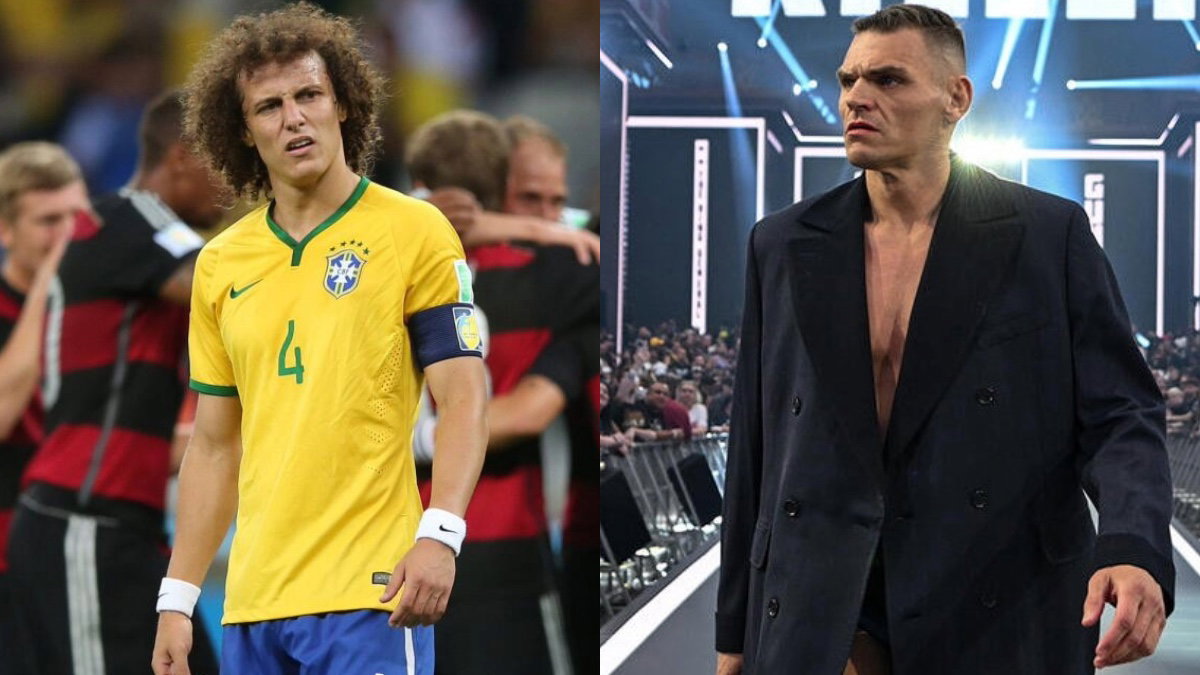
It was July 8, 2014. The FIFA World Cup semi-final. Host nation Brazil, overcome with nationalistic fervor, was systematically dismantled by Germany in a stunning 7-1 defeat. It wasn't just a loss; it was an emotionless, clinical execution. For a young Austrian wrestler then known as Walter, a light went on. This was the feeling he wanted to replicate inside a wrestling ring.
"The German national team against Brazil, and they beat them in Brazil, I think the end result was 7-1. Just the sheer dominance and the aura of that, and also how it was perceived by the audience. It was in Brazil, so the whole stadium was against them, but they just beat them and they didn't stop beating them until the game was over. I was like, that's what I want to do."
That single match became GUNTHER’s mission statement. His character isn't about flair, catchphrases, or fan adulation. It is about dominance. It is about an almost detached, superior approach to competition where the outcome is inevitable and the process is relentless. This philosophy explains the stoic demeanor, the punishing chops, and the complete disinterest in playing to the crowd. He isn't there for their approval; he is there to win, decisively and without sentiment.
A Strategic Transformation
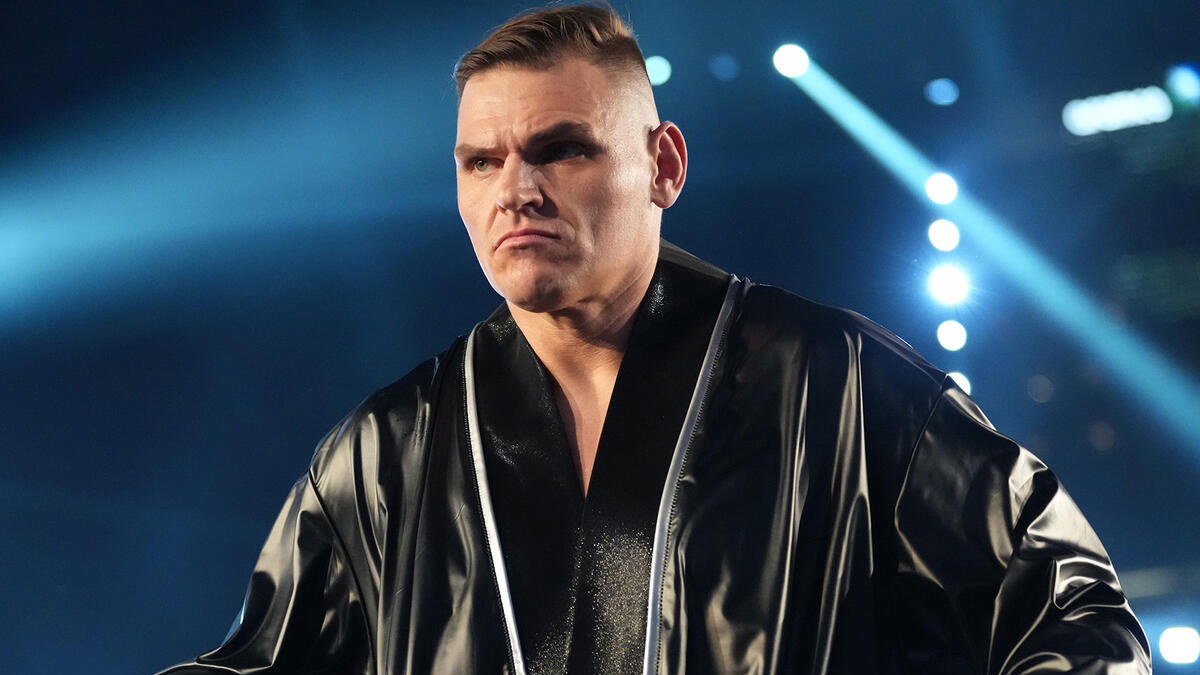
When GUNTHER arrived on WWE’s main roster in April 2022, his reputation as a fearsome, hard-hitting champion from NXT UK preceded him. However, he looked visibly different. The formerly bulky, almost brutish powerhouse had leaned out, presenting a chiseled, athletic physique that immediately stood out. In recent interviews, GUNTHER has been clear that this was not a simple vanity project or a mandate to "get in shape." It was a calculated, strategic decision for a new, much larger audience.
The hardcore fans of NXT and the European independent scene appreciated his previous look. It screamed authenticity—a throwback to the barrel-chested bruisers of the past. But Monday Night Raw is a different universe. It’s global television broadcast to millions, many of whom are casual viewers. For that audience, presentation matters differently.
"When I was the champion of NXT UK, I portrayed a certain character... I was the top guy of the brand, so I was the one that represented the brand in a sense," he explained. "But when you move to the main roster... you are on a show with a lot of other stars. You have to be able to stand out." He saw the move as an opportunity to present himself as a more serious, high-performance athlete, signaling to the mainstream audience that he was not a novelty act but a top-tier competitor on par with anyone in the company.
While the transformation was undeniably successful in marketing him as a premier athlete, it's worth noting that something was also left behind. The raw, almost terrifying aura of the 'Butcher of NXT' was partly tied to that larger frame. The newer, sleeker GUNTHER is an elite competitor, but the raw menace of his previous incarnation has been traded for a more polished, though no less effective, brand of dominance. It was a necessary evolution, but one that shed a specific layer of intimidation.
The Purity of Being the Villain
In an era where many villains desperately seek to be the "cool heel," GUNTHER wants none of it. He thrives on being genuinely disliked, seeing it as the most authentic expression of his character. He finds the boos and the hatred from the crowd to be a sign that he is doing his job correctly. For him, the adversarial relationship between performer and audience is the essence of professional wrestling.
"I enjoy it. It feels more real to me," GUNTHER stated. He views his role as that of a final boss, an obstacle for the hero to overcome. The narrative only works if he is a credible, disliked threat. If the audience is cheering for him, the dramatic tension collapses. This commitment to his role is why his matches feel different. They aren't just athletic contests; they are morality plays where he represents an unflinching, antagonistic force.
This old-school philosophy is a rarity today, and it’s a key reason for his success. He isn’t winking at the camera or trying to sell t-shirts with a clever catchphrase. He is The Ring General, and the only validation he seeks is the referee raising his hand in victory while the hero lies defeated at his feet.
The Triple H Effect on Europe
GUNTHER’s perspective extends beyond his own character. As a veteran of the European wrestling scene, he has a unique insight into WWE's international strategy, and he gives significant credit to Paul "Triple H" Levesque for a fundamental shift in how the company views talent from the continent.
For decades, being a European wrestler in WWE often meant being saddled with a stereotypical gimmick. You weren't just a wrestler from Germany; you were a German caricature. According to GUNTHER, Triple H changed that mindset. The focus shifted from signing wrestlers *to be* European to signing the best wrestlers *from* Europe and letting them be themselves.
"I think with him, the shift in WWE happened... he just focused on, ‘Okay, let's get the best wrestlers in the world and have them compete against each other,'" he said. This philosophy powered the rise of NXT and NXT UK, creating platforms where in-ring talent was the primary currency. It allowed performers like GUNTHER, Finn Balor, and others to build their names based on their work rate and authenticity, not a flag-waving gimmick. This strategic change not only enriched the WWE product but also legitimized a generation of international talent, proving they could be main-event players without compromising their identity.