Tactical eyes on a Lucha Libre shift
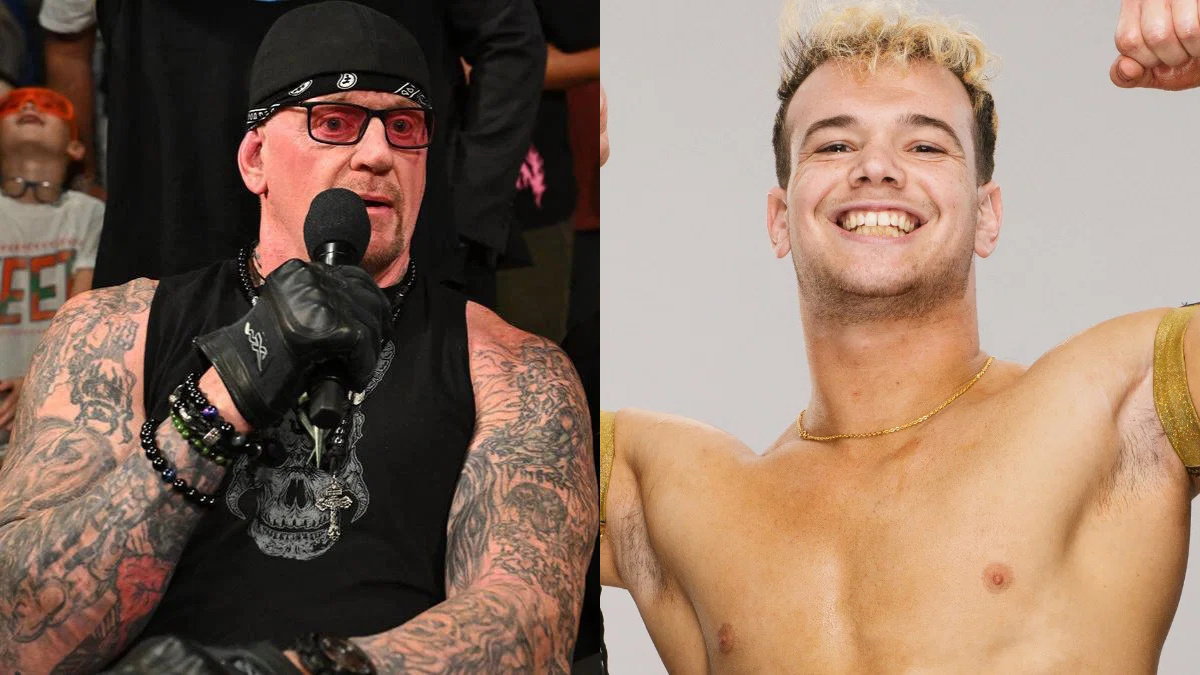
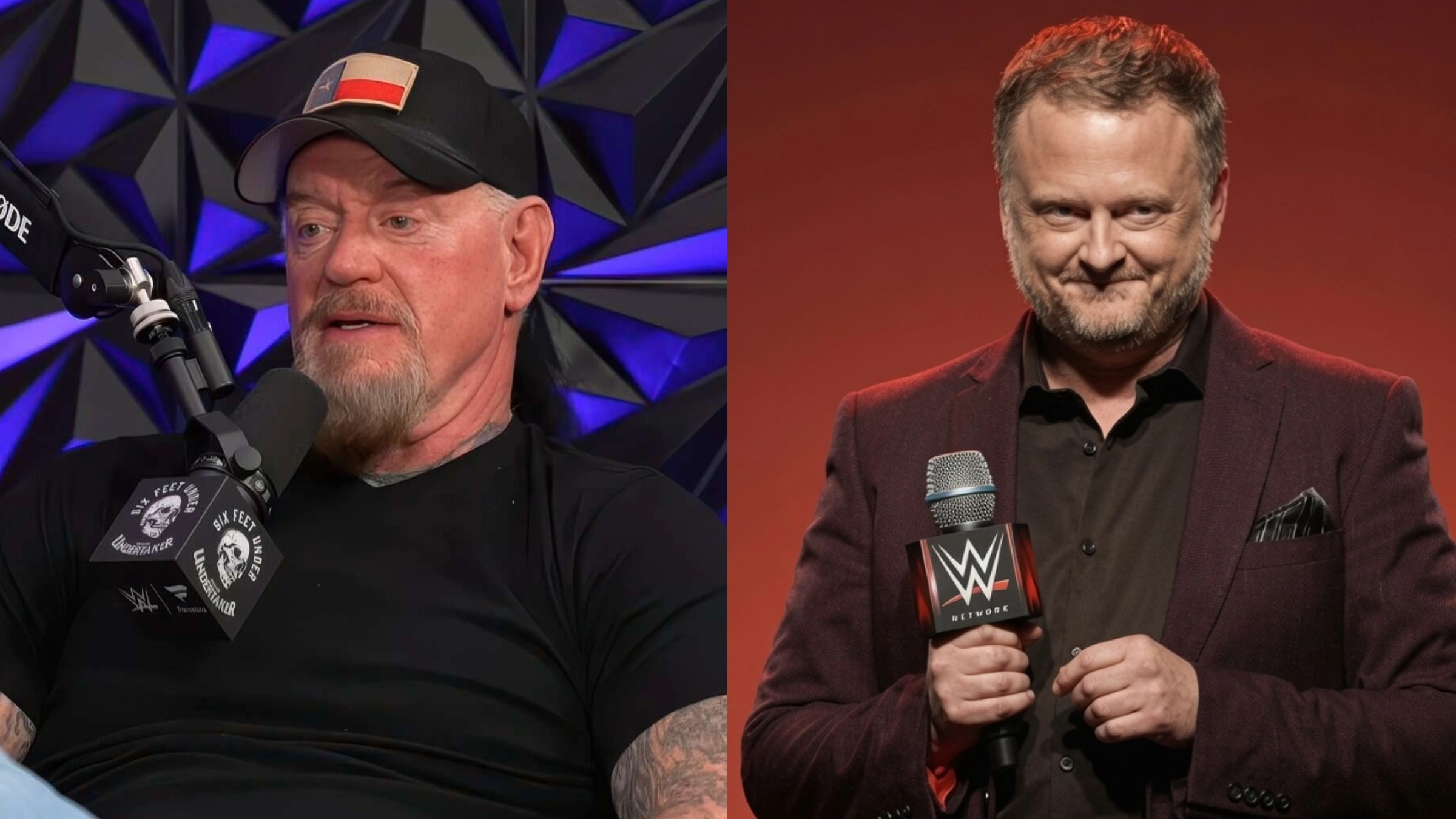
The recent trajectory of AAA remains the most fascinating study in professional wrestling right now. While many focus on the major American promotions, the stylistic overhaul happening in Mexico demands closer inspection. JBL, speaking recently, attributed this shift to the combined influence of The Undertaker and Jeremy Borash. Their presence as consultants has introduced a structural discipline that was arguably lacking in the promotion's previous iteration.
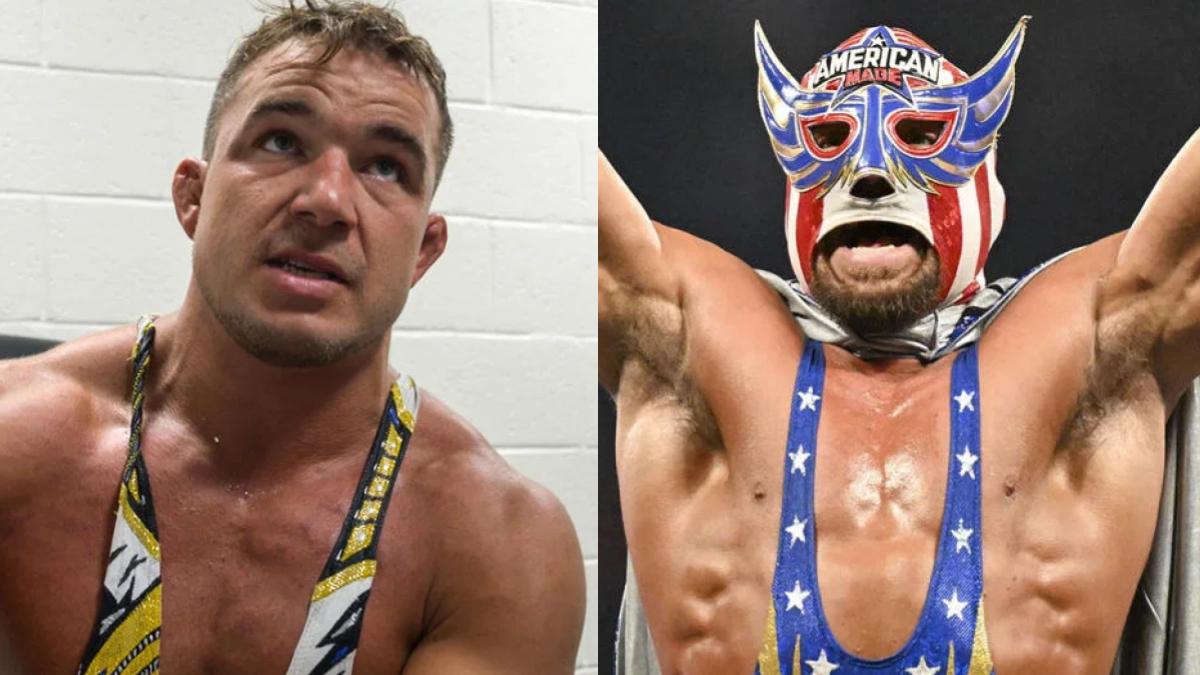
The impact is visible in the pacing of matches. Historically, AAA matches thrived on chaotic high-spots that often ignored logical selling or ring positioning. Under the current guidance, we are seeing a distinct emphasis on character-driven storytelling within the frame of the match. Talent is increasingly prioritizing the psychological build to signatures, rather than sprinting through sequences for the sake of crowd heat.
The Borash blueprint
Jeremy Borash brings an encyclopedic knowledge of high-production television and narrative rhythm. His fingerprints are all over the current broadcast style, which favors tighter camera angles and focused, linear storytelling. This move away from wide, cluttered shots allows the audience to follow the tension of a submission hold rather than missing subtleties in the background. As documented in recent industry reports, executives have clearly identified this as a viable path for increasing the engagement of a broader demographic.
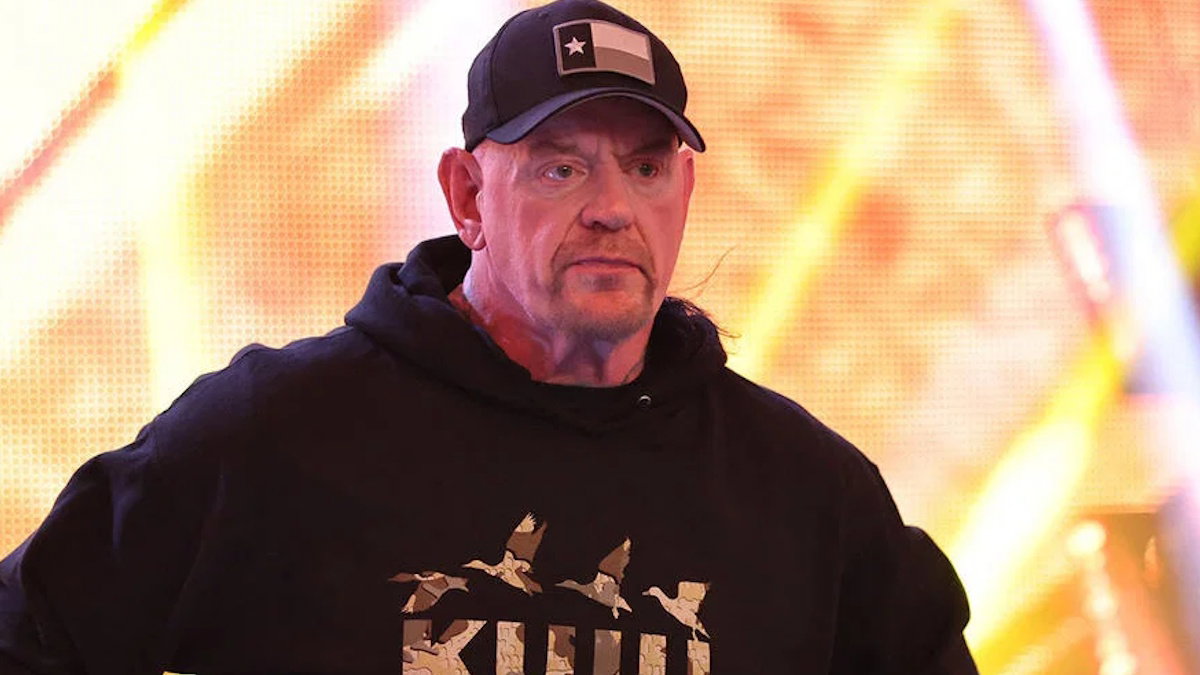
The Undertaker, conversely, acts as the arbiter of presence and weight. Younger talent in the AAA roster now displays a sharper understanding of spatial awareness and the importance of post-move silence. It is not about doing more; it is about making the "more" mean something. Watching a main event in 2026 versus two years ago, the difference in gravity is immediate. Wrestlers are no longer moving for the sake of motion; they are moving to establish dominance.
Flaws in the format
Despite the upward trend, the booking still periodically relies on outdated tropes to keep casual fans invested. There is an over-reliance on sudden interference in high-stakes matches, which frequently undermines the clean, technical wrestling that the Borash-Undertaker influence tries to build. If the management forces these interferences, the 15-minute mark often devolves into nothing more than a chaotic mess, regardless of how well the preceding sequences were choreographed.
The promotion must balance its newfound athletic prestige with its historical reliance on spectacle. Relying on an outside perspective is a massive gamble, especially when local audiences have specific expectations for what a lucha main event looks like. If they push too hard toward a Westernized television style, they risk alienating the hardcore base that made AAA a global sensation. Consistency is the only metric that matters this summer.
Anticipation for the upcoming cards
The industry is watching to see if this marriage of American presentation and Mexican talent persists. If the current trajectory continues, AAA will likely force a change in how other international promotions view their own output. The stakes are high for everyone involved, particularly as we approach a summer season saturated with global sports programming. As noted in the Impact feud tracker, booking cohesion is effectively the difference between a promotion that lasts and one that fades into the mid-card.
Prediction? I expect the upcoming AAA events to lean heavily into technical storytelling to distinguish themselves during the World Cup lull. They are positioning themselves to capitalize on the audience retention vacuum. If they can minimize the interference spots that currently plague their finishes, they will solidify this era as a high point in their history. My call: they tighten the booking by August 2026, becoming the most disciplined product in the lucha scene.