Measuring the impact of a move never designed for fame
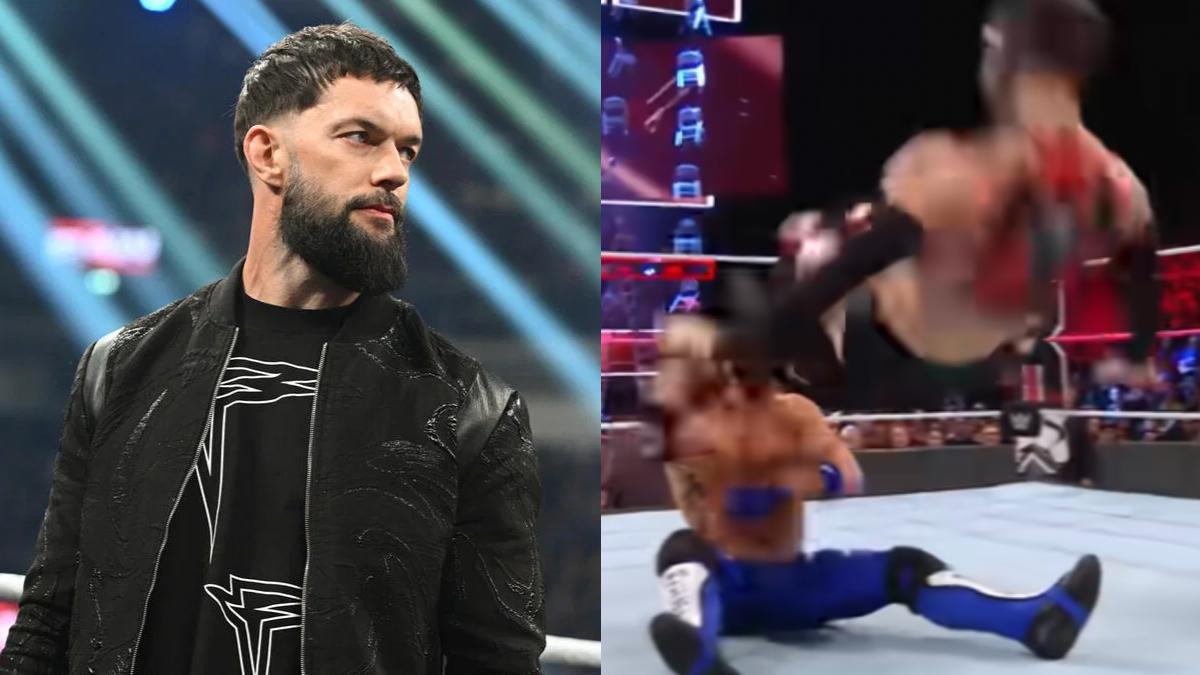
Finn Balor currently operates as one of the most reliable performers in WWE, yet his signature dropkick reversal into a sunset flip was never meant to be a permanent fixture in his arsenal. Following recent comments, Balor noted he simply needed a transitional beat to fill a specific time slot during a match. The move evolved from a throwaway spot into a recurring highlight.
This is a masterclass in wrestling utility. Wrestling fans often overanalyze choreography, but the best sequences are born from necessity rather than high-concept planning. When a performer treats a transition as a primary heat-getter, the mechanics of the bout improve instantly.
The cost of the physique and the discipline of the diet
To maintain his status on Raw, Balor adheres to a rigid nutritional protocol that borders on the ascetic. He reports a scheduled cheat meal at least once every 14 days, a timeframe he maintains to reset his metabolic markers. He has gone on record stating he intentionally seeks out the feeling of sluggishness that follows these meals as a mental psychological check.
This level of precision is rare even among the modern, hyper-athletic roster. While many peers fluctuate in conditioning depending on the television schedule, Balor treats his body as a depreciating asset he must constantly renovate. His conditioning is not just for the camera; it is a tactical choice to ensure he can maintain pace in 20-minute main events.
The promo barrier and the Heyman adjustment
For years, the critique of Balor was that he could deliver the athleticism but lacked the vocal command to anchor a main event segment. He recently revealed that advice provided by Paul Heyman shifted his perspective on microphone work entirely. It stopped being about memorizing lines and started being about internalizing the intent behind the words.
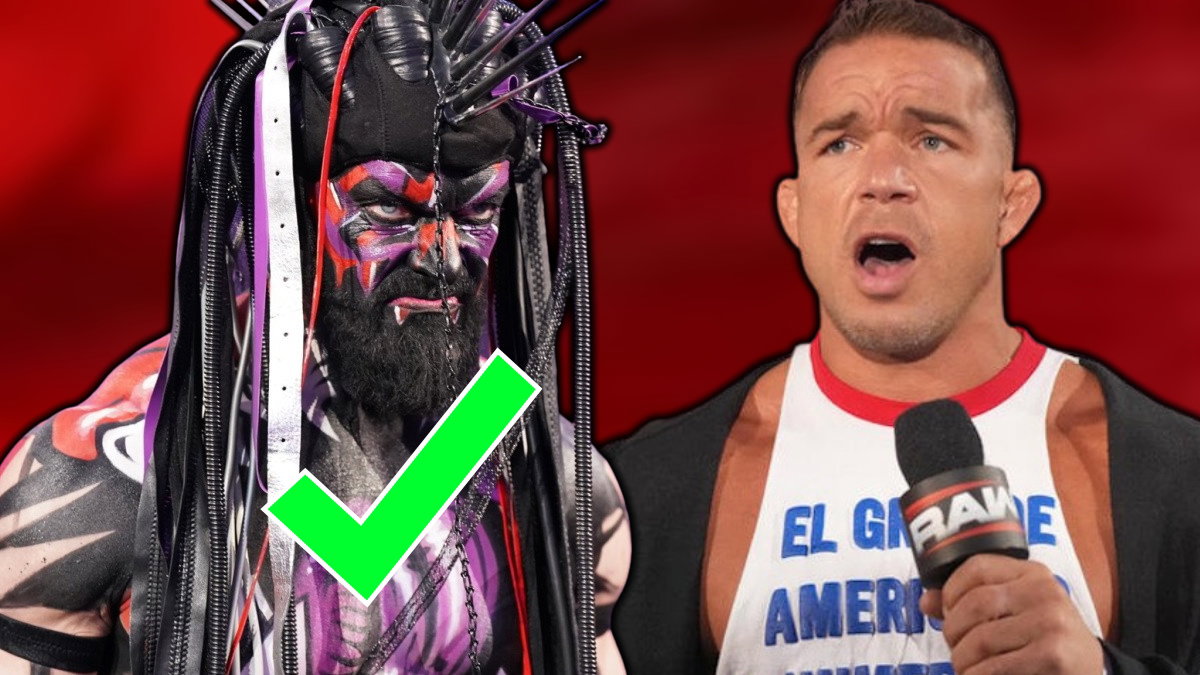
Despite his current success, the trajectory of his career remains a point of contention among fans who remember the original character pitches. Before arriving at the ring as Finn Balor, internal pitches included the name McGregor. That pivot alone would have changed the marketing strategy behind his debut.
The success versus tragedy of the Universal Title
Balor has been adamant that his initial Universal Title win should be viewed as a 100% success story rather than a tragedy regarding his subsequent injury. His perspective is a refreshing departure from the revisionist history common in wrestling circles.
The numbers support his contention, even if critics point to the lost momentum caused by the timing of his physical setback. However, judging a performer solely by an injury-shortened title reign ignores the longevity he has displayed since returning to the mid-card and tag-team ranks. He is a rare example of a wrestler who transitioned into a role player without losing his credibility as a top-line credible challenger.
If there is a flaw in his current booking, it is the lack of a defining, long-term championship arc that sticks. He has the technical foundation, the conditioning, and the now-refined promo ability, but the booking office has yet to commit to a sustained run that lasts longer than 90 days. He remains the company’s most capable utility infielder, but at 42, his window to move from utility to permanent fixture is closing.