The Big Picture
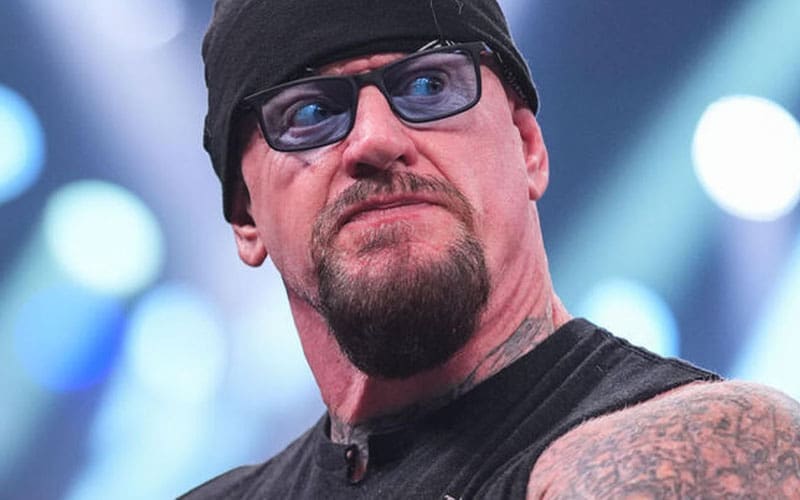
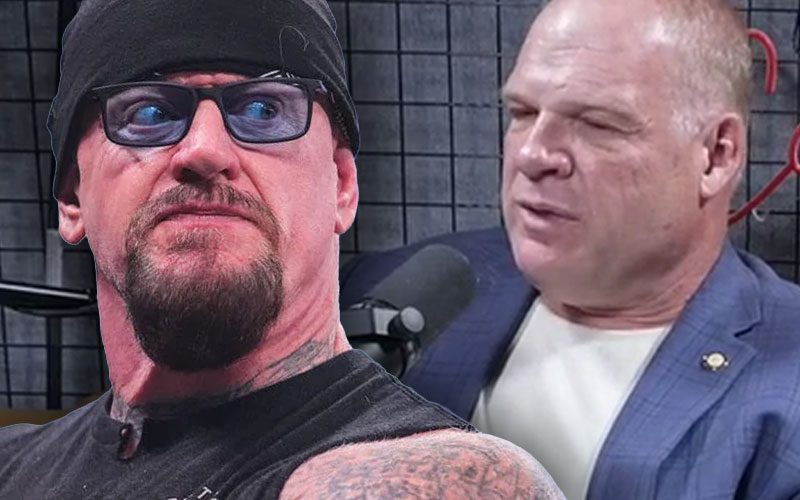
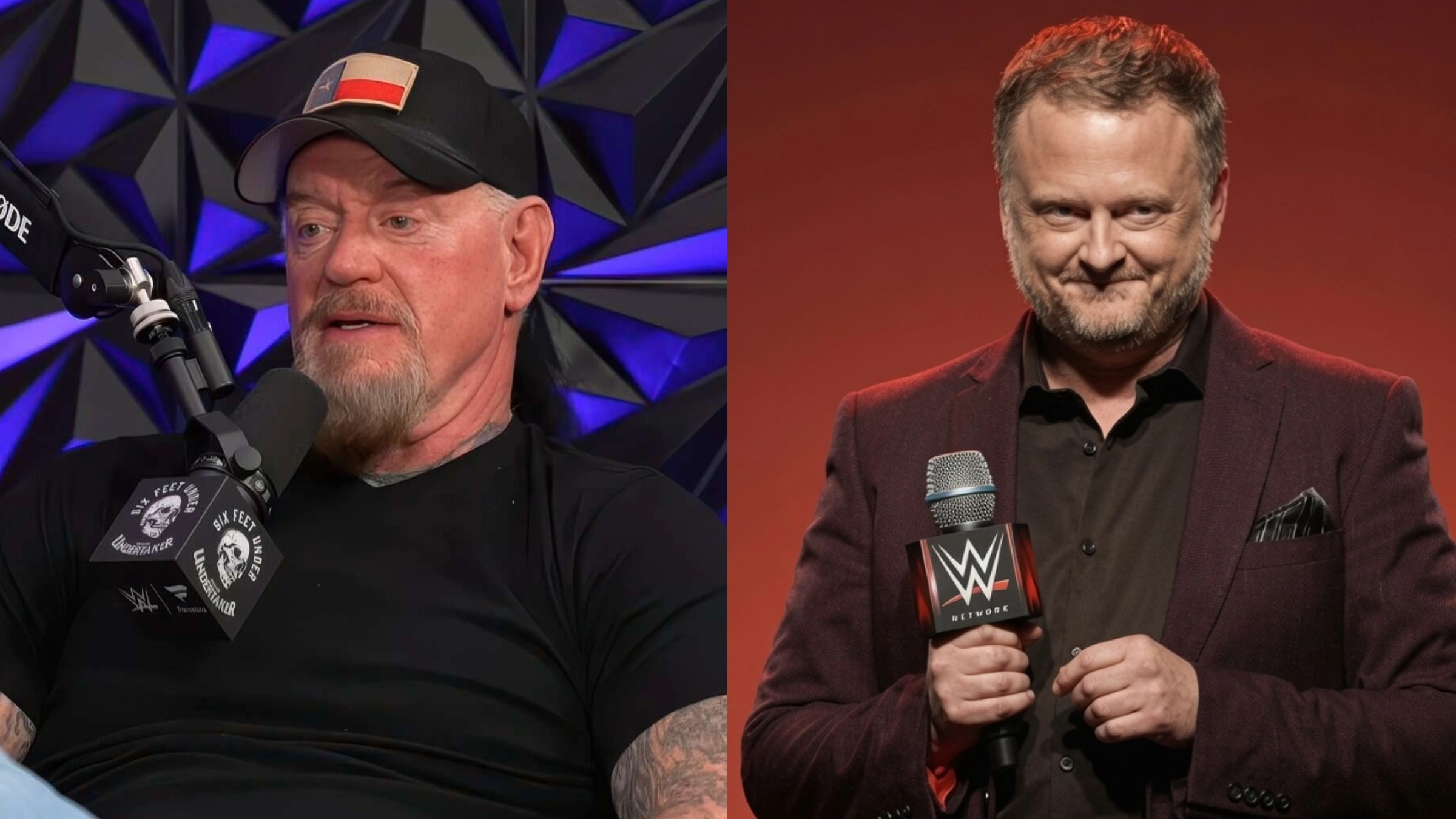
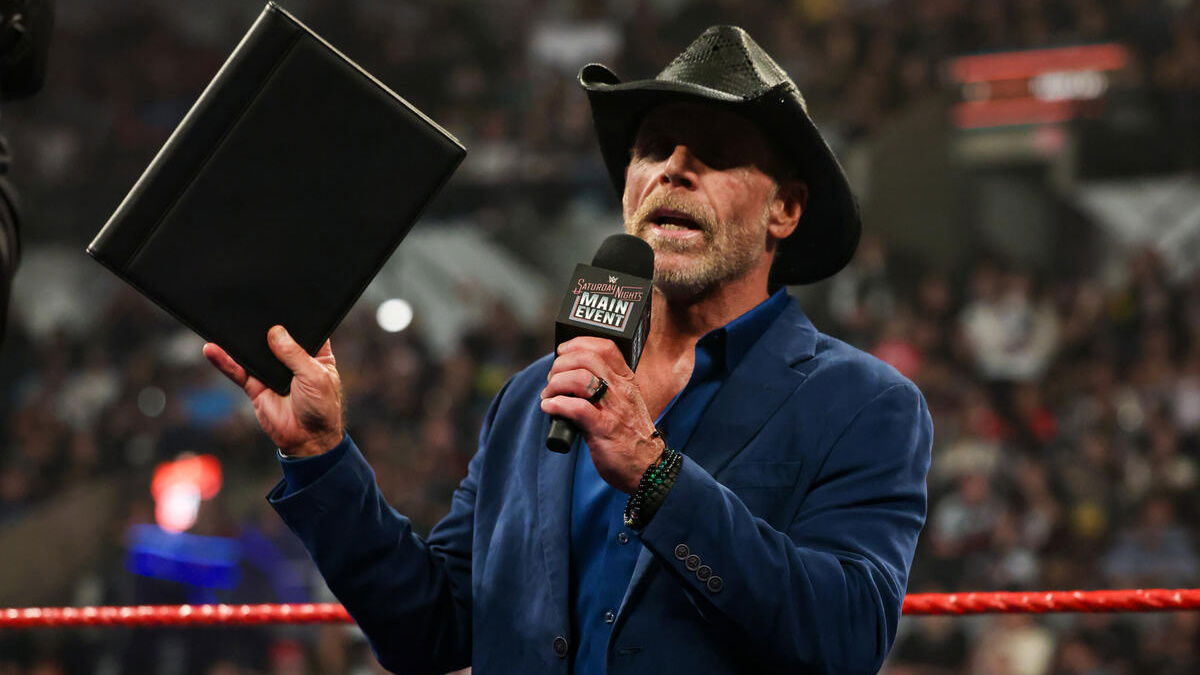
The ink is barely dry on WWE's acquisition of Lucha Libre AAA, but the executive structure is already shifting into place. Shawn Michaels, speaking just days before the chaos of WrestleMania 41, confirmed that Mark Calaway—The Undertaker—has taken a lead role in the creative direction of the Mexican promotion. It is a move that has sent shockwaves through the industry, pairing a Texas traditionalist with the most chaotic wrestling culture on the planet.
Michaels didn't shy away from the oddity of the pairing during his recent session with the media. He pointed out the deep irony of a man who spent three decades as the conscience of the WWE locker room now overseeing a style defined by masks, high-flying risks, and often nonsensical logic. For Michaels, however, the fit is more natural than it looks on the surface.
The Lucha Roots of a Legend
Shawn Michaels focused heavily on the physical vocabulary that The Undertaker brought to the ring during his active career. He specifically cited the agility that allowed a 6'10" giant to navigate the top rope with the grace of a man half his size. That rope walk, which fans affectionately know as 'Old School,' is a direct descendant of the balance and poise found in the high-flying Mexican style.
It’s ironic that the Lucha Libre style has essentially become his trademark over the years without anyone calling it that. Mark was doing things on the top rope in 1990 that big men simply didn't do. He understands balance and he understands the spectacle. That is the core of AAA.
The transition isn't just about moves, though. Michaels argued that Taker’s career was built on the 'Mask' in a metaphorical sense. The Deadman gimmick required a level of character commitment and protection that mirrors the sacred nature of the mask in Mexico. Taker didn't just play a character; he inhabited a myth. That is exactly what AAA needs as it tries to scale its product for a global audience under the TKO umbrella.
The Culture Clash in Mexico City
While Michaels is optimistic, the move isn't without its detractors in the Iztapalapa district and beyond. AAA has long been the wild west of professional wrestling. It is a promotion where finish lines are blurry, referees are often part of the rudo factions, and the storytelling can feel like a fever dream. The Undertaker, by contrast, is a student of the 'territory' style—grounded in logic, heat, and protecting the business.
There is a legitimate fear that Taker will attempt to 'WWE-ify' a product that thrives on its own messiness. If he strips away the chaotic brawls to favor 15-minute technical clinics, he risks alienating the core fanbase that packs the arenas in Mexico City. The grit of AAA is its selling point. Sanitize it, and you just have NXT with more colorful masks.
Michaels dismissed these concerns, suggesting that Taker isn't there to change the soul of the promotion, but to provide the structure needed for international television. The goal is to prepare AAA talent for a jump to the main roster while keeping the local product authentic. It is a delicate balancing act that requires a veteran hand, even if that hand spent most of its time digging graves in the United States.
WrestleMania 41 and the Global Roadmap
The timing of this announcement is no coincidence. As we head into WrestleMania 41 on April 19, WWE is looking to cement its status as a global sports entertainment conglomerate. The purchase of AAA was the first major domino to fall in what many believe will be a series of international acquisitions. By putting The Undertaker in charge of AAA's creative, WWE is sending a message that they aren't just buying tape libraries; they are actively managing the talent pipeline.
We are likely to see the first fruits of this labor during the two nights in Las Vegas. Rumors are already swirling about a heavy AAA presence in the mid-card matches, possibly integrated into the LWO storylines. Michaels hinted that Taker has already been working with the roster to tighten up their timing for the American broadcast style. The goal is to ensure that when a Luchador debuts on Raw or SmackDown, they don't look like they're wrestling in a different sport.
The Verdict: A Necessary Gamble
Is The Undertaker the right man for this job? From a branding perspective, absolutely. His name carries weight in every corner of the globe. From a creative perspective, it is a high-stakes gamble. Taker is a traditionalist who values the 'slow build.' AAA is a promotion that often moves at 100 miles per hour with very little regard for the brakes. If Taker can find the middle ground—harnessing the energy of Lucha while injecting a bit of WWE's narrative discipline—it could be the most successful expansion in the history of the sport.
However, he must be careful not to over-coach. The beauty of AAA is the unpredictability. If every match starts looking like a scripted rehearsal from the Performance Center, the magic will vanish. Taker needs to be a mentor, not a drill sergeant. He needs to respect the 70 years of tradition that came before him while guiding the promotion into its new corporate reality.
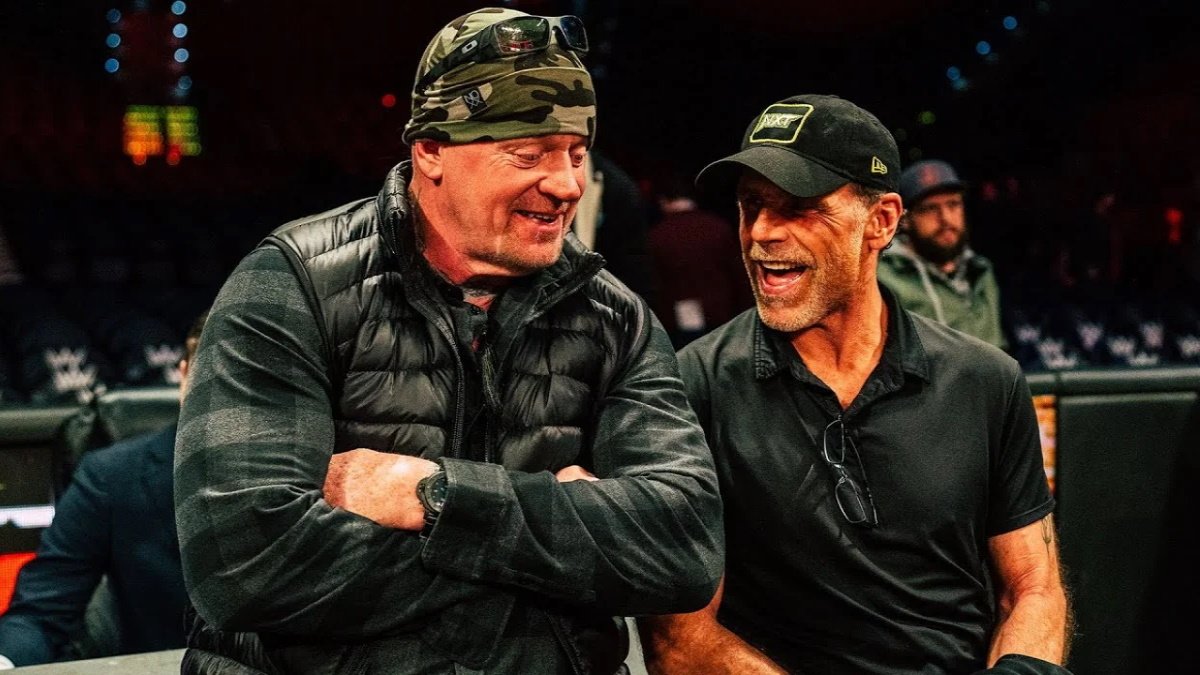
Michaels seems confident that his old rival can handle the pressure. He joked that after surviving three decades of locker room politics and the streak, a few dozen Luchadors in Mexico City should be a walk in the park. But as anyone who has followed AAA knows, the park in Mexico City is a lot more dangerous than it looks on the map. The Deadman has his work cut out for him.
Read Next
- La Catalina defects to AAA in the first real test of WWE's CMLL buyout
- Penta is heading to WrestleMania 41, but his latest win feels hollow
- Top 10: The Defining Moments of the NXT Reboot Era
- The new Shawn Michaels documentary is a nostalgic trip with zero new info
- 🏆 WrestleMania 41 — Full Coverage Hub