Undertaker assumes control as WWE integrates AAA
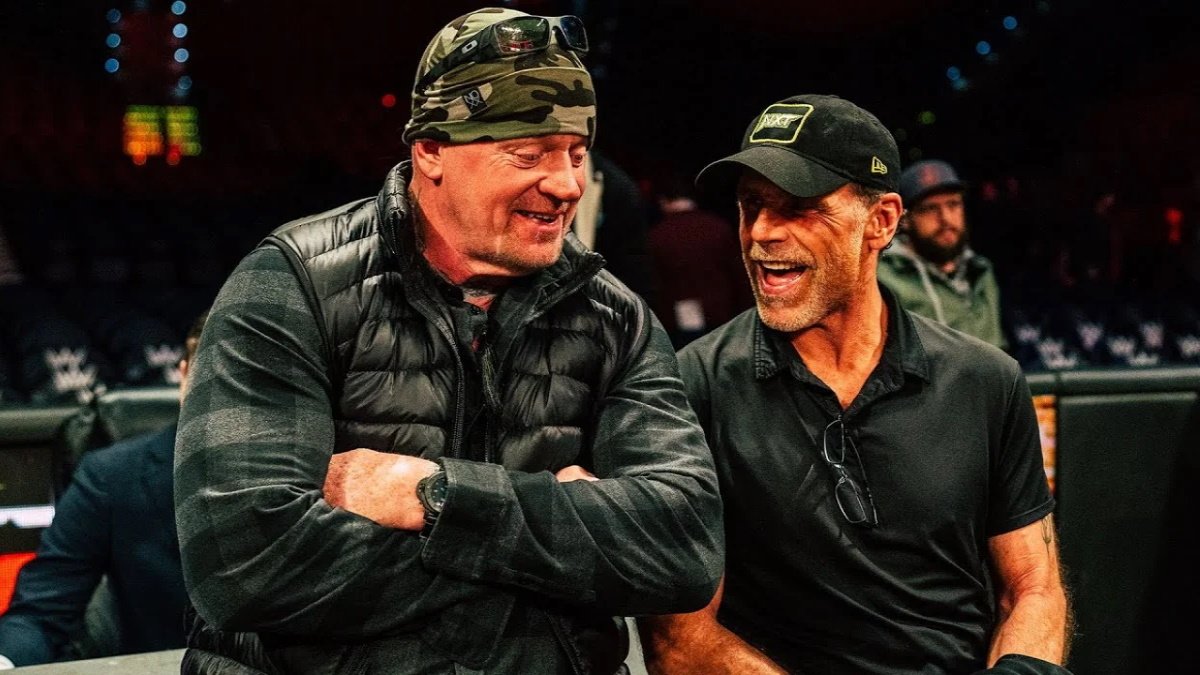
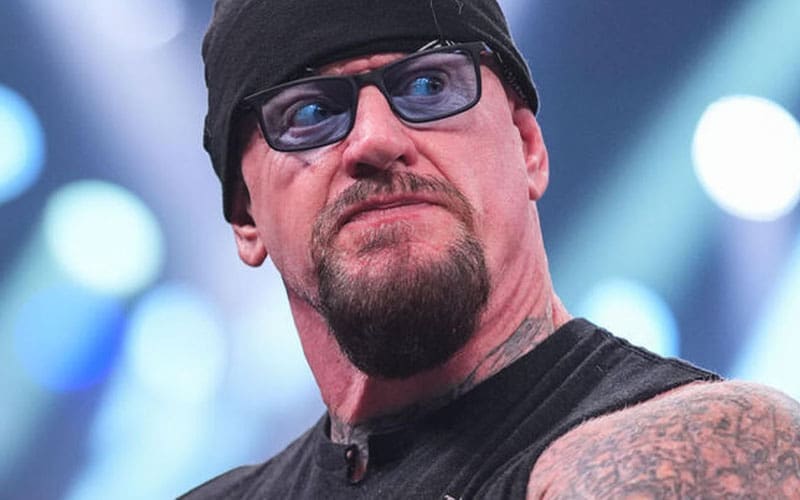
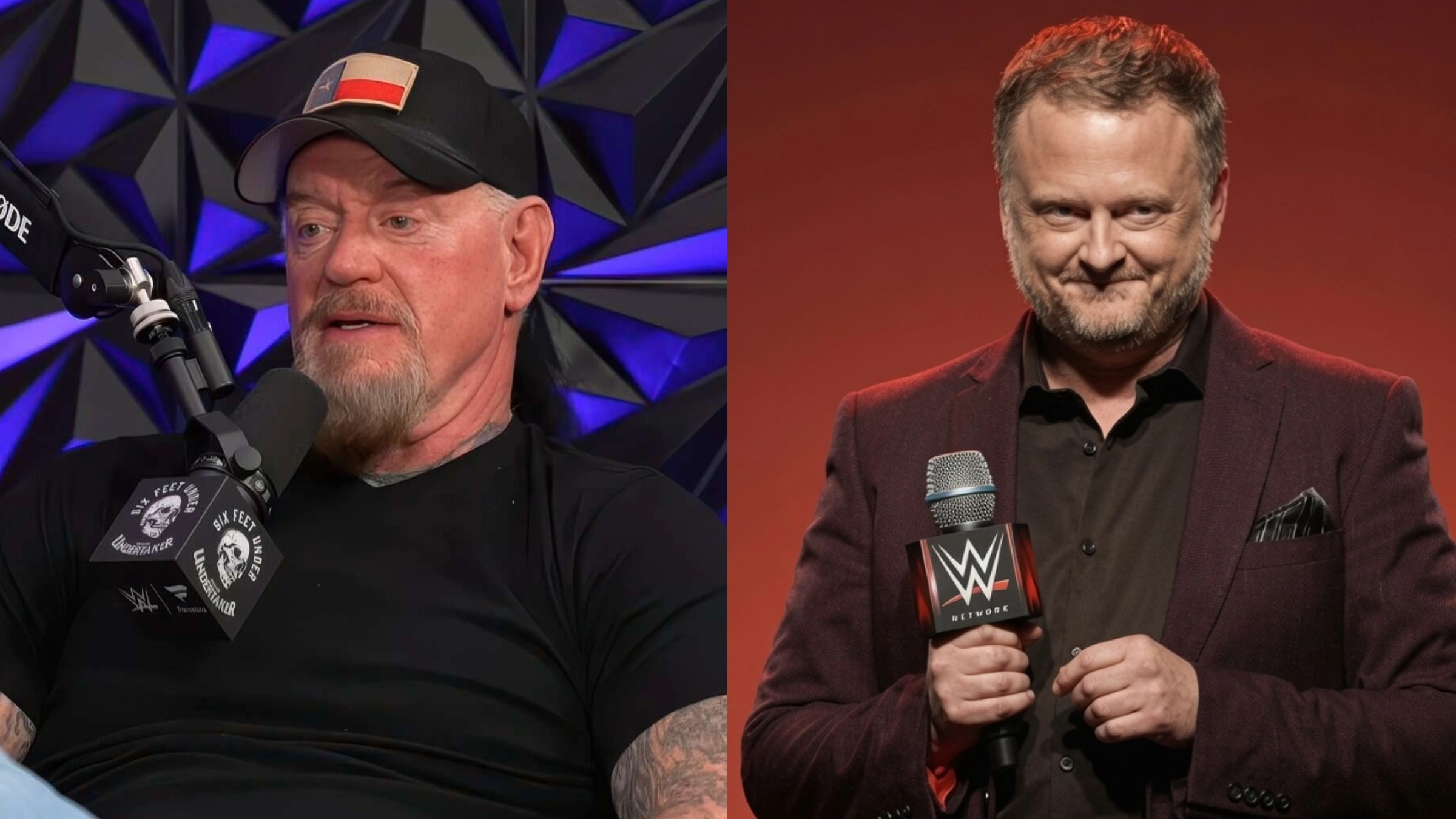
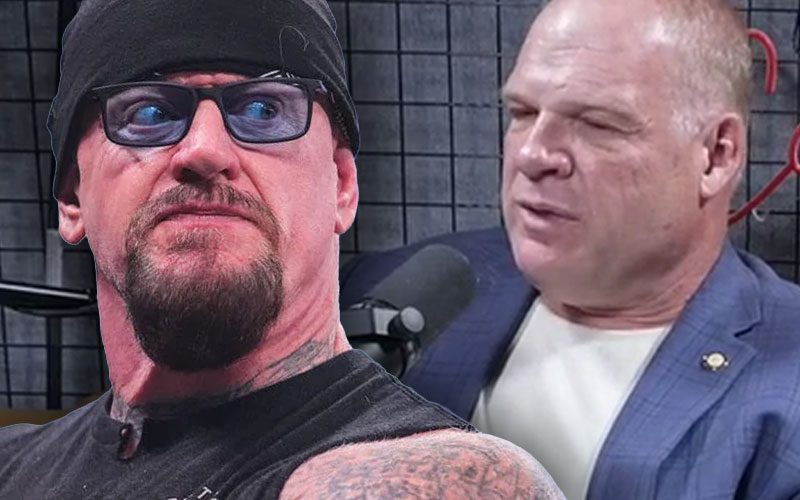
Glenn Jacobs, better known to the WWE audience as Kane, recently broke his silence regarding the professional evolution of Mark Calaway. Following the corporate acquisition of Lucha Libre AAA Worldwide by WWE, The Undertaker has shifted from an on-screen icon to an operational force behind the scenes.
The move has surprised many observers who pegged the Deadman for a quiet retirement. Instead, he has been spotted frequently in Mexico overseeing production workflows and creative output. Jacobs noted that Calaway’s innate grasp of long-term narrative structures made him the perfect candidate to handle the logistical shift involved in this merger.
I have watched Mark operate for three decades, but seeing him command a locker room in this new capacity is something else. He understands the history of wrestling, but more importantly, he understands how to protect the business while modernizing it for a global streaming audience.
The transition is not without its teething pains. Since the takeover, several veteran luchadores have expressed frustration regarding the increased emphasis on sports entertainment production values compared to the traditional, fast-paced lucha style. The stylistic pivot toward more deliberate, storytelling-heavy bouts has drawn ire from purists who feel the essence of AAA is being diluted by WWE-style pacing.
The operational friction of a mid-season merger
Integrating a promotion as distinct as AAA into the WWE machine presents obvious risks. Under the guidance of Calaway, the promotion has moved to standardize travel logistics and safety protocols, policies that have been standard in Stamford for years. However, the culture clash remains apparent.
According to reports from Ringside News, the relationship between the front office and the veteran training staff is cooling. Talent is reportedly unhappy with the reduction in high-risk spots during television tapings. If the ratings for the upcoming Mexico City residency mirror these backstage tensions, the experiment could face significant scrutiny from the board of directors.
Kane’s endorsement serves as a strategic vote of confidence. By aligning with Calaway’s vision, he helps quiet the noise surrounding the controversial administrative shakeup. Publicly backing the man responsible for the transition keeps the narrative focused on brand synergy rather than internal fracturing.
Evaluating the results of the Undertaker era
The early returns on this transition are mixed. While the production quality of recent broadcasts has seen a 25 percent increase in high-definition camera coverage and lighting upgrades, the live crowd reactions in Monterrey have been muted. The shift to more complex, multi-segmented storylines feels foreign to a fan base accustomed to pure athletic competition.
Success in this role hinges on Calaway’s ability to compromise. If he pushes the WWE house style too aggressively, he risks alienating the core audience that built the AAA brand into an international powerhouse. Conversely, maintaining the status quo would render the acquisition moot. Finding the middle ground is the only way to avoid a total collapse of the product’s identity.
Ultimately, Calaway is currently managing a delicate balance of legacy and corporate expansion. His presence in the Gorilla position for AAA tapings is proof that WWE intends to keep a tight grip on the product. Whether he can replicate his legendary career longevity in an executive seat is the genuine concern of the day.
Fans expecting a radical return to form should temper their expectations. The current trajectory suggests a permanent shift in how lucha libre is consumed on major streaming platforms. With the FIFA World Cup kickoff scheduled for June 11, 2026, WWE is using the current lull in the wrestling calendar to solidify this structure before the summer sports frenzy diverts casual viewership.
Expect further updates on the AAA broadcast team as the summer continues. The clock is ticking for the promotion to prove this merger creates value rather than just overhead. Keeping the audience engaged will require more than just corporate approval from legends; it requires high-quality television that respects the history of the ring.