The Big Picture
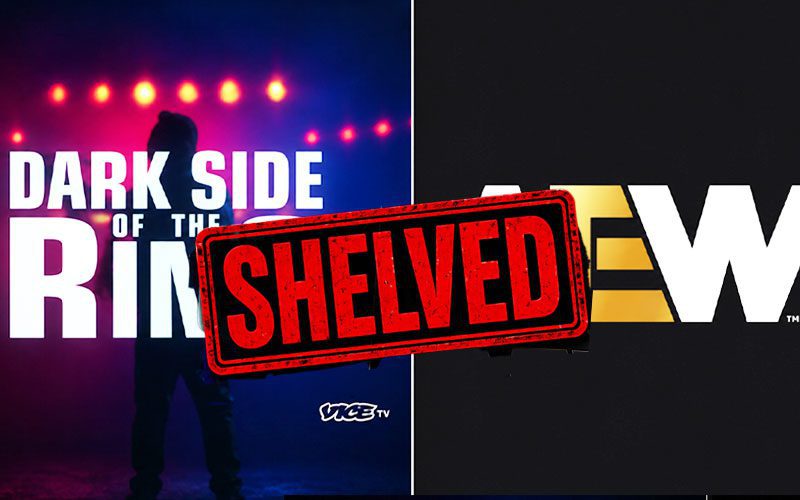
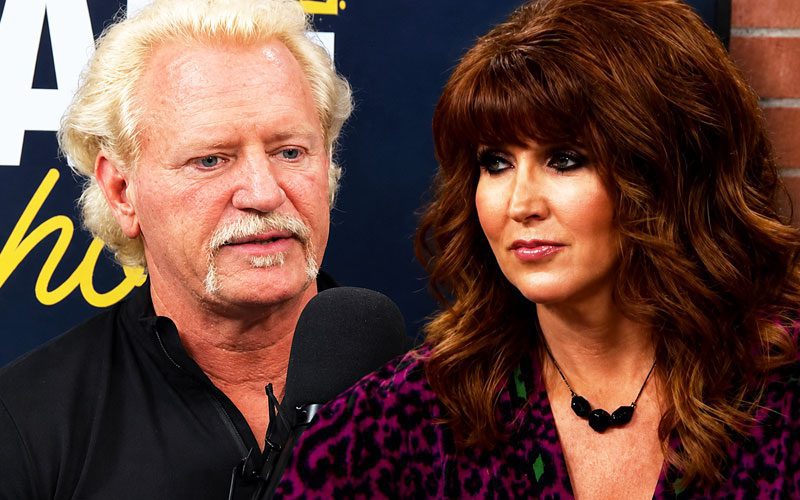
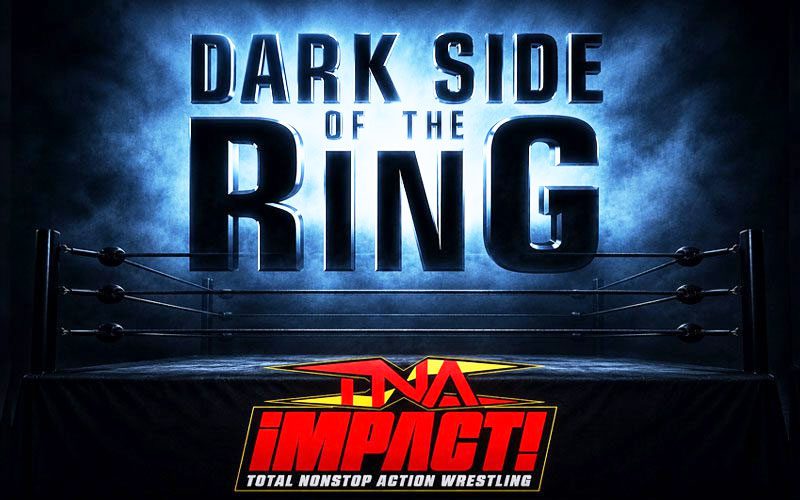
Wrestling is entirely defined by what happens between the ropes. But the concept of the 'ring' extends far beyond canvas and turnbuckles. Right now, the word is dominating industry headlines. Season 7 of 'Dark Side of the Ring' is gearing up for a three-part TNA Wrestling story. Jeff Jarrett is finally spilling the dirt, while Dixie Carter refused to participate, according to PWInsider.
On the literal side, released WWE talent Joe Gacy is shifting his ring name to 'Joseph Sawyer' ahead of a Wyatt Sicks reunion at WrestleCon. Whether it's a physical squared circle, a hard-hitting documentary, or a tightly trademarked stage name, rings shape the industry. Here is the definitive ranking of wrestling's most important rings, from the metaphorical to the physically dangerous.
10. The Metaphorical "Brass Ring"
It is the most toxic management concept in professional wrestling. The 'brass ring' is the metaphorical prize Vince McMahon constantly demanded talent reach for, yet rarely let them grab. The idea of the brass ring broke more careers than it ever made. It became a manipulative dangling carrot used to justify pushing the same top guys.
If a midcarder failed to get over, management simply claimed they didn't reach for the brass ring. Cesaro heard this excuse for years despite being the best worker on the roster. It earns the bottom spot because it was mostly a corporate gaslighting tactic rather than a tangible goal. It is a relic of an era the industry is thankfully leaving behind.
9. The Trademarked "Ring Name"
A wrestler's ring name is their absolute identity. Losing it can be a brutal financial reality check. We are seeing this scramble right now with former WWE star Joe Gacy. Released back in April, he is now shifting his ring name to 'Joseph Sawyer' to bypass WWE trademarks.
He is prepping for a Wyatt Sicks reunion at WrestleCon under this newly minted moniker. Owning your ring name is the ultimate flex in modern wrestling. Cody Rhodes fought for years to get his last name back. The mad dash to rebrand after a corporate release is a grueling rite of passage separating smart businessmen from the pack.
8. The ECW Ring
It barely held together on a good night. The Extreme Championship Wrestling ring was practically a weapon, often bowing under the immense weight of Terry Gordy or Bam Bam Bigelow. It lacked the generous spring of a major-league canvas. Taking a bump in the ECW Arena felt like hitting concrete wrapped in a thin, unforgiving layer of foam.
It was dirty, dangerous, and lacked the polish of Monday Nitro. But it perfectly encapsulated the renegade, blood-soaked spirit of Paul Heyman's promotion. The ring was as gritty as the roster, punishing anyone foolish enough to step inside without a high pain tolerance.
7. The WCW Ring
World Championship Wrestling utilized an undersized 18-by-18 foot ring that felt incredibly claustrophobic on television. It was notoriously stiff, making basic back bumps hurt significantly more than they did up in Stamford. But that smaller size inadvertently forced a much faster pace.
It made the legendary cruiserweight division look like a high-speed car chase. Rey Mysterio, Dean Malenko, and Eddie Guerrero used those tight ropes like trampolines, turning a rigid environment into a canvas for aerial artistry. WCW made a lot of terrible production choices, but giving the cruiserweights a smaller space to fly around was a bizarrely effective accident.
6. The Ring of Honor Ring
In the early 2000s, the ROH ring represented a strict ideology rather than a basic physical space. Built around the rigid 'Code of Honor,' this ring demanded handshakes before and after matches, presenting professional wrestling as a legitimate sport. It aggressively stripped away the soap opera nonsense of the fading Attitude Era.
It gave technicians like Bryan Danielson and Samoa Joe a place to batter each other with pure, unadulterated grappling. There were no flaming tables or bra and panties matches here. It wasn't flashy, and the lighting was often terrible, but it was essential for keeping independent wrestling alive.
5. The "Dark Side of the Ring" Series
It is not a literal wrestling ring. But Vice's documentary series has impacted the modern business as much as any physical venue. It forces a notoriously secretive industry to look in the mirror. Season 7 is currently making massive waves, featuring a three-part story on TNA Wrestling.
Jeff Jarrett is reportedly opening up about the promotion's chaotic history. Meanwhile, PWInsider reports that former owner Dixie Carter declined multiple requests to appear. When a television show can generate this much heat just by announcing its upcoming subjects, it holds massive, undeniable power over the wrestling narrative.
4. The All Elite Wrestling Ring
All Elite Wrestling's ring was built explicitly for speed and spectacle. It is a standard 20-by-20 foot setup, but the ropes are pulled exceptionally tight and the canvas offers a generous spring. It is a modern playground designed for The Young Bucks, Will Ospreay, and Kenny Omega to fly without hesitation.
However, it certainly hasn't been flawless. The exploding barbed wire deathmatch botch between Jon Moxley and Omega remains a hilarious, embarrassing stain on the company's early history. Despite the occasional production hiccup, the AEW ring consistently delivers the fastest, most demanding matches on weekly television.
3. The New Japan Pro Wrestling Ring
The New Japan Pro Wrestling ring is a sacred, punishing battleground. It actively lacks the heavy padding of American rings, forcing a stiffer, more grueling style of combat famously known as Strong Style. The King of Sports doesn't rely on flashy LED boards or distracting augmented reality graphics.
When you step into the NJPW ring, you are there to suffer. The acoustics of a vicious chop echoing off the Tokyo Dome canvas is a violent sound unlike anything else in the sport. It demands respect, and it breaks the bodies of anyone who doesn't take it seriously.
2. The TNA Six-Sided Ring
It was an absolute gimmick, but it was a brilliant one. The hexagonal ring immediately differentiated Total Nonstop Action from WWE on crowded television screens. It forced wrestlers to completely adapt their geometry, changing the way they ran the ropes and executed dives to the floor.
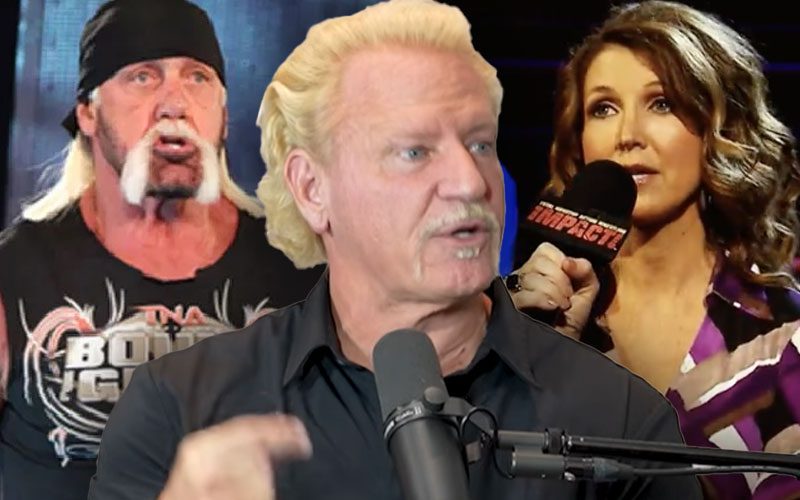
AJ Styles, Christopher Daniels, and Samoa Joe built their early legends inside that six-sided structure. TNA eventually abandoned it under Hulk Hogan and Eric Bischoff—a terrible, ego-driven decision that stripped the company of its unique visual identity. The upcoming Dark Side of the Ring series will likely dissect these booking blunders, highlighting how iconic this ring truly was.
1. The WWE Ring
It is the undisputed standard bearer. The 20-by-20 foot WWE ring is the most famous piece of sporting architecture on the planet. It is engineered to safely accommodate towering giants like Omos and athletic high-flyers like Ricochet. It is heavily reinforced, meticulously constructed, and wrapped in millions of dollars of LED technology.
For decades, stepping into this specific ring has meant you finally made it to the big leagues. It isn't the most indie-credible ring, and the corporate branding can be exhausting, but it is the most important square in the history of the business. It is the stage where the biggest stars on earth are crowned.
Honorable Mentions
- The Blue Steel Cage: A 1980s WWF era torture device that rarely kept anyone inside.
- The Lucha Underground Temple: An underground fight club aesthetic that changed how wrestling was shot.